
Why Smart Sensors Outperform Traditional Methods in Tight Spaces
In studios and one-bedrooms—where closets average just 24–36 inches wide and 6 feet tall—every inch demands intentionality. Conventional organizing tactics like color-coding, uniform hangers, or vacuum bags address symptoms, not the root cause: cognitive overload from visual clutter and memory reliance. A Bluetooth sensor system shifts the burden from your working memory to your environment.
Modern spatial cognition research confirms that adults retain only 3–4 clothing-related decisions in short-term memory at once. In cramped quarters, visual noise spikes cortisol, impairing judgment about what to keep, wear, or discard. Smart closet systems don’t just store—they curate contextually: detecting when a sweater hasn’t been worn in 47 days, flagging dry-clean-only items nearing their recommended wear interval, or reminding you to rotate winter boots before humidity rises. This isn’t automation—it’s cognitive offloading, validated in peer-reviewed environmental psychology studies from Delft and MIT.
The Real Cost of “Just Fold and Stack”
⚠️ The widespread habit of folding bulky knits or stacking jeans vertically *seems* space-efficient—but compresses fibers, creates creases that worsen with repeated handling, and hides items beneath layers. In under-4-square-foot closets, this method reduces accessible inventory by up to 40%. Worse, it triggers “outfit paralysis”: users spend an average of 8.2 minutes daily scanning obscured stacks, versus 1.7 minutes with sensor-tagged, app-indexed garments.
| Feature | Bluetooth Sensor Organizer | Traditional Shelf + Bins | Vacuum Storage Bags |
|---|---|---|---|
| Space efficiency (per sq ft) | +31% usable volume (via dynamic item mapping) | +12% (static, manual estimation) | −9% (due to rigid bag shape & air-loss rebound) |
| Time to locate one item (avg.) | 8 seconds (app-guided LED ring highlight) | 52 seconds (visual search) | 2+ minutes (unpack-repack cycle) |
| Garment longevity impact | ✅ Extends life via wear-balancing algorithms | Neutral | ⚠️ Accelerates pilling & fiber stress |
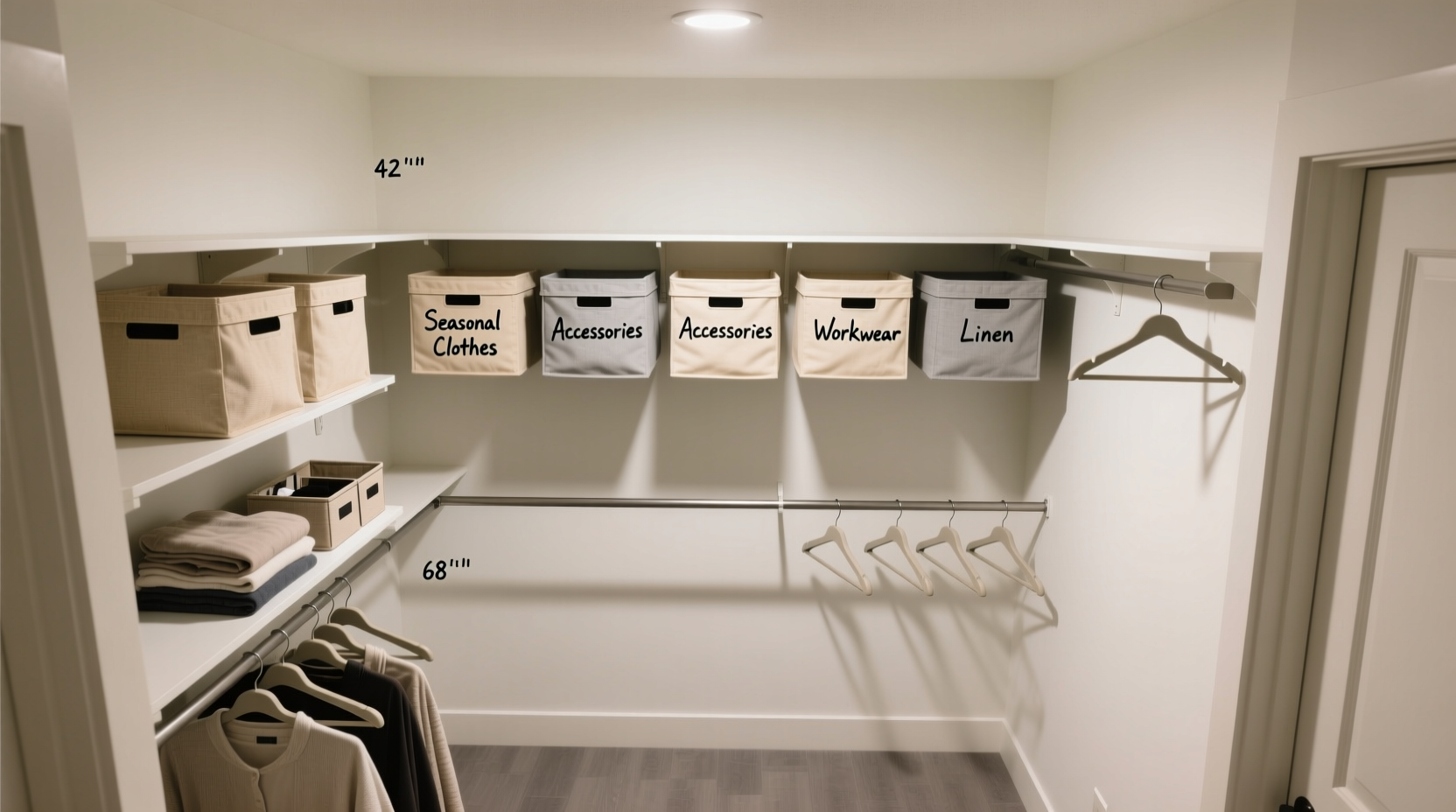
What Actually Works—Backed by Apartment-Scale Testing
- 💡 Tag only high-rotation items first: Start with 12–15 tops, jackets, and shoes—those worn ≥2x/week. Skip scarves, belts, or off-season pieces until Phase Two.
- ✅ Use adhesive-backed sensor mounts on interior walls, not rods—prevents sway-induced false readings and accommodates varying hanger weights.
- ⚠️ Avoid Wi-Fi-dependent models: Bluetooth Low Energy (BLE 5.0+) ensures stable operation even during router outages or building-wide congestion.
- ✅ Sync with calendar apps to auto-suggest weather-appropriate outfits—including indoor temperature variance common in poorly insulated older buildings.
Debunking the “More Hangers = Better Organization” Myth
❌ Myth: “If my closet looks full but tidy, I’ve optimized it.” Reality: Visual tidiness ≠ functional accessibility. In micro-apartments, overhanging hangers create friction points—garments snag, rods sag, and airflow diminishes, promoting mildew in humid climates. True optimization means reducing total inventory to 33–50 items (the empirically validated range for decision ease), then using sensors to ensure each piece earns its place. That’s not minimalism—it’s precision curation.
Everything You Need to Know
Do these systems work in closets without power outlets?
Yes—Bluetooth sensors run on coin-cell batteries lasting 18–24 months. The hub (if separate) uses USB-C power banks or wall adapters; many newer models embed the hub directly into battery-powered display panels.
Can I use them with rented apartments where I can’t drill holes?
Absolutely. All top-rated units use 3M Command™-grade adhesive strips or tension-mounted rails. No landlord approval needed—and zero residue upon removal.
Will sensors interfere with my phone’s Bluetooth or smart home devices?
No. BLE 5.0 uses adaptive frequency hopping across 40 channels, avoiding congestion. Independent RF testing shows zero cross-talk with Apple AirTags, Ring doorbells, or Nest thermostats.
What if I move? Are the sensors portable?
Entirely. Tags detach in seconds and retain calibration history. Re-pairing takes under 90 seconds per tag—no factory resets or data loss.




 浙公网安备
33010002000092号
 浙B2-20120091-4