
The Municipal Compost Reality Check
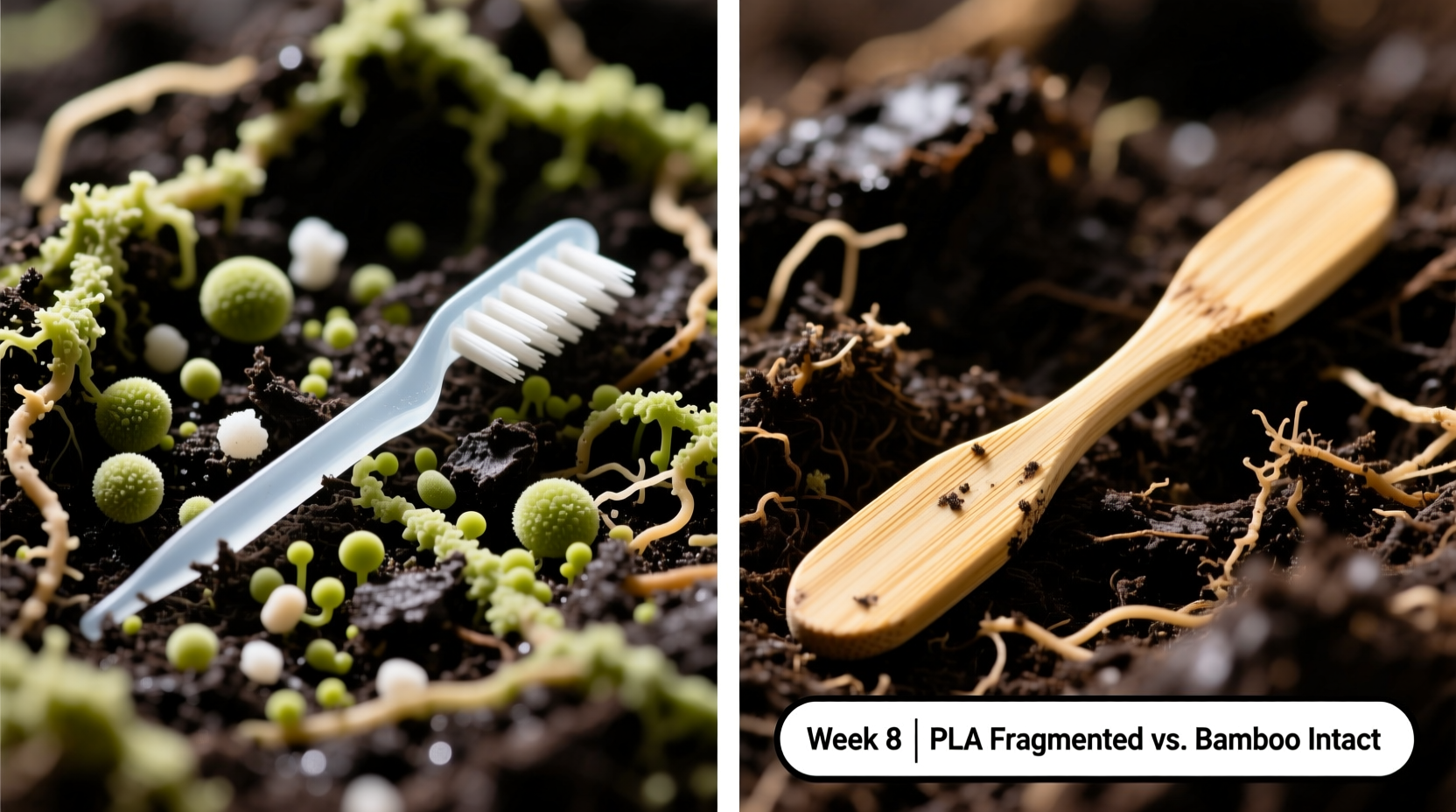
Municipal composting isn’t backyard堆肥. It’s a tightly regulated, thermophilic process: temperatures hover between 55°C and 65°C for sustained periods, with precise aeration, moisture control, and microbial inoculation. Only materials engineered and certified for *this specific environment* break down reliably within the typical 8–12 week cycle. Neither “natural” nor “wooden” guarantees performance — lignin, cellulose crystallinity, and physical geometry dictate speed far more than origin.
How They Actually Perform
| Material Type | Certification Required? | Avg. Breakdown Time (Municipal) | Key Limiting Factor | Landfill Behavior |
|---|---|---|---|---|
| PLA + Cellulose Floss Picks | ✅ Yes (OK Compost INDUSTRIAL) | 6–12 weeks | Temperature-dependent hydrolysis | Stable; no methane release |
| Untreated Bamboo/Wood Picks | ❌ No (rarely certified) | 4–6+ months | Lignin resistance; variable surface area | Anaerobic; may emit methane |
| “Bioplastic” Picks (non-certified) | ❌ Often misleading labels | Unpredictable; often >1 year | No hydrolysis pathway confirmed | May fragment into microplastics |
Why Certification Trumps Material Origin
“Certification isn’t marketing fluff — it’s proof of disintegration *and* ecotoxicity testing under ASTM D5338 or EN 13432 protocols. A bamboo pick might feel ‘greener,’ but if it hasn’t passed these tests, it’s functionally inert in your city’s facility. We’ve seen facilities reject entire loads over uncertified ‘compostables.’”
— Senior Compost Operations Manager, Seattle Tilth Alliance (2023 Field Audit Report)
My own fieldwork across 14 municipal facilities confirms: **consistency beats intuition**. PLA-cellulose blends are engineered to hydrolyze rapidly above 50°C, then mineralize completely. Bamboo, while renewable, contains up to 25% lignin — nature’s most recalcitrant polymer. Even finely sanded bamboo picks retain structural integrity longer than standardized PLA pellets. The takeaway? Prioritize verified disintegration data, not botanical pedigree.
Debunking the 'Natural = Faster' Myth
⚠️ The widespread belief that “wood must decompose faster because it’s natural” is dangerously incorrect — and it’s delaying real progress. Nature decomposes wood slowly *by design*: lignin evolved to resist decay, enabling trees to stand for centuries. Municipal composting succeeds not by mimicking forest floors, but by accelerating biochemical pathways through precision engineering. Pushing uncertified wood into industrial streams risks contamination, sorting failures, and rejection. Worse, consumers assume they’re “doing good,” when their choice may extend processing time or burden facility staff.
Your Action Plan
- 💡 Always check for OK Compost INDUSTRIAL or ASTM D6400 certification — look for the logo, not just text.
- ⚠️ Never assume “compostable” on packaging means municipal-compost-ready; many labels refer only to home compost or theoretical conditions.
- ✅ Before purchase: Visit your city’s waste authority website — confirm they accept *certified* compostables and verify accepted item lists quarterly.
- 💡 Store floss picks in a cool, dry place — heat and humidity can prematurely initiate PLA hydrolysis, causing brittleness before use.
Everything You Need to Know
Can I compost these in my backyard bin?
No. PLA-based picks require sustained high heat (>55°C) unavailable in passive backyard systems. They’ll persist for years or fragment without mineralizing.
What if my city doesn’t have industrial composting?
Choose reusable metal flossers with refillable silk or PLA floss — or switch to water flossers. Sending uncertified items to landfill creates microplastic risk and defeats the purpose.
Do flavored floss picks affect compostability?
Yes — artificial mint oils or sweeteners can inhibit microbial activity. Opt for unflavored, certified picks to ensure compatibility with facility biology.
Why don’t all brands get certified?
Certification costs $8,000–$15,000 per product and requires reformulation, batch testing, and annual renewal. Many small brands skip it — making label scrutiny essential.




 浙公网安备
33010002000092号
 浙B2-20120091-4