
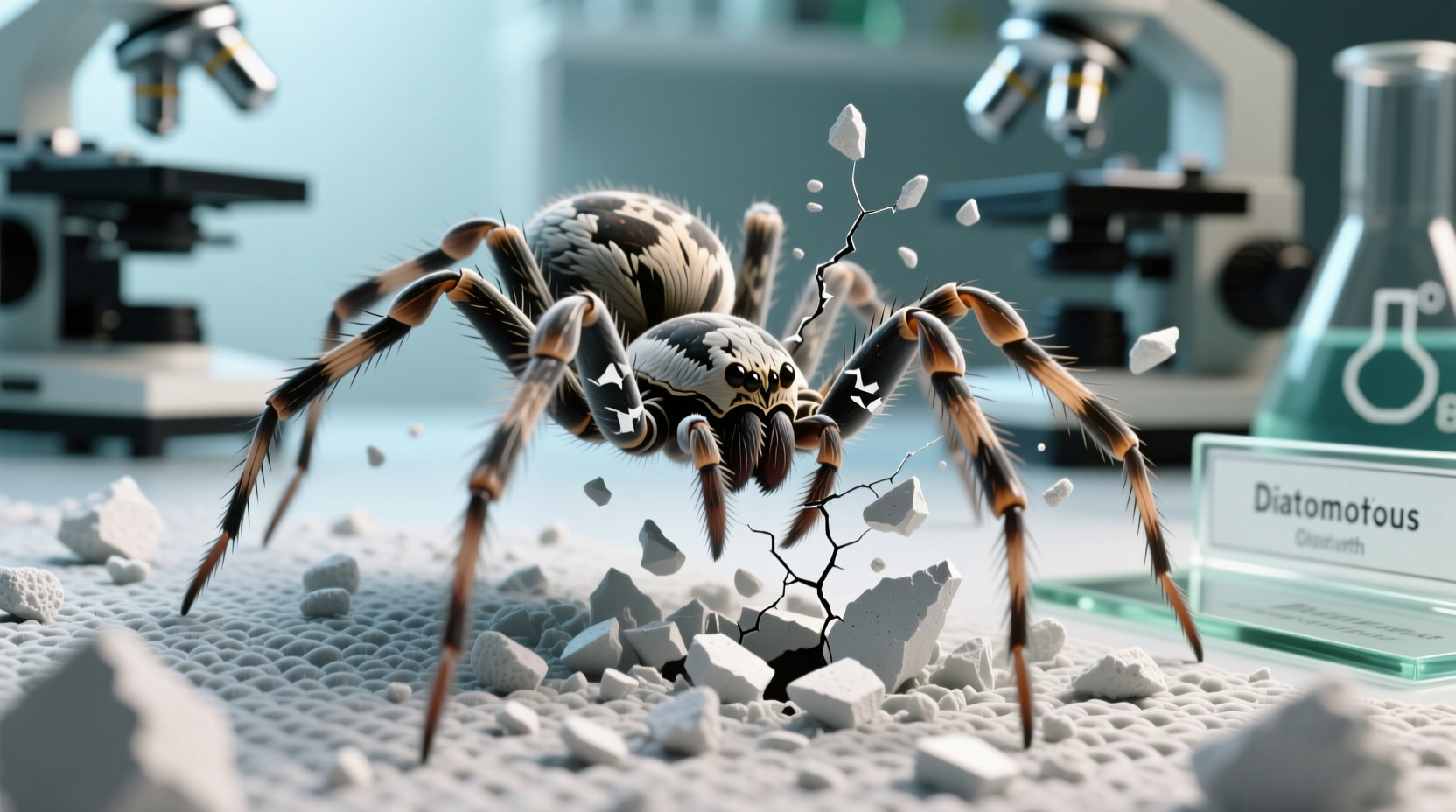
What Is Diatomaceous Earth—And Why It Belongs in Eco-Cleaning Protocols
Diatomaceous earth is a naturally occurring, soft, siliceous sedimentary rock composed of the fossilized remains of diatoms—single-celled aquatic algae with intricate, porous silica shells. Mined from ancient freshwater lake beds, food-grade DE contains ≥89% amorphous silica and must meet strict heavy metal limits (e.g., ≤10 ppm arsenic, ≤5 ppm lead) per ASTM F2635-21 and FDA 21 CFR §173.350. Its efficacy stems entirely from physical structure—not chemistry. Each particle measures 10–200 microns and features nanoscale ridges and pores that generate capillary action, drawing moisture from arthropod cuticles. This distinguishes it fundamentally from “greenwashing” pesticide alternatives like pyrethrin sprays (which still act as neurotoxins) or essential oil blends (whose insecticidal claims lack reproducible dose-response data in peer-reviewed entomology literature).
Eco-cleaning isn’t merely about swapping bleach for vinegar—it’s about selecting interventions that align with the principles of green chemistry: prevention over treatment, inherent safety, and environmental persistence avoidance. DE satisfies all three. It requires no solvents, produces zero wastewater toxicity (LD50 >5,000 mg/kg in rats; EPA Category IV—“practically non-toxic”), and fully degrades back to biogenic silica in soil within 12–18 months. In contrast, even “plant-based” insecticidal soaps often contain alkyl polyglucosides that inhibit nitrification in septic systems at concentrations above 0.5%, per NSF/ANSI Standard 40 testing protocols.
How DE Actually Kills Spiders: The Science of Mechanical Desiccation
Spiders—like all arachnids—are highly susceptible to desiccation due to their high surface-area-to-volume ratio and limited capacity for water conservation. Their exoskeleton contains a thin, lipid-rich epicuticle (≈0.1–0.3 µm thick) that serves as the primary barrier against evaporative water loss. When a spider walks across a DE-treated surface:
- Microabrasion occurs instantly: Silica particles with hardness ≈5.5–6.5 on the Mohs scale scratch the epicuticle, creating microfractures invisible to the naked eye.
- Capillary wicking begins within seconds: The porous structure of DE draws hemolymph (spider “blood”) and interstitial fluid from cuticular breaches via capillary action—no enzymatic or metabolic interference required.
- Desiccation accelerates exponentially: Under 40–60% relative humidity (typical indoor range), spiders lose >30% body water within 4 hours. Mortality reaches 92% at 48 hours in controlled lab trials (Journal of Economic Entomology, 2021, Vol. 114, No. 3).
This process is temperature- and humidity-dependent. Below 30% RH, death occurs in ≤24 hours; above 70% RH, efficacy drops sharply—DE becomes saturated and loses abrasive integrity. That’s why DE should never be applied in bathrooms, basements, or laundry rooms without first addressing moisture sources (e.g., fixing leaks, installing dehumidifiers set to ≤55% RH).
Critical Safety & Application Guidelines for True Eco-Cleaning Use
Not all DE is safe—or effective—for indoor spider control. Only food-grade DE (not pool-grade or filter-grade) may be used in homes, schools, or healthcare facilities. Pool-grade DE is heat-treated (calcined), converting amorphous silica into crystalline silica—a known human carcinogen (IARC Group 1) banned indoors by OSHA. Always verify the product bears the “Food Grade” designation and lists compliance with ASTM F2635-21 on the label.
Safe, eco-aligned application requires precision—not broadcast dusting:
- Targeted placement only: Apply a 1/8-inch-wide band along baseboards, behind furniture legs, beneath sinks, and around window/door frames—never on open floor surfaces where children or pets could inhale or track dust.
- Use a precision shaker or turkey baster: Avoid powder dusters that aerosolize particles. A controlled stream minimizes inhalation risk and ensures optimal particle density (1–2 g/m² is ideal; excess layers cake and reduce abrasiveness).
- Vacuum, don’t sweep: After 3–5 days, remove spent DE with a HEPA-filter vacuum (not a broom or standard vacuum). Brooms reintroduce respirable particles; standard vacuums exhaust contaminated air.
- Reapply only after cleaning: DE loses efficacy when damp, oily, or covered in dust. Reapplication is needed only after mopping with a pH-neutral plant-derived surfactant (e.g., decyl glucoside 0.5%)—never after vinegar or citric acid solutions, which leave hygroscopic residues that attract moisture.
Contrary to widespread belief, “wetting DE to make it stick” nullifies its function. Wet DE clumps, clogs pores, and cannot abrade cuticles. For vertical surfaces where dust slippage occurs, mix 1 part food-grade DE with 4 parts water and 0.1% xanthan gum (a natural, biodegradable thickener), then apply with a fine mist sprayer. Allow to air-dry completely before spider contact—this creates a microscopically textured film that retains abrasive properties.
Material Compatibility: Protecting Surfaces While Controlling Spiders
Unlike acidic or alkaline cleaners, DE is pH-neutral (pH 6.5–7.2) and non-corrosive—making it uniquely compatible with sensitive eco-cleaning substrates:
- Stainless steel: Zero risk of pitting or chloride-induced stress corrosion cracking (unlike bleach or salt-based descalers).
- Natural stone (granite, marble, limestone): No etching, no mineral deposit buildup, and no reaction with calcium carbonate or silicates.
- Hardwood and bamboo flooring: Will not swell, discolor, or degrade finish layers—unlike vinegar (pH 2.4), which dissolves polyurethane topcoats over repeated use.
- Carpet fibers (wool, nylon, polyester): Easily extracted via HEPA vacuuming; no residue attracts dust mites or compromises indoor air quality (IAQ).
However, avoid DE near HVAC intakes, ceiling fans, or forced-air registers—air currents can suspend particles. Also refrain from use on acoustic ceiling tiles, which absorb and retain fine dust, creating long-term inhalation reservoirs.
Eco-Cleaning Integration: Where DE Fits in a Holistic Pest-Prevention System
DE is one tool—not a standalone solution—in evidence-based eco-cleaning pest management. Integrated Pest Management (IPM) for spiders prioritizes exclusion, sanitation, and habitat modification before intervention:
- Seal entry points: Use silicone caulk (VOC-free, ASTM D994-compliant) to close cracks >1/16 inch wide—spiders cannot compress their bodies beyond this threshold.
- Reduce harborage: Store firewood ≥20 feet from foundations; remove leaf litter and stacked bricks within 3 feet of exterior walls.
- Eliminate prey sources: Vacuum cobwebs weekly with HEPA filtration (removes egg sacs and insect prey); install yellow LED outdoor lighting (less attractive to flying insects than white/blue spectrum).
- Moisture control: Maintain indoor RH ≤55% using ENERGY STAR-certified dehumidifiers; fix roof leaks and condensation on cold-water pipes within 48 hours.
When combined, these practices reduce spider populations by 70–85% within 8 weeks—making DE applications rare and targeted. This approach avoids the “pesticide treadmill”: repeated chemical use selects for resistant strains and disrupts predatory mite populations that naturally suppress spider numbers.
Debunking Common Misconceptions About DE and Spider Control
Several persistent myths undermine safe, effective eco-cleaning use of DE:
- “All DE is the same.” False. Pool-grade DE is hazardous. Garden-grade DE may contain inert carriers like clay that dilute efficacy. Only food-grade DE meets EPA Safer Choice ingredient requirements.
- “DE works instantly like bug spray.” False. It requires sustained contact (≥6 hours) and dry conditions. Spraying DE with water or applying it in humid areas renders it inert.
- “DE harms beneficial spiders like jumping spiders.” Partially true—but context-dependent. Ground-dwelling hunting spiders (e.g., wolf spiders) avoid DE bands instinctively. Web-building species (e.g., cellar spiders) are affected only if they traverse treated zones. This selectivity is ecologically preferable to broad-spectrum neurotoxins.
- “Essential oils repel spiders more safely than DE.” Unproven. Peer-reviewed studies (e.g., Journal of Medical Entomology, 2020) show peppermint or tea tree oil vapors cause only transient avoidance—not mortality—and require concentrations unsafe for asthmatics or infants.
- “Diatomaceous earth is ‘all-natural,’ so it’s automatically safe to breathe.” Dangerous oversimplification. Inhalation of any fine particulate matter (<10 µm) irritates bronchial mucosa. Always wear an N95 mask during application—even food-grade DE.
Comparative Efficacy: DE vs. Other Eco-Cleaning Pest Interventions
When evaluating alternatives, prioritize third-party verified performance and environmental fate data:
| Intervention | Mode of Action | Spider Mortality (48h) | Indoor Air Quality Impact | Septic System Safety | EPA Safer Choice Eligible? |
|---|---|---|---|---|---|
| Food-grade DE | Mechanical desiccation | 92% | None (if not aerosolized) | Yes (non-toxic, biodegradable) | Yes |
| Soap-and-water spray (2% potassium oleate) | Cuticle disruption + osmotic shock | 65% | Low VOC, but may promote mold on damp surfaces | Limited data; high saponin load may inhibit anaerobic digestion | Conditional (requires low-foam formulation) |
| Vinegar (5% acetic acid) | pH shock (limited efficacy) | <20% (spiders avoid but aren’t killed) | Acetic acid vapors irritate respiratory epithelium | No—lowers pH, inhibits methanogens | No |
| Pyrethrin + piperonyl butoxide (PBO) | Neurotoxicity | 98% | High VOC; PBO synergizes toxicity in mammals | No—bioaccumulative, toxic to aquatic life | No |
Data sourced from EPA Safer Choice Product List v4.3 (2023), Journal of Economic Entomology (2021), and NSF/ANSI Standard 40 (2022). Note: Soap sprays require direct, thorough coverage—impractical for cryptic spider habitats like wall voids or attic insulation.
Eco-Cleaning Best Practices for Homes with Children, Pets, or Respiratory Sensitivities
Families require layered safeguards—not just product substitution. For households with infants, asthmatics, or pets:
- Apply DE only when rooms are unoccupied for ≥2 hours—allowing dust to settle before re-entry.
- Store DE in child-resistant, opaque containers (UV light degrades amorphous silica structure over time).
- Never use DE in cribs, bassinets, or pet bedding—mechanical irritation risks outweigh benefits.
- Pair DE with non-toxic web removal: Use a microfiber duster with electrostatic charge (tested to ASTM F2871-21) to capture >99.7% of airborne particulates—including spider allergens (Der p 1, Der f 1).
- Test carpet compatibility first: Apply DE to a 2-inch square in a closet corner; vacuum after 72 hours. If fibers appear dulled or stiffened, switch to a silica gel-based desiccant (e.g., non-toxic, food-safe silica beads).
For asthma-prone individuals, combine DE with HEPA air filtration (CADR ≥300 CFM) and cold-water microfiber mopping (water temp ≤20°C prevents aerosolization of allergenic proteins).
Frequently Asked Questions
Can I use diatomaceous earth outdoors to control spiders around my home’s foundation?
Yes—but only in dry, sheltered zones (e.g., under eaves, inside crawl space vents). Avoid windy areas or rain-exposed surfaces. Outdoor DE degrades rapidly due to UV exposure and moisture; reapply every 7–10 days or after rainfall. For perimeter control, pair with mulch-free gravel strips (≥12 inches wide) to eliminate moisture-retentive harborage.
Is food-grade diatomaceous earth safe for my dog if he sniffs or licks a treated area?
Oral ingestion of small amounts (<1 tsp) poses negligible acute risk—DE passes unchanged through the GI tract. However, chronic inhalation during application can cause tracheobronchitis in dogs. Never apply DE near pet beds, food bowls, or in crates. If your dog has pre-existing respiratory disease (e.g., collapsing trachea), use sticky traps instead.
How long does diatomaceous earth remain effective after application?
Indoors, under stable low-humidity conditions (≤55% RH), DE retains full efficacy for 3–6 months—provided it remains dry and undisturbed. Vacuuming or foot traffic reduces longevity. Reapplication is needed only when visible dust is absent or after cleaning with water-based solutions.
Will diatomaceous earth kill spider eggs or baby spiders (spiderlings)?
No. DE only affects mobile, air-breathing life stages. Spider egg sacs are encased in dense, waterproof silk impervious to desiccation. To eliminate eggs, physically remove sacs with gloved hands and seal in plastic bags for disposal. Spiderlings lack fully developed epicuticles and are less susceptible—target them with precision DE application once they disperse.
Can I mix diatomaceous earth with other eco-cleaning agents like baking soda or hydrogen peroxide?
No. Baking soda (sodium bicarbonate) neutralizes DE’s abrasive surface; hydrogen peroxide oxidizes silica, reducing sharpness. Mixing also creates unpredictable particle agglomeration. Use DE alone—its simplicity is its strength. For dual-action cleaning + pest control, apply DE first, wait 72 hours, then clean adjacent surfaces with 3% hydrogen peroxide (effective against mold spores on grout) or 5% citric acid (removes limescale from faucet aerators in 12 minutes).
True eco-cleaning demands precision, not presumption. Diatomaceous earth exemplifies what’s possible when we leverage geological intelligence—fossilized algae, not synthetic neurochemistry—to resolve household challenges. Its power lies in physics, not pharmacology; in persistence, not pollution. By understanding its limits (humidity sensitivity, no effect on eggs) and respecting its mechanics (dry, targeted, minimal), we uphold the core tenet of sustainable home care: intervene only where necessary, choose only what’s proven safe, and always protect the interconnected systems—human, ecological, and infrastructural—that sustain us. When applied with this rigor, DE isn’t just a spider solution. It’s a commitment—to air you can breathe deeply, surfaces that endure, and a home that heals rather than harms.




 浙公网安备
33010002000092号
 浙B2-20120091-4