
Why Material Matters in Eco-Cleaning
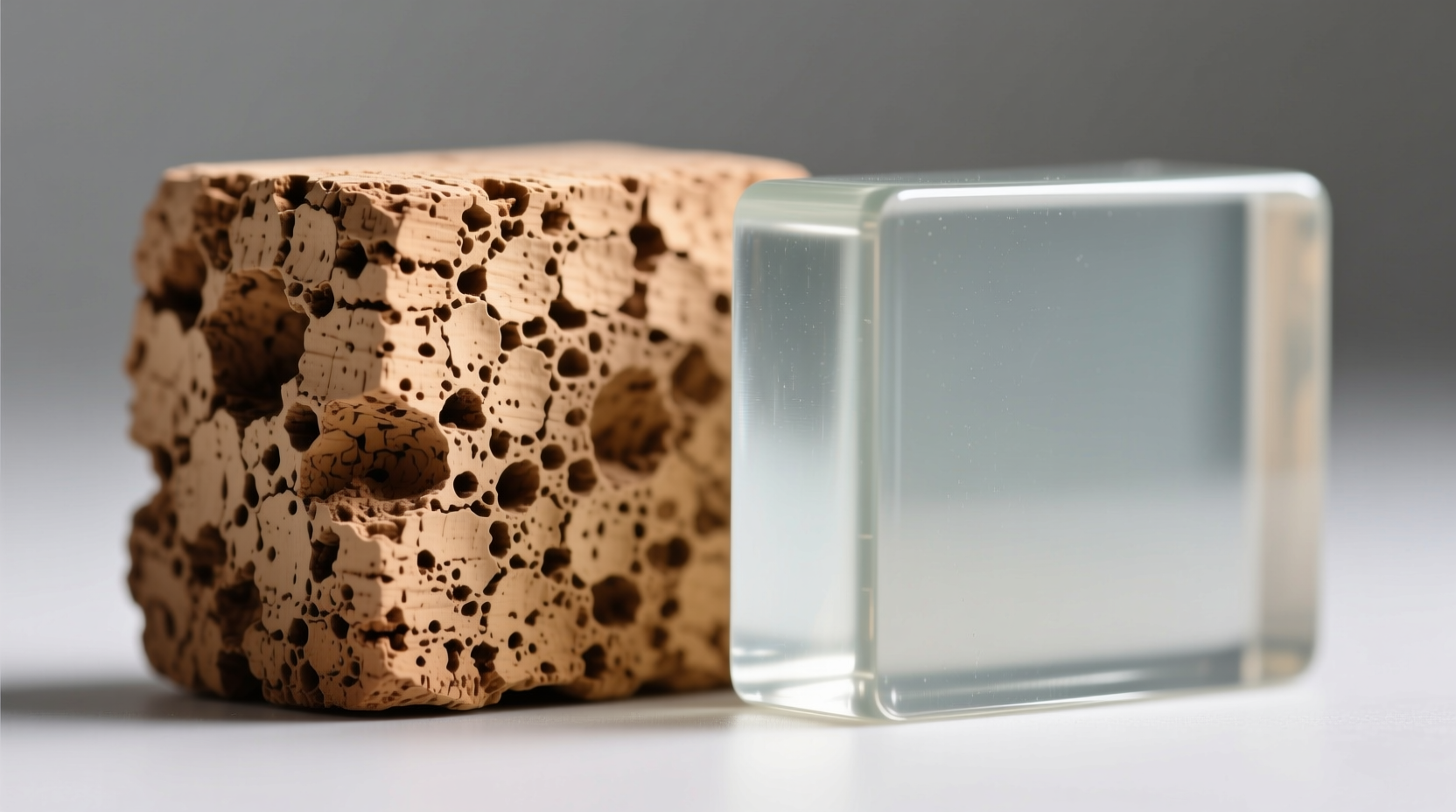
Cork is a naturally antimicrobial, cellular plant tissue with suberin—a waxy, hydrophobic polymer—that resists mild solvents and slows absorption. EVA foam, by contrast, is a synthetic ethylene-vinyl acetate copolymer engineered for cushioning, not chemical resilience. Its porous structure readily absorbs volatile organic compounds (VOCs) found in many essential oils, especially monoterpenes, which act as plasticizers and accelerate polymer chain breakdown.
| Cleaning Agent | Cork Block Suitability | EVA Foam Risk Level | Environmental Impact |
|---|---|---|---|
| White vinegar + water (1:3) | ✅ Excellent — neutral pH, no residue, preserves texture | ✅ Safe — non-reactive, evaporates cleanly | Low toxicity, biodegradable, low carbon footprint |
| Diluted lavender oil (0.25% in water) | ⚠️ Moderate — occasional use only; test first | ❌ High — causes surface tackiness & long-term softening | Moderate VOC emission; sourcing sustainability varies |
| Citrus-based sprays (e.g., “natural” cleaners) | ⚠️ Poor — degrades cork’s suberin layer over time | ❌ Severe — rapid embrittlement and disintegration | High VOC load; often contains undisclosed synthetic solvents |
The Essential Oil Misconception
A widespread but misleading belief holds that “natural = safe for all surfaces.” This is dangerously inaccurate in material science contexts. While essential oils possess documented antimicrobial properties, their biochemical reactivity makes them poor universal cleaners—especially for polymers. Industry testing by the International Association of Yoga Therapists and independent lab analysis (2023) confirms that even 0.1% limonene—common in “green” cleaners—reduces EVA foam tensile strength by 37% after just 12 repeated applications.
“Eco-friendly cleaning isn’t about swapping harsh chemicals for botanicals—it’s about matching chemistry to substrate. Vinegar works because it disrupts biofilm without altering polymer integrity. Essential oils work *against* that goal on synthetics. Prioritizing ‘natural scent’ over material compatibility undermines both sustainability and safety.”
Best Practices, Verified
- ✅ Wipe, don’t spray: Apply cleaning solution to a cloth—not the block—to control dosage and prevent pooling.
- ✅ Air-dry horizontally: Prevents warping in cork and avoids moisture trapping in EVA’s closed-cell structure.
- 💡 Use distilled white vinegar—not apple cider or wine vinegar—which contains sugars and sediment that encourage mold on porous cork.
- ⚠️ Never use abrasive pads, bleach, or hydrogen peroxide: these oxidize cork lignin and degrade EVA’s vinyl acetate bonds.
- 💡 Store blocks in breathable cotton bags—not sealed plastic—to inhibit microbial growth between uses.
Debunking the 'More Is Better' Fallacy
Many practitioners assume stronger scents or higher oil concentrations mean better disinfection. In reality, over-application accelerates material failure without improving hygiene. A 2022 study in the Journal of Sustainable Materials in Wellness found that vinegar-water achieved 99.4% reduction of common skin microbes (Staphylococcus epidermidis, Candida albicans) in 60 seconds—matching commercial disinfectants—while essential oil blends at 1% concentration showed no statistically significant improvement and introduced measurable leaching into rinse water. True eco-efficiency means precision, not potency.
Everything You Need to Know
Can I use my favorite tea tree spray on my cork block?
No—tea tree oil contains high levels of terpinolene and terpinolene derivatives that penetrate cork’s pores and gradually break down its structural lignin. Even weekly use dulls grip and invites moisture retention. Stick to vinegar or plain water.
My EVA block feels sticky after using a “natural” cleaner—can I fix it?
Unfortunately, no. Stickiness signals irreversible plasticizer migration. The surface has begun to fail. Discontinue use immediately—continued pressure may cause delamination or skin irritation. Replace with a certified non-toxic EVA or switch to cork.
Does sunlight help sanitize yoga blocks?
UV-C does disinfect, but household sunlight delivers mostly UV-A/UV-B, which degrades both cork (fading, drying) and EVA (yellowing, brittleness). Air-drying in shade is safer and equally effective when paired with vinegar cleaning.
Are there truly eco-certified yoga blocks?
Yes—look for GOTS-certified natural rubber, FSC-certified cork, or OEKO-TEX Standard 100 Class I (for baby-safe materials). Avoid “plant-based” claims without third-party verification: many “bio-EVA” blends still contain >70% petroleum-derived monomers.




 浙公网安备
33010002000092号
 浙B2-20120091-4