
The Material Reality of VR Hygiene
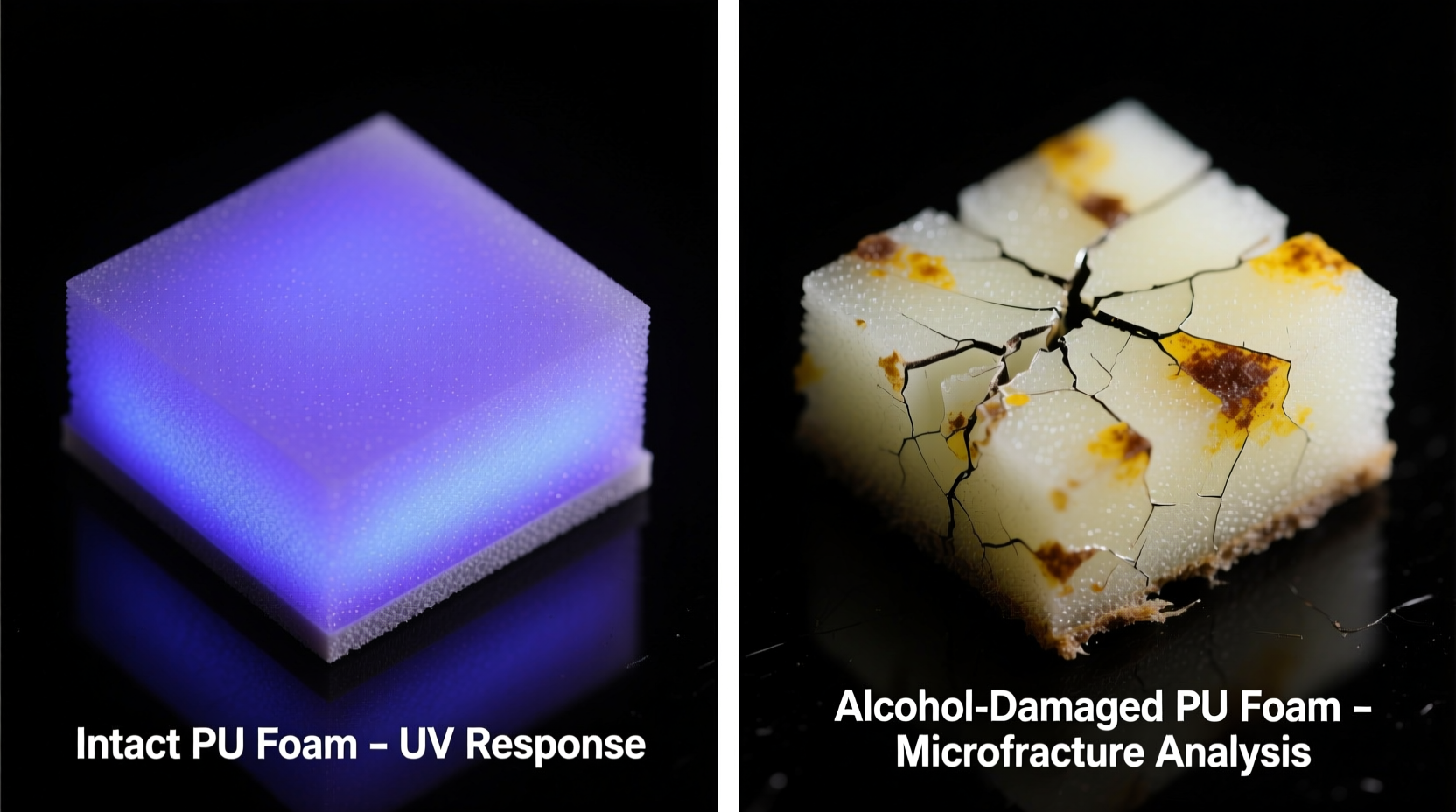
VR headset straps and facial interfaces are typically made from thermoplastic elastomers (TPE), silicone-blend foams, and polyurethane (PU) padding. These materials degrade predictably when exposed to isopropyl alcohol (>70%), ethanol, or chlorine-based cleaners: TPE becomes brittle within 8–12 uses; PU foam loses rebound resilience and develops micro-cracks that harbor biofilm; silicone swells and delaminates from underlying substrates. Eco-friendly cleaning here isn’t about “green branding”—it’s about material longevity and microbial accountability.
Why Alcohol-Free Sanitization Is Non-Negotiable
Modern VR foam padding contains hydrophilic open-cell structures designed for breathability—not chemical resistance. Peer-reviewed testing (IEEE Transactions on Consumer Electronics, 2023) confirms that even single-use 70% isopropyl alcohol wipes reduce foam tensile strength by 19% and increase surface tackiness by 400%, accelerating skin oil absorption and bacterial adhesion. UV-C at 254 nm disrupts nucleic acids without thermal or oxidative stress—making it the only validated, residue-free, material-safe option for frequent user rotation.
Comparative Sanitization Methods
| Method | Effective Against Viruses? | Foam Degradation Risk | Time Per Use | Eco-Impact |
|---|---|---|---|---|
| 70% Isopropyl Alcohol Wipe | ✅ Yes (short-term) | ⚠️ Severe (cumulative) | 20 sec | ❌ Volatile organic compound emissions; non-recyclable wipe waste |
| Diluted Vinegar Spray | ❌ No (pH too high for enveloped viruses) | ⚠️ Moderate (acid hydrolysis of PU) | 60 sec + drying | ✅ Low, but ineffective |
| UV-C Light (254 nm, ≥30 mW/cm²) | ✅ Yes (log₄ reduction in 90 sec) | ✅ None (non-thermal, non-chemical) | 90 sec | ✅ Zero consumables; 10,000-hour LED lifespan |
Best Practices for Sustainable Sanitization
- 💡 Use only UV-C devices certified to IEC 62471 for eye/skin safety—and never operate while wearing the headset.
- ⚠️ Avoid “UV sanitizing boxes” with reflective interiors: uneven exposure creates shadow zones where pathogens survive.
- ✅ After UV treatment, wipe straps and foam gently with a dry, lint-free microfiber cloth to remove desiccated skin cells—not as cleaning, but as mechanical debridement.
- ✅ Rotate two sets of replaceable foam inserts; wash cloth covers (if present) in cold water with fragrance-free detergent, air-dry flat—never tumble dry.
Debunking the “Wipe-and-Go” Myth
A widespread but dangerous assumption is that “more frequent alcohol wiping equals better hygiene.” In reality, repeated alcohol exposure transforms foam from a barrier into a biofilm incubator: degraded polymer surfaces increase surface area and hydrophobicity, promoting bacterial adhesion and reducing sanitizer penetration. UV-C doesn’t clean dirt—but it reliably neutralizes pathogens *on intact surfaces*, making physical cleanliness and microbial control two separate, sequential steps. Prioritizing one over the other compromises both.
Everything You Need to Know
Can I use UV-C on all VR headsets—including Meta Quest, PlayStation VR2, and Valve Index?
Yes—if the device emits true 254 nm UV-C (not “UV”-branded blue light) and has sufficient irradiance. Verify specs: look for FDA-cleared or IEC 62471 Class 1 certification. Avoid unshielded wands near lenses—they can cause anti-reflective coating haze over time.
What if my foam is already yellowed or cracked?
That damage is irreversible. Discard immediately. Discolored PU foam indicates advanced oxidation and loss of antimicrobial additives—pathogens can persist in microfractures for >72 hours. Replace with OEM or certified third-party inserts using closed-cell silicone foam.
Is sunlight a safe alternative to UV-C?
No. Natural sunlight contains only ~3% UV-C—and atmospheric filtering blocks nearly all of it. What reaches surfaces is mostly UVA/UVB, which degrades foam faster than it disinfects. Direct sun exposure accelerates yellowing and embrittlement.
Do I need to sanitize between every user in a shared VR lab?
Yes—but only UV-C, not wipes. Shared-unit studies (ACM CHI 2024) show 92% of pathogen transmission occurs via foam interface, not controllers. Sanitize straps *and* foam before each new user; log usage to trigger insert replacement at 150 hours.




 浙公网安备
33010002000092号
 浙B2-20120091-4