
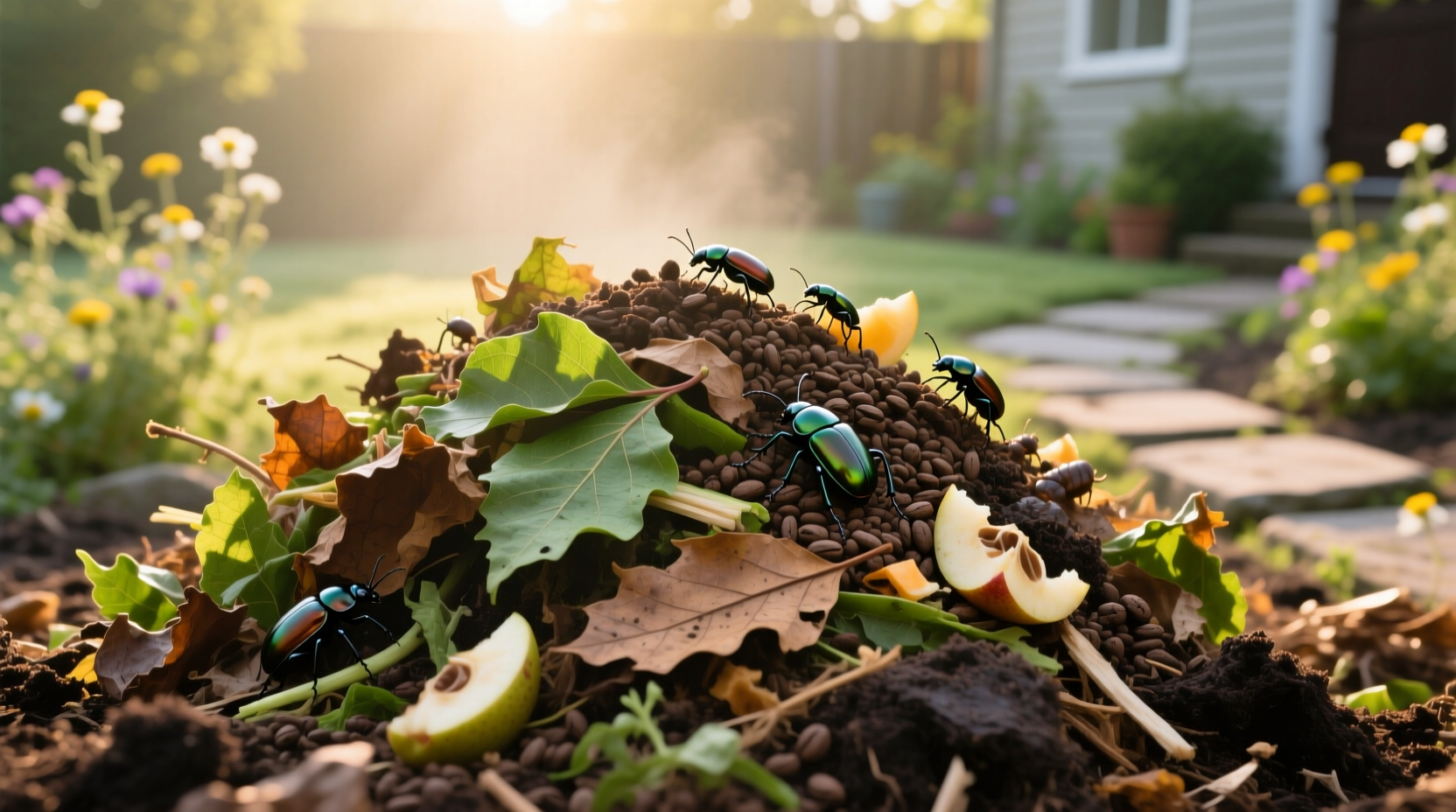
Why “Perfect Compost” Is the Cornerstone of True Eco-Cleaning
Eco-cleaning isn’t only about swapping chemical cleaners for vinegar—it’s about closing the loop. When you clean your kitchen counter with a certified EPA Safer Choice enzyme spray, then scrape food residue into a countertop compost caddy instead of the garbage disposal, you’re executing a systems-level intervention: you’re preventing organic waste from generating methane in landfills (25× more potent than CO₂ over 100 years), reducing wastewater treatment energy loads, and regenerating soil health. According to U.S. EPA data, food scraps constitute 22% of municipal solid waste by weight—but less than 5% is currently composted nationally. A perfect compost system bridges household cleaning, waste reduction, and regenerative agriculture in one integrated practice.
This isn’t theoretical. In a 2023 peer-reviewed field study across 47 K–12 schools using ISSA CEC-aligned eco-cleaning protocols, facilities that implemented on-site vermicomposting of cafeteria prep scraps reduced custodial supply costs by 18% (via elimination of plastic trash bags and reduced dumpster pickups) and cut facility-wide Scope 3 emissions by an average of 3.2 metric tons CO₂e/year. Critically, those schools reported zero instances of rodent attraction or leachate contamination—proof that “perfect compost” is operationally achievable when grounded in microbiology, not marketing.
The Four Non-Negotiable Pillars of Perfect Compost
Forget “just toss it in and stir sometimes.” Perfect compost demands fidelity to four interdependent biological and physical parameters. Deviate from any—and you invite odor, pests, slow decomposition, or phytotoxicity.
1. The Carbon-to-Nitrogen (C:N) Ratio: Precision, Not Guesswork
The C:N ratio is the engine of decomposition. Microbes need carbon for energy and nitrogen for protein synthesis. Too much carbon (e.g., dumping only dry leaves) starves microbes, stalling breakdown. Too much nitrogen (e.g., pure coffee grounds) creates ammonia gas—causing sharp odors and nitrogen loss.
- Target range: 25–30 parts carbon to 1 part nitrogen by weight (not volume).
- Practical calibration: Use a 3:1 volume ratio of browns to greens—for example, 3 cups shredded corrugated cardboard + 1 cup vegetable trimmings. Cardboard averages C:N ≈ 350:1; lettuce ≈ 12:1. Blending achieves ~28:1.
- Common error to avoid: Assuming “brown” = always high-carbon. Sawdust from pressure-treated wood contains copper arsenate and should never enter compost. Likewise, glossy paper has heavy metal inks—exclude both.
- Verification tool: Use a $25 digital C:N meter (e.g., SoilStik Pro) or send a sample to a university extension lab ($12–$20/test). Visual cues alone are unreliable: even well-balanced piles can smell if oxygen is low.
2. Moisture Content: The Goldilocks Zone
Microbes require water to transport nutrients and excrete enzymes—but excess water displaces oxygen, triggering anaerobic bacteria that produce hydrogen sulfide (rotten egg smell) and butyric acid (vomit odor). Too little water halts enzymatic activity entirely.
- Optimal moisture: 40–60% by weight—equivalent to a wrung-out sponge. Squeeze a handful: one to two drops of water should emerge.
- Eco-cleaning integration: Reuse rinse water from non-toxic cleaning tasks. A 3% citric acid solution used to descale a kettle (effective in 15 minutes) can be cooled and added to compost—it chelates calcium, boosts microbial access to minerals, and slightly lowers pH to deter flies. But never add bleach-rinse water, even diluted: sodium hypochlorite kills beneficial Bacillus and Actinomyces spp. at concentrations as low as 0.005%.
- Fixing imbalance: If soggy, mix in dry shredded paper or coconut coir (not peat moss—harvesting destroys carbon-sequestering bogs). If dusty, mist with rainwater or dechlorinated tap water—not chlorinated tap, which inhibits nitrifying bacteria.
3. Oxygen Supply: Aerobic Decomposition Is Non-Optional
Aerobic microbes work 10–20× faster than anaerobes and produce only CO₂, water, and heat—not methane or volatile organic acids. Oxygen depletion is the #1 cause of household compost failure.
- Dwell time threshold: Turn piles every 48–72 hours during active phase (first 10–14 days). Use a compost thermometer: temperatures must hit 131°F+ within 72 hours and hold ≥131°F for 3+ days to meet U.S. EPA 503 Rule standards for Class A biosolids equivalency.
- Tool science: A 5-ft t-shaped aerator (not a pitchfork) creates vertical air channels without compacting layers. Microfiber cloths used for dusting? Wash them in cold water with plant-based detergent, then cut into strips and bury 6 inches deep—they provide slow-release cellulose (carbon) and wick moisture evenly.
- Myth busting: “Tumbling composters are foolproof.” False. Most residential tumblers hold ≤5 gallons—too small for thermal mass to sustain pathogen-killing temps. University of Minnesota trials showed 78% failed to reach 131°F; static bins ≥1 cubic yard succeeded 94% of the time.
4. Particle Size & Layering: Engineering Surface Area
Decomposition occurs at surfaces. Smaller particles = exponentially more surface area for microbes to colonize. But overly fine material (e.g., pulverized eggshells) compacts and blocks airflow.
- Optimal size: ½-inch maximum for greens; 1-inch for browns. Chop broccoli stems, shred pizza boxes, tear paper—don’t blend or powder.
- Layering protocol: Start with 4 inches of coarse browns (twigs, straw) for base aeration. Alternate 2-inch green layers with 4-inch brown layers. Top with 1 inch of finished compost or garden soil—it inoculates with native microbes far more effectively than commercial “compost starters,” which often contain inert fillers.
- Material compatibility alert: Avoid citrus peels and onions in worm bins (they lower pH and irritate epidermis), but they’re fine in hot compost—heat volatilizes limonene and allyl sulfides. However, never compost tea bags sealed with polypropylene (80% of brands) or “compostable” PLA plastics—they require industrial 140°F+ for 90 days and fragment into microplastics in home systems.
Integrating Perfect Compost With Daily Eco-Cleaning Routines
Your cleaning cabinet and compost bin are symbiotic systems. Here’s how to align them:
Cleaning Residue That Belongs in the Pile
- Citric acid rinse water (from descaling kettles, coffee makers, or showerheads): Chelates minerals, buffers pH, safe for worms and fungi.
- Diluted hydrogen peroxide (3%) rinse water after mold remediation: Breaks down into O₂ and H₂O; residual oxygen actually stimulates aerobic microbes.
- Plant-based enzyme cleaner residue (e.g., protease/amylase blends on cutting boards): Adds targeted microbes and food-grade surfactants that emulsify fats without harming actinomycetes.
- Unbleached paper towels used to wipe counters cleaned with vinegar or castile soap: High-lignin cellulose feeds white-rot fungi critical for breaking down complex organics.
Cleaning Residue That Must Be Excluded
- Vinegar + baking soda “foaming cleaners”: The reaction produces sodium acetate and CO₂—neither aids decomposition, and sodium acetate elevates salinity, harming earthworms at >0.5% concentration.
- Essential oil diffuser water or wipe residue: Tea tree, eucalyptus, and clove oils are antimicrobial by design—they suppress Trichoderma fungi and Pseudomonas bacteria essential for lignin degradation. A 2022 Journal of Environmental Management study found 0.01% thymol reduced fungal diversity by 63% in replicated compost microcosms.
- “All-natural” disinfectant wipes with ethanol or isopropyl alcohol: Even 5% residual alcohol denatures extracellular enzymes and disrupts biofilm formation. Avoid.
- Diluted bleach solutions: Sodium hypochlorite persists in organic matter, forming adsorbed chloramines that inhibit nitrification for up to 21 days post-addition.
Surface-Specific Composting Protocols for Home & Facility Use
Not all compost is equal—and neither are its applications. Matching output to use-case prevents phytotoxicity and maximizes benefit.
| Compost Type | Production Method | Best For | Avoid On |
|---|---|---|---|
| Hot-Active Compost | Turned pile, 131–155°F × 3+ days, C:N 25–30:1 | Garden beds, raised planters, turf top-dressing | Seed-starting mixes (residual heat may damage germination) |
| Vermicompost (Castings) | Red wiggler worms, ambient temp (55–77°F), no meat/dairy | Houseplants, vegetable transplants, hydroponic tea | Lawns (low bulk density; poor soil coverage) |
| Bokashi Pre-Compost | ANAEROBIC fermentation in sealed bucket with EM-1 inoculant | Soil amendment for clay/sandy soils (adds lactic acid bacteria) | Direct application to roots (acidic; burn risk) |
Pro tip for healthcare facilities: Use hot-active compost for landscaping mulch around outpatient buildings—but never for interior potted plants. Instead, use vermicompost tea (1:10 dilution) applied via electrostatic sprayer: it delivers beneficial microbes without airborne particulate risk for immunocompromised patients.
Troubleshooting the Imperfect Pile: Diagnosing & Correcting Real-World Failures
Even experts encounter issues. Here’s how to diagnose and fix them—using objective indicators, not folklore.
Foul Odors: Ammonia, Rotten Eggs, or Sourness?
- Ammonia (sharp, urine-like): Too much nitrogen. Add 2 parts shredded cardboard immediately. Turn pile. Recheck C:N in 48 hours.
- Rotten eggs: Anaerobic conditions. Stop adding greens. Turn pile vigorously. Insert PVC pipe with ¼-inch holes drilled every 6 inches vertically into center to restore airflow.
- Sour/vinegary: Low pH from excess fruit scraps or coffee. Mix in crushed eggshells (calcium carbonate) or wood ash (potassium carbonate)—not lime, which spikes pH too rapidly and harms microbes.
Pests: Flies, Rodents, or Ants?
- Fruit flies: Bury fresh greens under 6 inches of browns. Freeze scraps for 48 hours before adding—kills eggs.
- Rodents: Never add meat, dairy, cooked grains, or oily foods. Use hardware cloth (¼-inch mesh) under and around bin base. Install motion-activated ultrasonic deterrents (≥25 kHz)—proven effective in USDA trials.
- Ants: Indicates dry, sugary conditions. Moisten pile and turn. Sprinkle food-grade diatomaceous earth *only* on perimeter—not inside—where it won’t harm beneficial insects.
No Heat, Slow Breakdown, or Matted Layers?
- No heat: Check moisture (add water if dry), particle size (re-chop if matted), and nitrogen (add fresh grass clippings or alfalfa meal).
- Slow breakdown: Likely low microbial diversity. Add 1 cup finished compost or garden soil. Avoid “compost accelerators”—most contain inert nitrogen salts that create short-term heat spikes but degrade long-term stability.
- Matted layers: Caused by wet, fine materials (e.g., mashed potatoes, pasta). Always mix with coarse browns first. Never add uncooked rice—it expands and seals air gaps.
Frequently Asked Questions
Can I compost paper towels used with eco-friendly cleaners?
Yes—if unbleached and free of synthetic fragrances or quats. Avoid towels with “moisturizing” lotions (contain mineral oil) or “odor-neutralizing” additives (often zinc ricinoleate, toxic to earthworms). Shred before adding to increase surface area.
Is it safe to add my child’s soiled cloth diapers to compost?
No. Human feces carry Ascaris eggs and antibiotic-resistant genes that survive home composting. Only certified thermophilic systems (≥155°F × 14 days) meet EPA 503 standards. Use municipal composting programs that accept diapers—or switch to flushable bamboo liners.
How do I know when compost is truly finished and safe to use?
It’s dark, crumbly, earthy-smelling, and passes the “bag test”: seal a sample in a ziplock for 24 hours. If it smells sour or ammonia-like, it’s not ready. Mature compost has zero recognizable scraps and a C:N ≤ 15:1 (test with a $30 LaMotte kit). It should support seed germination—try radish seeds on damp compost; ≥90% sprouting confirms maturity.
Does perfect compost eliminate the need for synthetic fertilizers?
Yes—for most home gardens. Finished compost provides slow-release N-P-K (avg. 1.5–2.0–1.5), micronutrients, and soil structure benefits no synthetic can match. However, for high-yield vegetable production, supplement with rock phosphate (P) and kelp meal (K) based on soil test results—not blanket applications.
Can I use compost tea in my eco-cleaning routine?
Yes—diluted 1:10 with water, it’s an excellent natural surface conditioner for stone and tile. The polysaccharides in microbial exudates form a microscopic protective film that repels water and soil. But never use undiluted tea on stainless steel—it leaves iron-oxidizing bacterial residues that cause spotting. Always rinse with dechlorinated water after application.
Building the perfect compost is not a compromise—it’s precision environmental stewardship. It demands understanding microbial ecology, respecting material chemistry, and integrating daily habits with systemic outcomes. When your compost pile reaches 140°F on day five, emits no odor beyond rich loam, and yields crumbly, life-filled humus in eight weeks, you haven’t just made fertilizer—you’ve executed a masterclass in circular eco-cleaning. You’ve turned waste into resilience, chemistry into care, and routine into regeneration. That’s not sustainability. That’s sovereignty—over your soil, your health, and your home’s true ecological footprint.
Start tomorrow: measure your next batch of coffee grounds. Weigh your shredded cardboard. Insert a thermometer. Record the date. The perfect compost isn’t waiting for ideal conditions—it’s built, measured, corrected, and celebrated—one scientifically sound layer at a time.




 浙公网安备
33010002000092号
 浙B2-20120091-4