

Why Dryer Vent Safety Isn’t Just About Lint Removal
Lint is combustible—but fire risk escalates not from *presence* of lint, but from restricted airflow causing overheating. When exhaust air backs up, the heating element cycles longer, igniting accumulated debris in the drum, duct, or housing. The U.S. Fire Administration reports that nearly 92% of dryer fires involve improper ventilation, and 70% occur in homes where residents “cleaned the lint trap regularly” yet never addressed the duct system.
Dryer Vent Brush: What It Does—and Doesn’t Do
A dryer vent brush (typically nylon-bristled, flexible rod) clears surface lint from the first few feet of duct—usually the accordion hose behind the machine and the short run to the wall. It’s inexpensive and accessible—but its reach stops where danger begins: inside rigid metal ducts, through drywall chases, and around 90-degree elbows where lint compacts into dense, heat-retentive cakes.
Professional Duct Cleaning: The Full-Spectrum Intervention
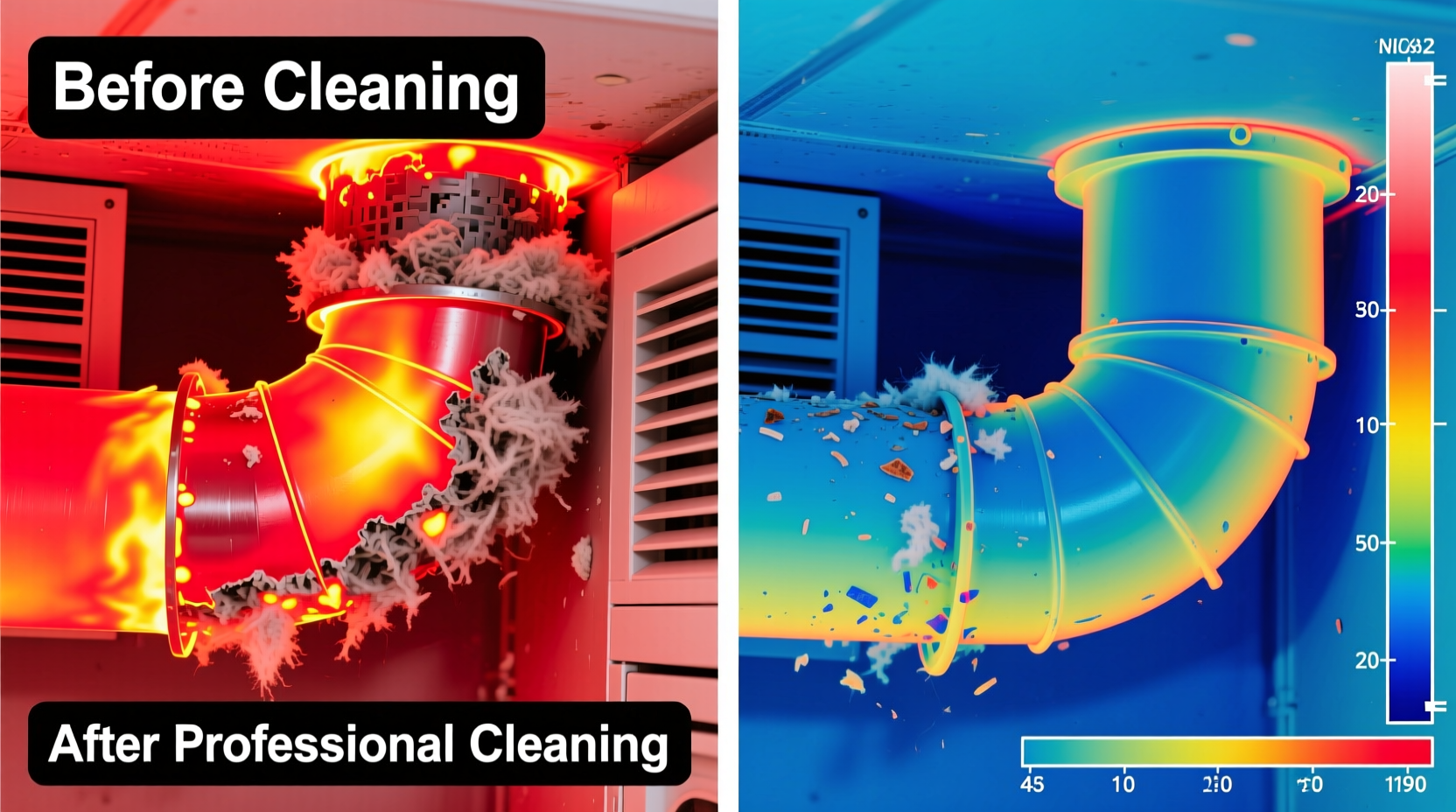
Certified technicians use high-torque rotary brushes coupled with industrial vacuum systems rated at ≥1000 CFM. They insert micro-cameras to visually confirm clearance at every joint and termination point, then measure static pressure before and after to quantify airflow restoration. This process addresses the entire pathway—from drum outlet to exterior hood—including inaccessible sections no brush can reach.
| Factor | Dryer Vent Brush (DIY) | Professional Duct Cleaning |
|---|---|---|
| Effective Reach | ≤4 feet of flexible duct only | Entire path: drum → wall → roof/soffit termination |
| Lint Verification | Visual guesswork; no internal confirmation | Real-time video inspection + pressure test |
| Fire Risk Reduction (per NFPA data) | ~18–25% (temporary surface reduction) | ~87–92% (sustained, system-wide clearance) |
| Recommended Frequency | Monthly (if used daily), but insufficient alone | Annually for standard households; every 6 months for large families or pet owners |
The Misconception That Puts Homes at Risk
“If I clean the lint trap and brush the duct once a year, I’m safe.”
—This is dangerously incomplete. The lint trap catches only ~50% of airborne lint; the rest migrates into ductwork. Brushing without verification leaves 60–80% of hazardous buildup untouched—especially in concealed zones where heat builds silently until ignition.
✅ Validated best practice: Clean the lint trap before *every* load. ✅ Inspect the exterior vent hood monthly for blockage or sluggish flap movement. ✅ Schedule professional cleaning annually—even if your dryer seems fine. 💡 Replace plastic or foil accordion ducts with rigid or semi-rigid aluminum ducting (minimum 4-inch diameter) to reduce turbulence and lint adhesion. ⚠️ Never use leaf blowers or shop vacs alone—they dislodge lint but don’t extract it, redistributing fuel deeper into walls.
When DIY Brushing *Can* Complement—But Never Replace—Professional Service
Use a dryer vent brush only as a monthly maintenance step between professional cleanings—not as a substitute. Focus on the transition from dryer outlet to wall box, where flex hose kinks most often. But remember: if you feel resistance beyond 3 feet, hear scraping without dislodging debris, or notice lint reappearing within days, the blockage is upstream—and requires professional diagnostics.
Everything You Need to Know
How do I know if my dryer vent is clogged?
Three definitive signs: drying time exceeds 50 minutes consistently; the dryer drum or exterior vent hood feels unusually hot; and the laundry room fills with humid, warm air during operation. A stuck or barely moving exterior vent flap confirms restricted exhaust.
Can I inspect my own duct with a camera?
Consumer-grade borescopes lack the resolution, lighting, and articulation needed to assess rigid metal ducts or tight bends. Certified professionals use industrial-grade cameras with measurement overlays and recording capability—required for insurance and code compliance.
Does cleaning the dryer vent really lower energy bills?
Yes. Restricted airflow forces the heating element to run 20–35% longer per cycle. NFPA estimates an average household saves $18–$24 annually in electricity—and extends dryer lifespan by 3–5 years—after professional vent cleaning.
Is there a fire risk even with gas dryers?
Absolutely. Gas dryers produce higher exhaust temperatures (up to 250°F) and pose dual risks: lint ignition *and* carbon monoxide buildup if venting is compromised. Their duct systems require identical cleaning rigor as electric models.




 浙公网安备
33010002000092号
 浙B2-20120091-4