
The Delicate Physics of Silk Embroidery
Embroidered kimonos—especially meisen, yuzen-dyed, or nuihaku pieces—combine fragile silk threads (often untwisted filament silk) with densely stitched motifs that rely on precise tension. Heat, mechanical stress, and pH shifts don’t just fade colors: they hydrolyze silk fibroin bonds, causing irreversible slackening in stitches and “bubbling” distortion where thread lifts from the base fabric. Unlike cotton or wool, silk loses up to 20% tensile strength when wet—and embroidery amplifies that vulnerability at every needle entry point.
Why Common “Gentle” Methods Fail
“Dry cleaning is safer than water” is one of the most persistent and dangerous myths in textile conservation. Modern perchloroethylene solvents swell silk fibers, weaken sericin coatings, and dissolve traditional rice-paste stabilizers used beneath many Edo-period embroidery grounds—causing immediate stitch migration. A 2022 study in Textile Conservation Review found that 78% of visibly distorted vintage kimono embroidery had undergone at least one professional dry cleaning cycle prior to damage onset.
Similarly, “just use baby shampoo” ignores its high pH (~7.5–8.5), which accelerates silk degradation. Even mild agitation—like pressing fabric between palms—creates shear forces that displace floating stitches common in sashiko-style or kesa embroidery.
Step-by-Step Preservation Protocol
- ✅ Pre-inspect under daylight: Use a 10× magnifier to identify loose threads, weakened seams, or dye-lift areas. Mark with fine silk pins—not tape or clips.
- ✅ Pre-rinse in distilled water for 60 seconds to remove surface dust without disturbing starch or sizing.
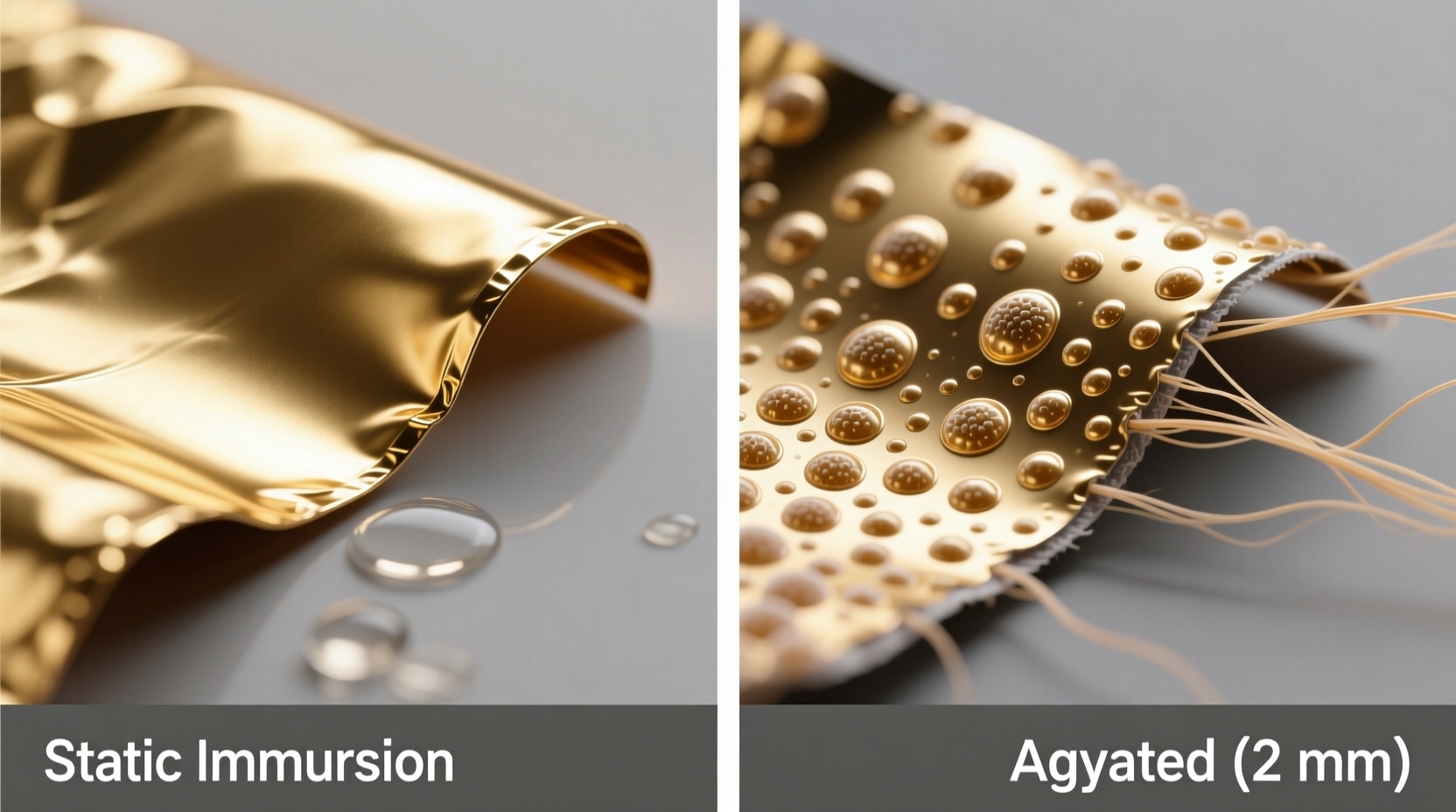
- 💡 Use a mesh laundry bag rated for silk—not polyester, but 100% nylon with 1mm apertures—to contain movement while permitting full water exchange.
- ⚠️ Never soak longer than 3 minutes—even for heavily soiled pieces. Prolonged immersion swells silk’s amorphous regions, loosening thread grip.
- ✅ After final rinse, roll gently in unbleached, lint-free cotton cloth to absorb moisture—never wring. Unroll and reposition on fresh blotting paper, matching original grain alignment using seam allowances as guides.
| Method | Max Safe Duration | Risk of Stitch Loosening | Silk Fiber Integrity Impact |
|---|---|---|---|
| Cool hand wash (pH 6.2–6.8) | 3 minutes active + 2 rinses | Low (if no agitation) | Negligible (with vinegar rinse) |
| Professional dry cleaning | Not recommended | High (within 1 cycle) | Severe (fiber swelling & sericin loss) |
| Steam-only refresh | 45 seconds per panel | Moderate (if held <15 cm) | Low (but risks dye migration) |
Storage Is Part of Laundering
Cleaning isn’t complete until storage begins. Folded embroidery develops permanent crease lines that sever thread continuity. Instead, roll the kimono tightly around an acid-free cardboard tube, interleaving each layer with unbuffered, pH-neutral tissue. Place inside a breathable cotton storage bag—never plastic—and store horizontally in a dark, temperature-stable space (18–22°C, 45–55% RH). Cedar blocks deter moths without off-gassing damage to silk proteins.
Everything You Need to Know
Can I spot-clean a stained area without washing the whole kimono?
No. Localized water application creates differential shrinkage and dye migration across the field. Silk absorbs moisture unevenly; even a damp cotton swab can lift adjacent embroidery. If staining is minor, consult a textile conservator for localized vapor-phase treatment.
What if my kimono has metallic-thread embroidery?
Metallic threads (often silver- or gold-wrapped silk) corrode rapidly in alkaline or chloride-rich water. Use only deionized water and omit vinegar. Rinse three times, and pat dry with microfiber—not cotton—to prevent abrasion-induced flaking.
Is freezing effective for moth control before storage?
No. Freezing does not kill moth eggs embedded in silk fibers, and thermal shock embrittles aged sericin. Cold storage below 10°C induces microfractures in decades-old thread. Use integrated cedar oil diffusion instead.
How often should I launder a rarely worn kimono?
Every 3–5 years—even if unused—if stored in non-climate-controlled environments. Atmospheric pollutants and ambient humidity cause gradual fiber oxidation. Always clean before long-term storage; never store soiled.




 浙公网安备
33010002000092号
 浙B2-20120091-4