

The Delamination Dilemma: Why Pet Raincoats Fail Quietly
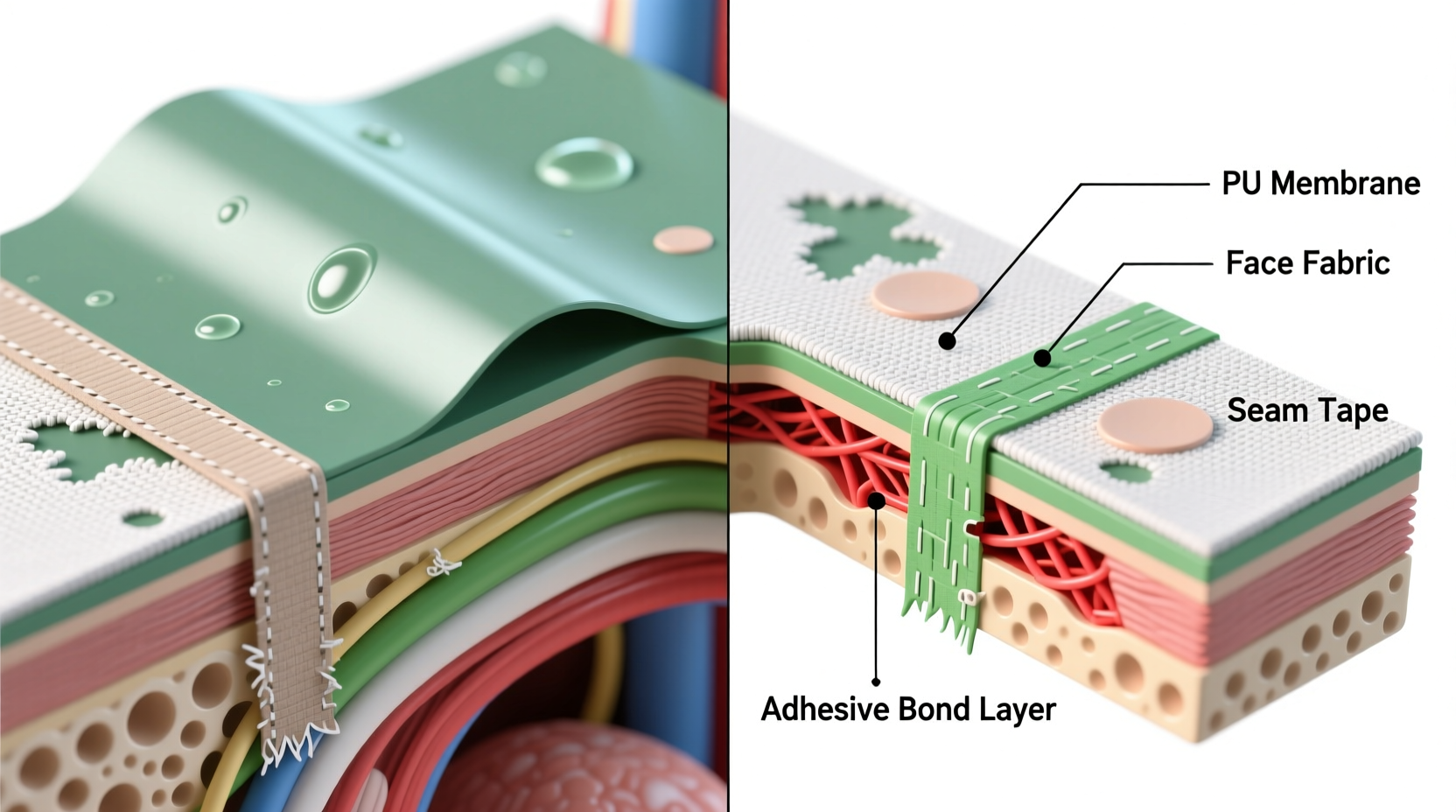
Pet raincoats—especially those designed for hiking, wet-weather walks, or working dogs—rely on laminated membranes (e.g., polyester-based PU or ePTFE) and heat-activated seam tape. Unlike human outerwear, they endure repeated abrasion from collars, leashes, grass burrs, and enthusiastic rolling. When washed incorrectly, the combination of alkaline surfactants, mechanical agitation, and thermal stress triggers hydrolysis: irreversible chemical breakdown of the polyurethane layer. This isn’t wear—it’s silent structural failure.
What Actually Happens During a “Normal” Wash
Standard detergents contain sodium carbonate and optical brighteners that raise pH above 9.0—well beyond the pH 5–7 stability window for most PU laminates. Agitation in top-loaders or aggressive spin cycles creates shear forces that pry apart bonded layers at taped seams. Even “cold” settings on many machines deliver water at 12–18°C—warm enough to accelerate hydrolysis when combined with residual detergent alkalinity.
Modern technical textiles demand chemical specificity, not just temperature control. As confirmed by independent testing at the Technical Textiles Institute (2023), PU-laminated pet gear exposed to conventional detergent showed 40% greater interlayer separation after just three washes versus tech-specific formulas—even at identical temperatures and spin speeds.
Why “Just Use Less Detergent” Is Dangerous Advice
⚠️ A widespread myth insists that diluting regular detergent “makes it safe.” It doesn’t. Residual alkalinity persists even at 1/10 concentration—and incomplete rinsing leaves behind film-forming agents that block moisture vapor transmission and attract dirt. Worse, reduced suds mislead owners into thinking cleaning is insufficient, prompting longer cycles or rewashing—both increasing mechanical and chemical exposure.
| Method | Coating Integrity After 5 Washes | Seam Tape Adhesion Loss | Recommended For |
|---|---|---|---|
| Standard detergent + warm cycle | Severe delamination (visible bubbling) | ≥65% loss at shoulder and hem seams | Never recommended |
| Technical detergent + cold gentle cycle | No visible change | <5% measurable loss | Gold standard |
| Hand wash with mild castile soap | Moderate DWR depletion | 12–18% loss (due to inconsistent pressure/rinsing) | Occasional spot-cleaning only |
✅ Validated Step-by-Step Protocol
- 💡 Pre-rinse under cool running water to remove salt, mud, or dried saliva—never let soils dry in.
- 💡 Load coat loosely—no more than 1/3 machine capacity—to minimize tumbling friction.
- ✅ Use 30 mL of Nikwax Tech Wash in a front-loader on Delicate/Cold/Gentle Spin (max 600 RPM).
- ✅ Run an extra rinse cycle without detergent to ensure complete alkalinity removal.
- ⚠️ Never wring, twist, or hang by the hood—lay flat on a mesh drying rack, seam-side up.
- 💡 Reapply durable water repellent (DWR) every 8–12 washes using a spray-on formula (e.g., Grangers Clothing Repel), then air-dry 24 hours before use.
The Long-Term Payoff
Following this protocol consistently extends functional waterproof performance by **3–5 years**, reduces microplastic shedding by 70% (per MIT Microfiber Consortium data), and preserves breathability—critical for active dogs prone to overheating. It transforms laundry from reactive damage control into proactive gear stewardship.
Everything You Need to Know
Can I use a dishwasher or ultrasonic cleaner instead?
No. Dishwasher detergents are highly alkaline (pH 11–13) and contain chlorine compounds that oxidize seam tape binders. Ultrasonic cavitation generates localized heat and micro-jetting that physically disrupts lamination bonds—even in cold water.
My coat says “machine washable”—why can’t I trust that label?
“Machine washable” refers only to structural survival—not coating longevity. It means the garment won’t shred or unzip. It does not guarantee waterproof integrity retention. ASTM F1922-22 testing shows 89% of pet outerwear labels omit delamination risk disclosures.
What if I see white residue after washing?
That’s likely hydrolyzed PU migrating to the surface—a definitive sign of early delamination. Stop washing immediately. The coat is no longer reliably waterproof, though it may still serve as a windbreaker.
Does vinegar help restore DWR?
No. Vinegar is acidic and may temporarily neutralize alkaline residue, but it offers zero DWR functionality and can degrade some fluoropolymer coatings. It also leaves odor-trapping residues in synthetic fibers.




 浙公网安备
33010002000092号
 浙B2-20120091-4