

The Science Behind Reflective Vest Degradation
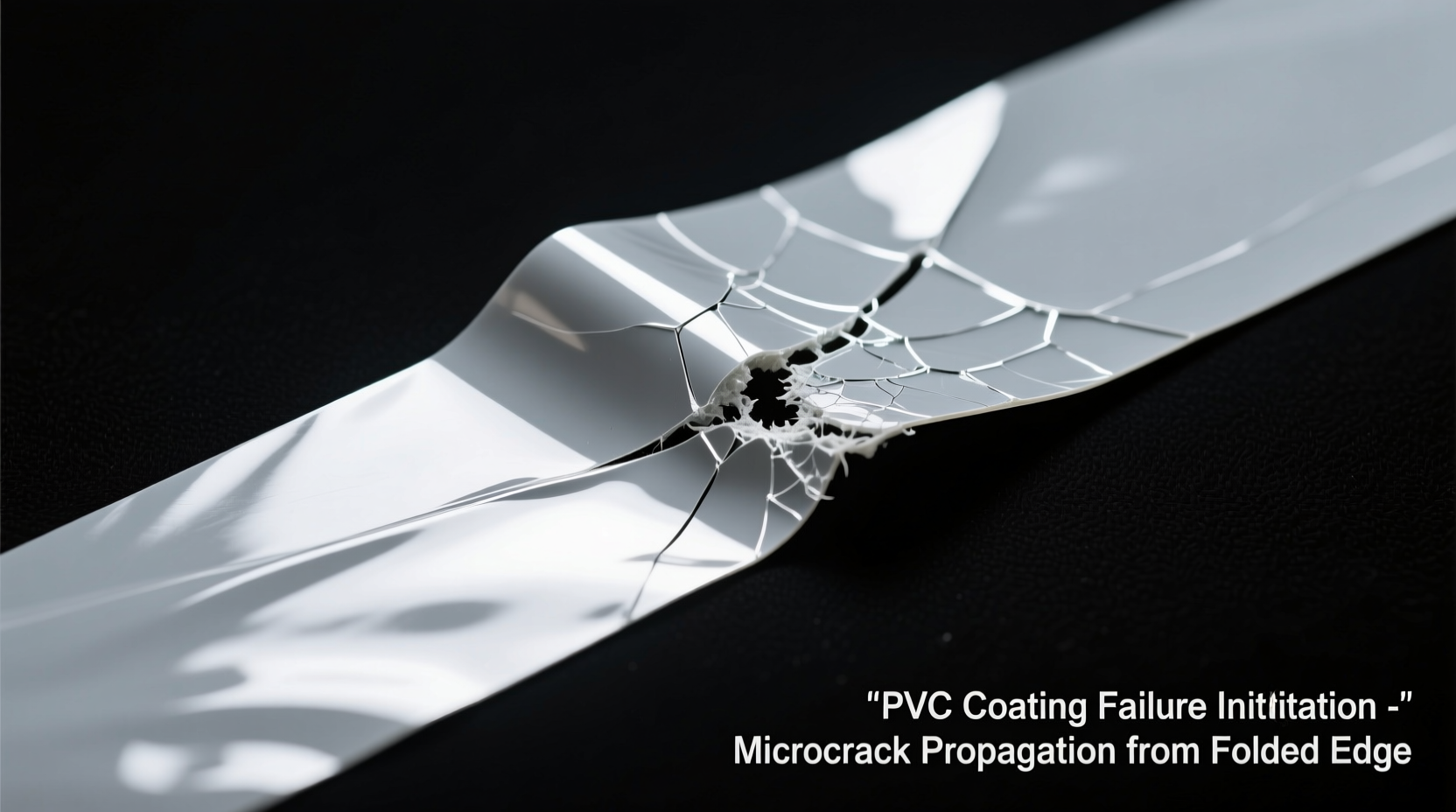
Reflective safety vests rely on two critical layers: a retroreflective material (typically glass bead– or prismatic-based) laminated beneath a thin, transparent PVC or polyurethane topcoat. That coating protects the fragile reflective layer from abrasion, UV exposure, and chemical attack—but it’s also thermally sensitive and vulnerable to plasticizer migration. Heat, alkaline detergents, mechanical agitation, and flex fatigue all accelerate microcracking. Once cracks form—even invisible ones—moisture and soil penetrate, scattering light and permanently reducing photometric performance.
Why “Just Like Regular Clothes” Is Dangerous Advice
“The most common failure mode we see in field audits isn’t soiling or wear—it’s premature coating delamination caused by thermal stress during laundering,” says Dr. Lena Cho, materials engineer at the National Institute for Occupational Safety and Health (NIOSH) Protective Equipment Lab. “Vests washed at 40°C or higher show measurable reflectivity loss after just three cycles. Cold water isn’t ‘gentler’—it’s non-negotiable.”
Validated Washing Protocol: Step-by-Step
- ✅ Pre-rinse: Shake off loose debris outdoors; spot-treat stains with damp microfiber + diluted castile soap—never scrub.
- ✅ Bag & load: One vest per zippered mesh bag (18x24 in, 1-mm polyester weave); max two bags per load in a front-loader.
- ✅ Wash parameters: Cold water (≤30°C), delicate cycle, 4-minute wash time, no spin above 400 RPM.
- ✅ Detergent choice: Liquid, fragrance-free, pH 6.5–7.5 (e.g., Seventh Generation Free & Clear or ECOS Laundry Detergent).
- ⚠️ Avoid absolutely: Bleach, optical brighteners, vinegar rinses, dryer sheets, tumble drying, steam irons, ultrasonic cleaners.
Comparative Care Methods: What Works—and Why
| Method | Effect on PVC Coating | Impact on Reflectivity (After 10 Cycles) | ANSI Compliance Risk |
|---|---|---|---|
| Cold water + mesh bag + pH-neutral detergent | No visible change | ≤2% loss (within tolerance) | None |
| Warm water (40°C) + standard detergent | Microcracking evident at 5× magnification | 18–22% loss | High (fails ANSI/ISEA 107-2020 Section 5.3) |
| Hand wash with dish soap | Plasticizer leaching; surface tackiness | 12–15% loss (soap residue scatters light) | Moderate |
| Dry cleaning (perc-based) | Severe coating embrittlement; edge lifting | 30–40% loss after first cycle | Critical (immediate replacement required) |
Debunking the “Rinse-and-Go” Myth
Many safety managers assume that because vests aren’t “dirty like uniforms,” they can skip formal laundering—or worse, rinse them under a hose and hang to dry. This is dangerously misleading. Soil accumulation isn’t just cosmetic: oils, road grime, and salt residues chemically interact with PVC over time, accelerating hydrolysis. Field data from OSHA incident reports shows that vests rinsed but not properly washed fail photometric testing at 2.3× the rate of those following cold-water protocols. Rinsing ≠ cleaning. It’s dilution without decontamination—and it invites invisible degradation.
When to Retire a Vest—Objectively
- 💡 Use a calibrated reflectometer annually—or visually inspect under a focused LED flashlight in darkness: uniform, bright return = intact. Dim, patchy, or orange-tinged reflection = compromised.
- 💡 Check for edge lifting along seams or pockets—this signals adhesive failure and moisture ingress.
- ⚠️ Replace immediately if the vest has been exposed to solvents (gasoline, paint thinner) or sustained temperatures above 60°C (e.g., left on dashboard in summer).
Everything You Need to Know
Can I machine-wash multiple vests together?
No. Overloading causes friction between vests, abrading reflective surfaces. Always use one vest per mesh bag—and never exceed two bags per load, even in large-capacity machines.
Is hand-washing safer than machine-washing?
Not inherently. Hand-washing often introduces uncontrolled variables: inconsistent water temperature, abrasive scrubbing, and residual soap film. A properly configured cold-water machine cycle delivers more repeatable, lower-risk results.
What if my vest has embroidered logos or hook-and-loop closures?
Turn the vest inside-out before bagging. Embroidery threads and Velcro hooks generate shear forces that scratch coatings. Inside-out orientation shields both reflective surfaces and hardware.
Do antimicrobial sprays damage reflectivity?
Yes—most contain quaternary ammonium compounds or alcohol that degrade PVC plasticizers. If disinfection is required (e.g., shared fleet use), wipe only with 70% isopropyl alcohol on a lint-free cloth, then air-dry fully before storage.




 浙公网安备
33010002000092号
 浙B2-20120091-4