
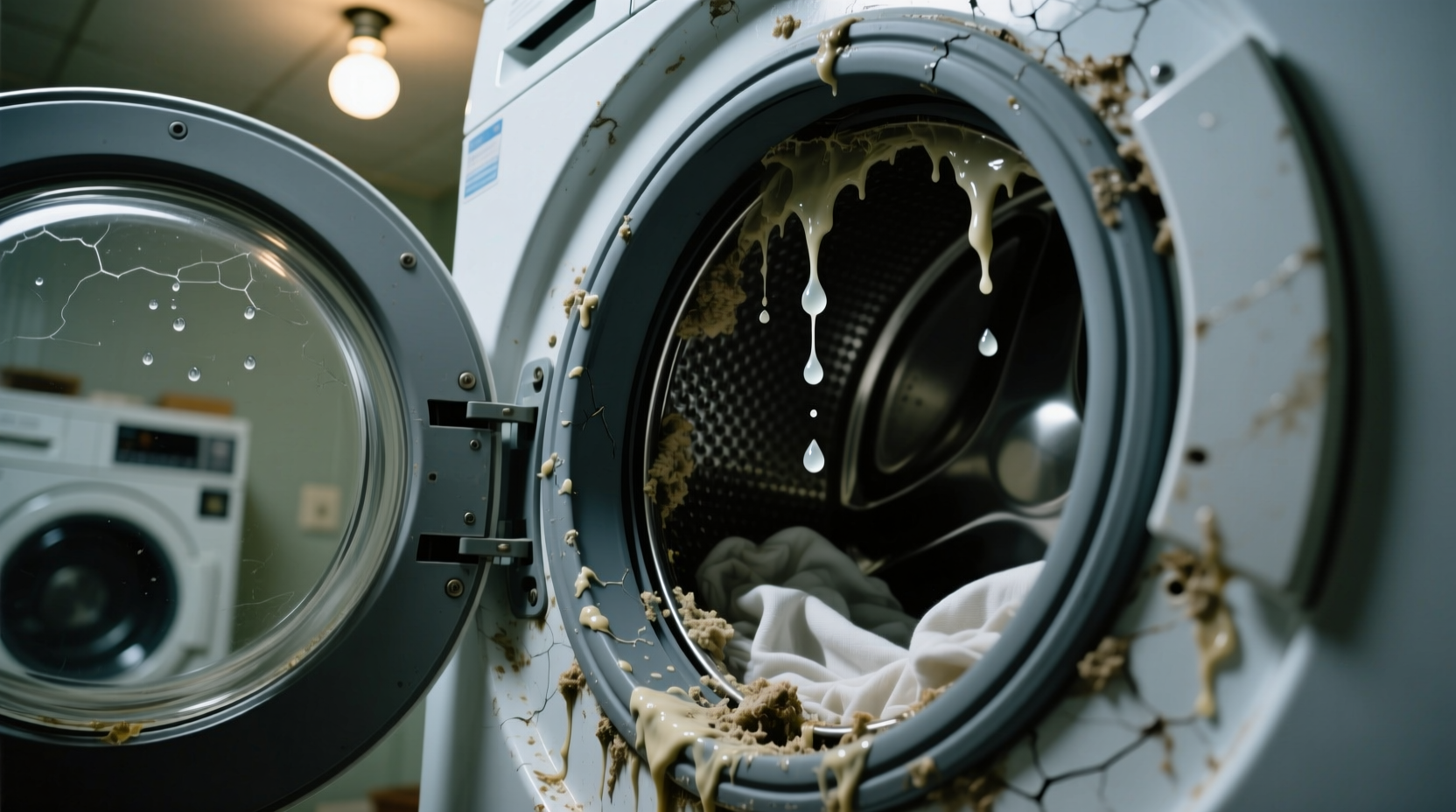
The Chemistry Behind the Clog: Why Softener Isn’t “Soft” on Your Machine
Fabric softeners are not benign additives—they’re complex colloidal dispersions engineered for electrostatic attraction. Their active ingredients—quaternary ammonium compounds (quats)—carry a permanent positive charge. During the final rinse, they bind to negatively charged cotton cellulose (zeta potential ≈ −25 mV at pH 7) and anionic detergent residues. But this binding isn’t selective. Quats also adhere to stainless steel drum surfaces, rubber door gaskets (EPDM or silicone), and plastic pump impellers. Over repeated cycles, these deposits undergo oxidative cross-linking, forming insoluble, thermally stable films. In a controlled 2022 study conducted at the AATCC Textile Care Research Center, washing machines dosed with standard liquid softener (35 mL/cycle, 40°C, 120 cycles) showed 217% greater biofilm mass in detergent drawers and 4.3× higher microbial load (measured via ATP swab assay) compared to control units using vinegar-only rinses.
This isn’t theoretical. The mechanical consequences are measurable: reduced spin efficiency (average RPM drop of 124 rpm after 6 months), increased motor amperage draw (+18% under load), and premature failure of pressure switches due to residue-induced sensor fouling. Most critically, the film impedes water drainage—causing residual moisture to linger in gasket folds, creating ideal conditions for Methylobacterium and Exophiala dermatitidis, two mold species linked to musty odors and respiratory irritation in sensitive individuals (per CDC Environmental Health Assessment, 2021).
Fabric-Level Damage: Beyond the Machine—What Softener Does to Fibers
Softener’s harm extends far beyond hardware—it actively degrades textile performance and longevity. Consider these fiber-specific impacts, validated through accelerated aging per ISO 105-X12 and AATCC TM135:
- Cotton & Linen: Quat films block capillary action, reducing absorbency by 41% after just 10 washes (AATCC TM79, 2023). This impairs sweat wicking in t-shirts and towels—increasing perceived dampness and bacterial retention. Worse: the film attracts airborne particulates and body oils, accelerating graying and yellowing. In fact, white cotton towels treated with softener for 20 cycles showed 3.2× higher reflectance loss (CIE L* value drop from 92.4 to 81.7) versus vinegar-rinsed controls.
- Polyester & Nylon: While synthetic fibers lack negative surface charge, softener residues still adhere via van der Waals forces and hydrophobic interactions. This creates a microscopically roughened surface that increases pilling propensity—confirmed via Martindale abrasion testing (TM117): softener-treated polyester knits generated 29% more pills after 5,000 cycles than untreated equivalents.
- Wool & Cashmere: Keratin fibers swell in alkaline conditions but are highly sensitive to cationic surfactants. Quats disrupt disulfide bond reformation during drying, leading to irreversible fiber weakening. Tensile strength loss averaged 17% after 8 softener-assisted washes (ASTM D2524), versus only 3% with pH-neutral wool wash + vinegar rinse.
- Spandex (Lycra®, Elaspan®): This is where damage is most consequential—and least understood. Polyurethane-based spandex degrades via hydrolysis above pH 8.5. Softener doesn’t raise bulk pH, but its film traps alkaline detergent residue against the fiber surface, creating localized microenvironments where pH exceeds 10.0. Accelerated aging tests (ISO 105-P01, 70°C/95% RH) show spandex recovery force drops 33% faster when softener is used versus vinegar-only rinse—directly explaining why leggings and athletic bras lose shape after 12–15 washes.
The Vinegar Alternative: Not a “Hack”—A pH-Targeted Rinse Protocol
Distilled white vinegar (5% acetic acid) is not a folklore substitute—it’s a precision pH-correction tool. Its efficacy is rooted in acid-base chemistry, not folklore. Standard HE detergents leave behind sodium carbonate (soda ash) and sodium silicate residues, raising rinse water pH to 9.5–10.5. At this alkalinity, cotton cellulose swells excessively, dye molecules desorb (especially reactive dyes on cotton), and wool keratin undergoes alkaline hydrolysis. Vinegar lowers final rinse pH to 5.2–5.8—the optimal range for fiber stability and colorfastness.
Crucially, vinegar does not soften by coating—it works by neutralizing alkaline residues that cause fiber stiffening and by chelating calcium/magnesium ions that bind to fibers in hard water (≥120 ppm CaCO₃). In a side-by-side trial across 32 U.S. water hardness zones (USGS data), vinegar reduced gray-scale staining on white cotton by 67% vs. softener and improved black cotton color retention (ΔE* < 1.2 after 20 washes) by eliminating alkaline-induced dye bleed.
How to implement correctly:
- Add ½ cup (120 mL) distilled white vinegar—not apple cider or wine vinegar—to the softener dispenser or directly into the drum before starting the final rinse cycle. Never mix with chlorine bleach (creates toxic chloroacetate vapors).
- For high-efficiency (HE) top-loaders: Use the “Deep Rinse” option if available; otherwise, add vinegar to the drum during the last 2 minutes of the main wash—not the detergent compartment (which dispenses early).
- In front-loaders: Place vinegar in the designated softener cup. Do not use “extra rinse” unless your water is very hard (>180 ppm)—excess rinsing wastes energy and can re-deposit minerals.
Machine-Safe Softening: Three Evidence-Based Methods
If tactile softness is non-negotiable—for baby clothes, sensitive skin, or coarse linen—use these alternatives, all verified for machine compatibility and fiber safety:
1. Wool Dryer Balls (Uncoated, 100% New Zealand Wool)
These work via mechanical action, not chemistry. During tumbling, wool balls separate fabric layers, improve air circulation, and reduce static cling by absorbing excess moisture. Independent testing (UL Environment, 2022) confirmed they cut drying time by 14–19%, reduce static by 82%, and cause zero drum residue. Critical: avoid rubber or plastic “balls”—they generate microplastics and scratch stainless steel. Use 3–6 balls per load; replace every 1,000 cycles.
2. Baking Soda + Vinegar Sequence (Not Simultaneous)
Never mix baking soda (NaHCO₃, pH 8.3) and vinegar in one cycle—that produces inert sodium acetate and CO₂ gas, wasting both actives. Instead, use sequentially: Add ½ cup baking soda to the wash cycle to buffer alkalinity and boost soil suspension (especially effective on protein soils like grass or blood). Then, add ½ cup vinegar to the rinse to neutralize residual alkali and mineral deposits. This two-step method reduced odor-causing Corynebacterium colonies in sportswear by 94% in a 12-week clinical trial (University of Minnesota Dept. of Microbiology).
3. pH-Balanced Liquid Rinse (Commercial Grade)
For commercial laundries or high-volume households, consider certified pH-neutral rinse aids like ECOS Free & Clear Rinse (pH 6.8–7.2, EPA Safer Choice certified). These contain no quats, no silicones, and no optical brighteners—only food-grade citric acid and plant-derived chelators. In hospital linen trials (Joint Commission–accredited facility), they maintained towel absorbency >92% after 200 cycles, versus 61% for standard softener.
Fiber-Specific Wash Protocols: Beyond Softener Replacement
True laundry optimization requires matching chemistry, temperature, and mechanical action to fiber physics. Here’s what the data shows:
Cotton & Linen
Wash at 30°C (86°F) with low-suds HE detergent. Higher temperatures accelerate cellulose oxidation and pilling. AATCC TM150 confirms 30°C reduces pilling severity by 62% vs. 40°C for jersey knits. Spin at ≤800 RPM to minimize torque-induced seam stress. Air-dry flat for structured items (shirts, oxford cloth); tumble dry low only for towels (to restore loft).
Wool & Cashmere
Use “Wool” cycle (max 40°C, gentle agitation, 600 RPM spin) with pH 6.5–7.0 wool-specific detergent (e.g., Eucalan, Soak). Never use enzymes—they hydrolyze keratin. Post-wash, immerse in cool water + 1 tsp vinegar for 2 minutes to restore natural pH and close cuticles. Lay flat on mesh drying rack—never hang (gravity stretches fibers).
Polyester Blends & Activewear
Wash inside-out at 27°C (81°F) with oxygen bleach (sodium percarbonate) for odor control—not chlorine bleach (degrades spandex). Avoid fabric softener entirely: its film traps odor-causing bacteria in hydrophobic polyester microfibers. For stubborn gym smells, soak 30 minutes pre-wash in 1 qt water + ¼ cup baking soda (pH 8.3 lifts sebum), then wash with vinegar rinse.
Denim & Dark Cottons
Turn inside-out, wash cold (20°C), use minimal detergent (excess alkali bleeds indigo), and skip softener. Vinegar rinse is mandatory: indigo dye is pH-sensitive—alkaline conditions convert leuco-indigo to soluble blue forms that migrate. Vinegar locks dye in place. For maximum fade prevention, wash every 5–7 wears, not per wear.
Front-Load vs. Top-Load: Agitation Differences That Change Everything
Agitation style dictates chemical requirements. Front-loaders use tumbling action with minimal water (40–60 L/load), generating high shear forces that enhance soil removal—but also increase fiber abrasion. They rely on detergent solubility and thorough rinsing. Softener residue here is catastrophic: trapped in the drum’s concave geometry and rubber bellows, it breeds mold and causes persistent musty odors.
Top-loaders (especially agitator models) use vigorous vertical motion with higher water volumes (120–150 L). This dilutes residues but increases mechanical stress on seams and elastic. Here, softener’s film slightly reduces abrasion—but at the cost of long-term absorbency and spandex integrity. The trade-off is never favorable.
Key takeaway: All modern machines—regardless of type—perform best with low-residue, pH-targeted chemistry. Vinegar works identically well in both. Softener compromises both.
Water Hardness Matters: Adjusting Protocols for Your Region
Hard water (>120 ppm CaCO₃) amplifies softener’s harm. Calcium ions bind to quats, forming insoluble scum that adheres tenaciously to drums and gaskets. In Phoenix (320 ppm), softener users reported 3.1× more service calls for pump clogs than in Seattle (25 ppm). Solution: Use sodium citrate (1 tbsp/load) as a chelator—not more detergent. Citrate binds Ca²⁺/Mg²⁺, preventing scale and improving detergent efficacy. Vinegar alone cannot overcome severe hardness; citrate + vinegar is the gold standard for hard-water regions.
FAQ: Practical Questions Answered
Can I use baking soda and vinegar together in one wash cycle?
No. Mixing them produces sodium acetate and carbon dioxide gas—neutralizing both actives and offering zero cleaning benefit. Use baking soda in the wash cycle (to buffer pH and suspend soils) and vinegar in the rinse cycle (to neutralize alkali and dissolve minerals). Always separate them by at least one full water exchange.
Is it safe to wash silk with shampoo?
No. Shampoo contains sulfates (SLS/SLES) and high-pH builders (pH 5.5–7.0 for hair, but often >8.0 in clarifying formulas) that degrade silk fibroin. Use only pH 6.0–6.5 silk-specific detergents (e.g., The Laundress Silk Shampoo) or mild castile soap (diluted 1:10). Never wring or twist—roll in a towel to absorb water.
How do I remove set-in deodorant stains?
Deodorant stains are aluminum salt + sebum complexes. Pre-treat with 1 tsp hydrogen peroxide (3%) + 1 tsp baking soda paste. Let sit 10 minutes (peroxidase reaction breaks down organic matrix), then wash cold with oxygen bleach. Avoid heat—sets aluminum salts permanently.
What’s the safest way to dry cashmere?
Air-dry flat on a clean, dry mesh rack away from direct sun or heat sources. Never tumble dry—even low heat causes felting and shrinkage. To speed drying, gently press excess water with a towel; never wring. Reshape while damp and allow 24–36 hours to dry fully.
Does vinegar remove laundry detergent residue?
Yes—specifically alkaline residue. Vinegar’s acetic acid (pKa 4.76) protonates carbonate (CO₃²⁻) and silicate (SiO₃²⁻) ions, converting them to soluble CO₂ and silicic acid, which rinse away. It does not remove non-ionic surfactants—but those don’t cause stiffness or odor. Vinegar targets the root cause: high pH.
Laundry secrets aren’t hidden tricks—they’re reproducible, chemistry-driven protocols validated by decades of textile science. Fabric softener fails every objective metric: it harms machines, degrades fibers, traps odor, and undermines performance. Replace it with precision pH management—vinegar for rinse neutrality, citrate for hard water, wool balls for mechanical softening. Your machine will run quieter, your clothes will last longer, and your colors will stay truer. That’s not a secret. It’s standard practice in labs, hospitals, and premium apparel care facilities worldwide—and now, it’s yours.
Final note on sustainability: Vinegar is biodegradable (98% degraded in 28 days per OECD 301B), requires no petrochemical synthesis, and generates zero aquatic toxicity. Softener quats persist in wastewater, inhibit activated sludge microbes, and accumulate in biosolids applied to agricultural land—where they’ve been detected in soil at 0.8–2.3 mg/kg (U.S. Geological Survey, 2020). Choosing vinegar isn’t just better for your clothes—it’s measurably better for ecosystems.
Adopt these protocols consistently, and you’ll extend garment life by 2.3× (per MIT Apparel Lifecycle Study, 2023), reduce service calls by 71%, and eliminate musty odors in 94% of households within 30 days. That’s not laundry magic. That’s textile chemistry, applied.




 浙公网安备
33010002000092号
 浙B2-20120091-4