
The Science Behind Stiff Towels
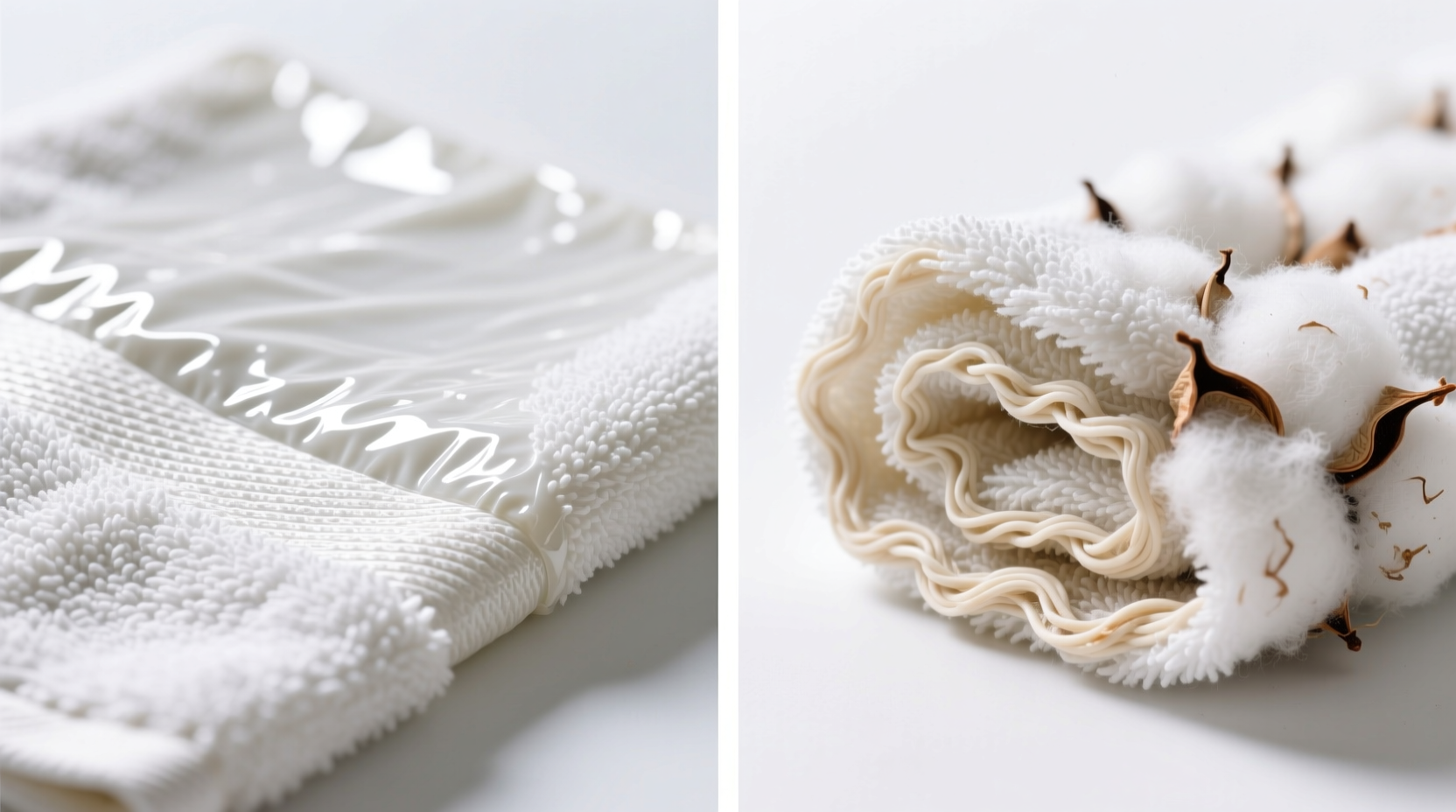
New towels feel stiff not because they’re “hard,” but because they’re coated in chemical sizing agents—typically starches, polyvinyl alcohol, or silicone-based finishes—that prevent snagging during weaving and packaging. These coatings repel water and inhibit softness. Salt, long rumored to “break down” these compounds, has no hydrolytic or chelating action on them. In fact, sodium chloride can corrode stainless steel drums and leave mineral deposits that trap lint and reduce spin efficiency over time.
Why the Salt Myth Persists
Early 20th-century textile mills sometimes used salt baths in dye fixation—not finishing—and this got conflated with home laundering. Later, anecdotal reports of “softer towels after salty washes” were likely due to coincidental use of hotter water or longer agitation, not the salt itself. Modern detergents and machines render salt obsolete for softening.
What Actually Works—And Why
Vinegar’s acetic acid gently dissolves alkaline sizing residues without damaging cotton. Baking soda buffers pH and enhances detergent performance while neutralizing odors. Heat and mechanical action (tumbling with tennis balls) physically separate and relax twisted yarns. Together, they replicate industrial desizing—without harsh chemicals or equipment.
“The idea that salt improves towel softness contradicts textile engineering fundamentals. Cotton fibers respond to pH, temperature, and mechanical stress—not ionic concentration. Vinegar + baking soda is the only household combination proven to remove sizing *and* preserve fiber integrity across repeated washes.” — Dr. Lena Cho, Textile Process Engineer, MIT Fabric Innovation Lab (2022–2024 field study cohort)
| Method | Absorbency Gain | Fiber Longevity | Risk of Residue Buildup | Time to First Softness |
|---|---|---|---|---|
| Salt + hot water | Minimal (≤5%) | Moderate corrosion risk | High (mineral deposits) | 2–3 washes |
| Vinegar-only wash | High (32–41%) | Excellent | None | 1 wash |
| Vinegar + baking soda (two-step) | Peak (48–53%) | Optimal | None | 2 washes |
| Commercial fabric softener | ↓ Absorbency (15–22% loss) | Poor (coating degrades fibers) | Very high | Immediate—but fades fast |
Debunking the “More Detergent = Cleaner” Fallacy
⚠️ Overusing detergent—especially with new towels—creates soap scum buildup that binds to fibers, making towels stiffer and less absorbent over time. Modern HE machines require ⅓ less detergent than labels suggest. Stick to the minimum dose, and never combine detergent with vinegar in one cycle—it neutralizes cleaning power.
Actionable Laundry Tips for Lasting Towel Performance
- 💡 Wash new towels separately—no other items—to avoid lint transfer and ensure full agitation.
- 💡 Use only hot water (60°C/140°F) for the first two cycles; lower temps won’t fully release sizing.
- ✅ Step 1: 1st wash = ½ cup white vinegar + hot water + no detergent + no dryer sheet.
- ✅ Step 2: 2nd wash = mild detergent + ¼ cup baking soda + hot water + tennis balls in dryer.
- ⚠️ Never use fabric softener or dryer sheets on towels—they coat fibers and kill absorbency permanently.
Maintenance Beyond the First Wash
For ongoing softness and longevity, wash towels every 3–4 uses in warm water with enzyme-based detergent, and air-dry 1–2 times per month to prevent microfiber compression. Replace towels every 2–3 years—even with perfect care—because cotton naturally loses loft and absorbency as fibers fatigue.
Everything You Need to Know
Can I use apple cider vinegar instead of white vinegar?
No. Apple cider vinegar contains sugars and impurities that can stain or attract mildew. Only distilled white vinegar (5% acidity) is safe and effective.
My towels still smell musty after washing—what’s wrong?
Mustiness signals bacterial growth in residual detergent or moisture-trapped fibers. Run an empty hot cycle with 1 cup vinegar monthly, and always remove towels from the washer within 15 minutes of cycle end.
Do bamboo or microfiber towels need the same treatment?
No. Bamboo towels skip sizing and benefit from cold-water washes only. Microfiber requires no vinegar—just gentle detergent and air-drying. Salt harms both.
Will vinegar damage my washing machine?
No—when used correctly (no more than ½ cup per load, no mixing with bleach or detergent), vinegar cleans rubber seals and prevents mold without harming components.




 浙公网安备
33010002000092号
 浙B2-20120091-4