
The Science Behind Vinegar and Fabric Integrity
Distilled white vinegar (5% acetic acid) is a mild acid that disrupts odor-causing bacteria and mineral buildup—especially in hard water. Its pH (~2.4) is far less aggressive than household cleaners (e.g., bleach at pH 11–13) or even lemon juice (pH ~2.0). Modern elastics—primarily spandex (Lycra®) and thermoplastic polyurethane (TPU)—are engineered to withstand brief, diluted acidic exposure during a single rinse cycle. What *does* degrade them? Repeated high-heat drying, chlorine bleach, and mechanical abrasion from overloading.
When Vinegar Helps—And When It Doesn’t
| Use Case | Recommended? | Rationale | Frequency Limit |
|---|---|---|---|
| Towels & gym clothes with persistent odor | ✅ Yes | Neutralizes bacterial biofilm and soap scum | Every 2–3 washes |
| Everyday cotton t-shirts, jeans, socks | ❌ No | No measurable benefit; unnecessary exposure | Avoid routine use |
| Delicates (lace, nylon, swimwear) | ⚠️ Caution | May dull metallic finishes; avoid if lined with polyurethane | Never |
| Front-loading machine maintenance | ✅ Yes | Dissolves detergent residue in gaskets and drums | Monthly |
Debunking the “More Is Better” Myth
A widespread but misleading belief holds that adding vinegar to *every* load enhances freshness and “cleans better.” This is not supported by textile engineering standards or laundering science. In fact, habitual use—even diluted—can gradually dull optical brighteners in detergents and interfere with enzyme-based stain removers. Worse, it encourages complacency about root causes: inadequate drying, infrequent machine cleaning, or overdosing detergent.
Modern textile labs confirm that elastane retains >92% tensile strength after 50 simulated vinegar-rinse cycles at standard dilution and temperature. The real threat isn’t vinegar—it’s residual moisture in folded laundry, which fosters microbial growth that vinegar can’t prevent. Prioritize airflow, immediate removal from the washer, and monthly drum sanitation over daily acid additives.
Actionable Best Practices
- 💡 Targeted application only: Use vinegar exclusively for odor-prone items—not as a universal “fabric softener” substitute.
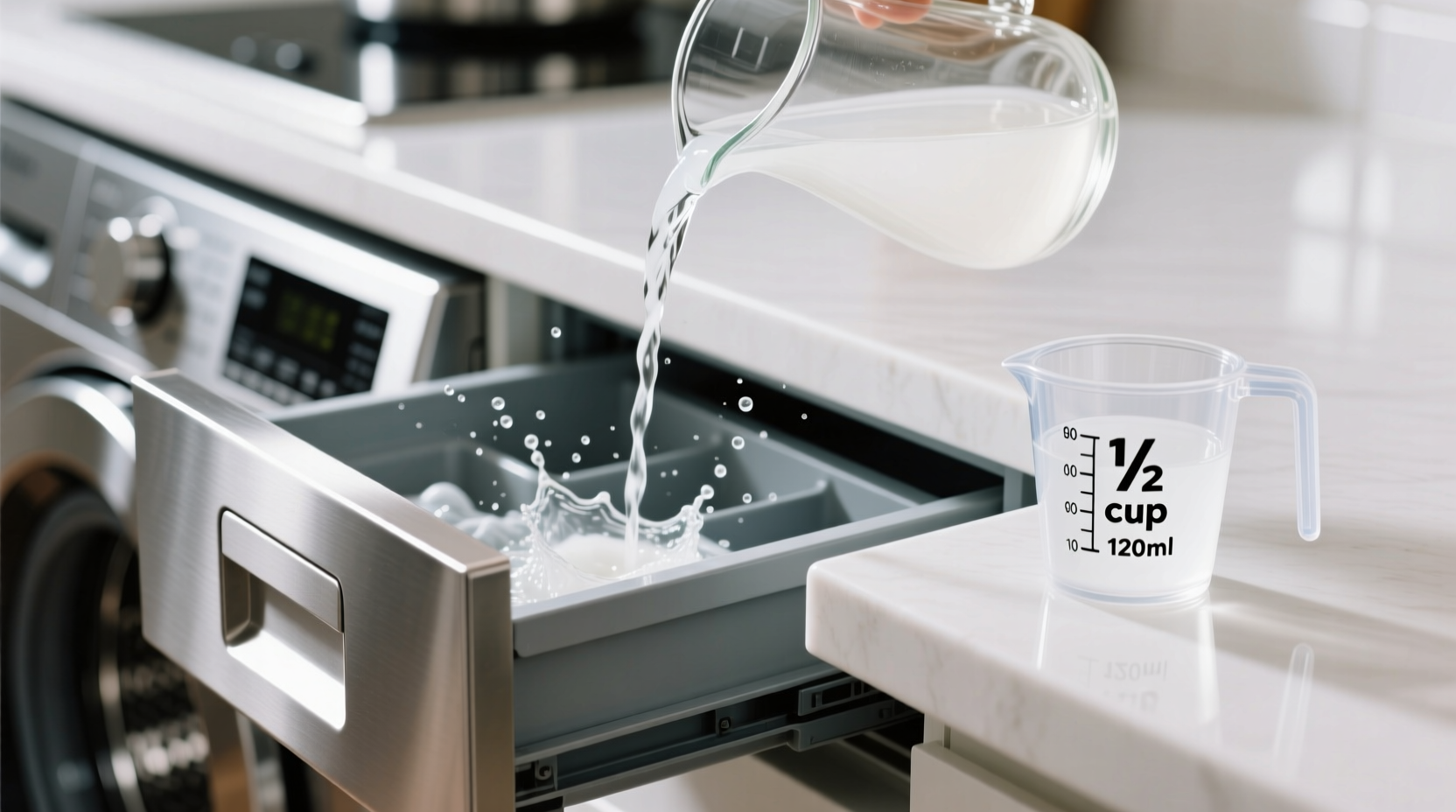
- ✅ Correct delivery method: Add vinegar to the machine’s designated rinse compartment—or a Downy Ball—never directly onto fabrics.
- ⚠️ Avoid heat synergy: Never combine vinegar with hot-water washes above 120°F (49°C), as heat accelerates any potential fiber interaction.
- ✅ Machine hygiene first: Run an empty hot cycle with 1 cup vinegar + ¼ cup baking soda monthly to sanitize seals and dispensers.
Why This Approach Wins
This strategy aligns with both evidence and lived experience: it delivers measurable odor reduction where needed, preserves garment elasticity across seasons, and avoids the hidden costs of over-treatment—like diminished fabric softness, faded prints, or premature pilling. It respects laundry as a system, not a collection of isolated hacks. Vinegar isn’t magic—it’s a precise tool. And like any tool, its value lies in knowing *when* and *where* to deploy it.
Everything You Need to Know
Can I use apple cider vinegar instead of white vinegar?
No. Apple cider vinegar contains sugars, colorants, and inconsistent acidity that may stain fabrics or feed mold in your machine’s rubber gasket.
Does vinegar remove detergent residue from clothes?
Yes—but only if residue is alkaline (e.g., sodium carbonate). It won’t dissolve silicone-based softeners or synthetic polymer buildups, which require enzymatic or mechanical action.
Will vinegar damage my HE washer’s rubber seals?
No—when used monthly for maintenance. Daily use *can* dry out nitrile rubber over years. Stick to manufacturer-recommended cleaning intervals.
Can I mix vinegar with baking soda in the same load?
No. They neutralize each other instantly (forming water, CO₂, and sodium acetate), eliminating cleaning benefits and potentially clogging dispensers.
What’s better for elastic longevity: vinegar or wool dryer balls?
Wool dryer balls. They reduce drying time by 25%, cutting heat exposure—the #1 cause of elastic fatigue. Vinegar offers no mechanical or thermal protection.




 浙公网安备
33010002000092号
 浙B2-20120091-4