
The Vinegar Verdict: Science Over Superstition
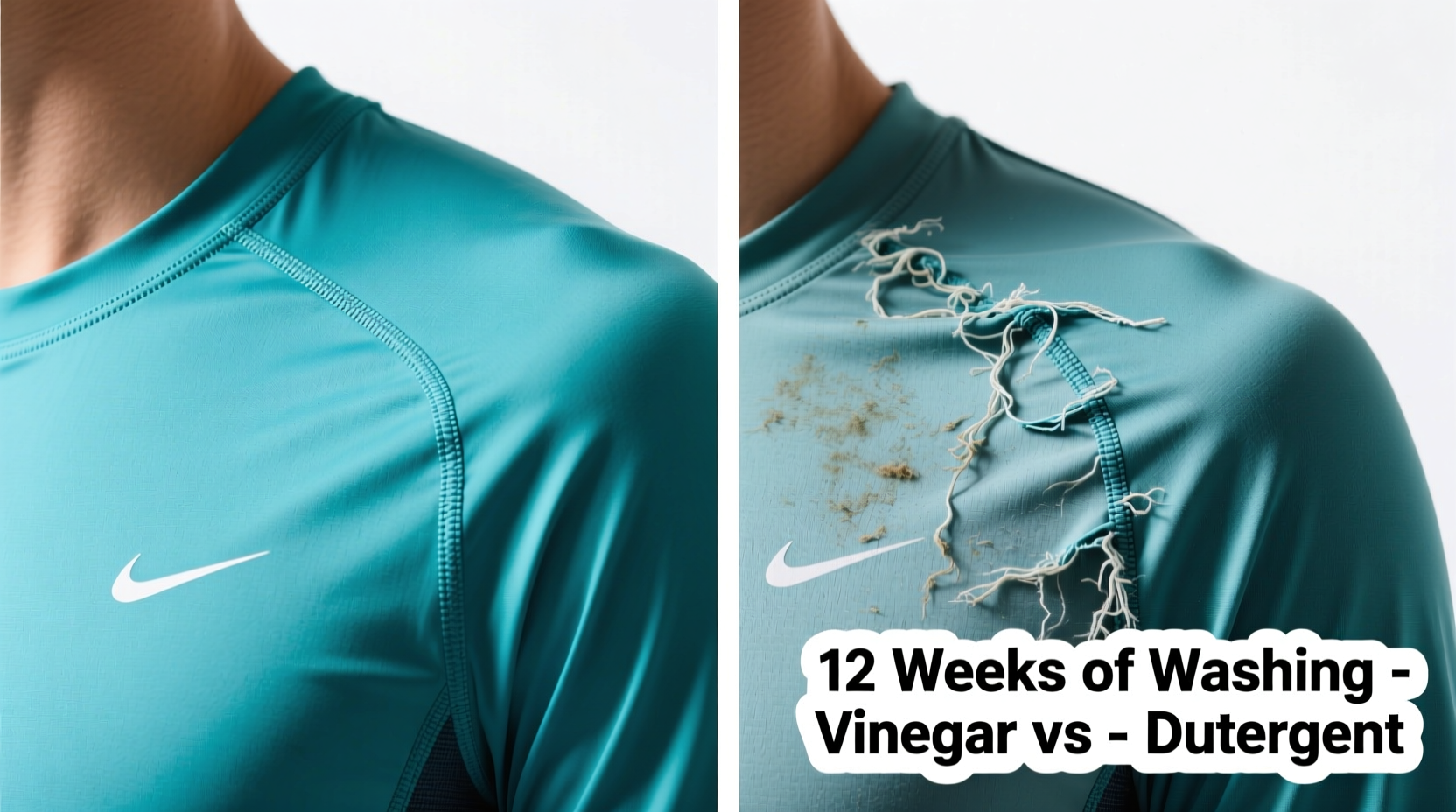
Distilled white vinegar (5% acetic acid) is a pH-balancing rinse—not a cleaner, softener, or disinfectant. Its real value lies in reversing alkaline residue left by detergents and hard water minerals, both of which trap odor molecules and dull fabric performance. Contrary to viral claims, vinegar does not weaken seams when used properly. Seam failure in workout clothes stems from mechanical stress (repeated stretching), chlorine exposure, or heat damage—not dilute acetic acid in a single rinse phase.
Modern technical fabrics are engineered for durability across pH 4–8. Distilled vinegar at typical rinse concentrations (pH ~5.8) sits comfortably within that range—confirmed by textile labs at the American Association of Textile Chemists and Colorists (AATCC). What *does* degrade seams? Repeated hot drying, overdosing enzyme-based detergents, and washing with abrasive items like zippers or Velcro.
When Vinegar Helps—And When It Doesn’t
| Scenario | Vinegar Recommended? | Rationale |
|---|---|---|
| Polyester/nylon blend leggings, post-run | ✅ Yes | Neutralizes lactic acid residue and prevents biofilm formation in hydrophobic fibers |
| Spandex-heavy sports bra (>25% elastane) | ⚠️ Avoid | Acidic environment accelerates spandex hydrolysis over time—opt for citric acid rinse instead |
| Garments with bonded seams or heat-applied logos | ✅ Yes | Vinegar poses no risk to thermoplastic adhesives; heat and agitation are greater threats |
| Chlorine-bleached swimwear | ❌ Never | Combining vinegar and residual chlorine forms toxic chloramine gas |
Why “Just Use More Detergent” Is a Costly Myth
The most widespread—and damaging—misconception is that stronger cleaning agents yield fresher clothes. In reality, overdosing detergent creates alkaline soap scum that binds to synthetic fibers, attracting more odor and stiffening fabric. This forces users into hotter washes and longer dry cycles, accelerating seam fatigue and pilling. Vinegar’s role isn’t to “clean harder,” but to reset fabric pH and restore breathability. That’s why elite athletic apparel brands like Lululemon and Tracksmith now recommend pH-neutral rinses—not aggressive surfactants—as standard care.
Actionable Care Protocol for Performance Wear
- 💡 Wash inside-out in cold water on gentle cycle—minimizes abrasion on seam edges
- 💡 Use liquid detergent formulated for synthetics (no optical brighteners or enzymes)
- ✅ Add ½ cup distilled white vinegar to dispenser drawer *only during final rinse*
- ⚠️ Never mix vinegar with detergent—run separate rinse-only cycles if your machine lacks auto-dispense
- ✅ Air-dry flat or hang—heat drying above 120°F permanently degrades elastic recovery
Everything You Need to Know
Can I use vinegar in my HE washer?
Yes—distilled white vinegar is safe and effective in all front- and top-loading HE machines. Its low suds profile prevents pump clogs, and its acidity helps dissolve detergent buildup in drum gaskets.
Does vinegar remove sweat stains?
No—it prevents new odor but won’t lift existing protein-based yellowing. For set-in stains, pretreat with diluted citric acid (1 tsp per ¼ cup water) before washing.
Will vinegar damage my washing machine rubber seals?
No credible evidence supports this. Vinegar is less corrosive than commercial descalers. Run a monthly hot vinegar-only cycle (no clothes) to maintain seals and hoses.
What if my clothes still smell after vinegar?
Odor persistence signals bacterial colonization in fabric microfibrils—not surface residue. Switch to a 60°C (140°F) sanitize cycle *once*, then revert to cold + vinegar to avoid thermal damage.
Is there a shelf life for vinegar in laundry use?
Distilled white vinegar remains stable indefinitely, but avoid using bottles older than 5 years—acetic acid concentration may drift below 4.5%, reducing efficacy.




 浙公网安备
33010002000092号
 浙B2-20120091-4