
The Absorption Reality of Cork Plant Coasters
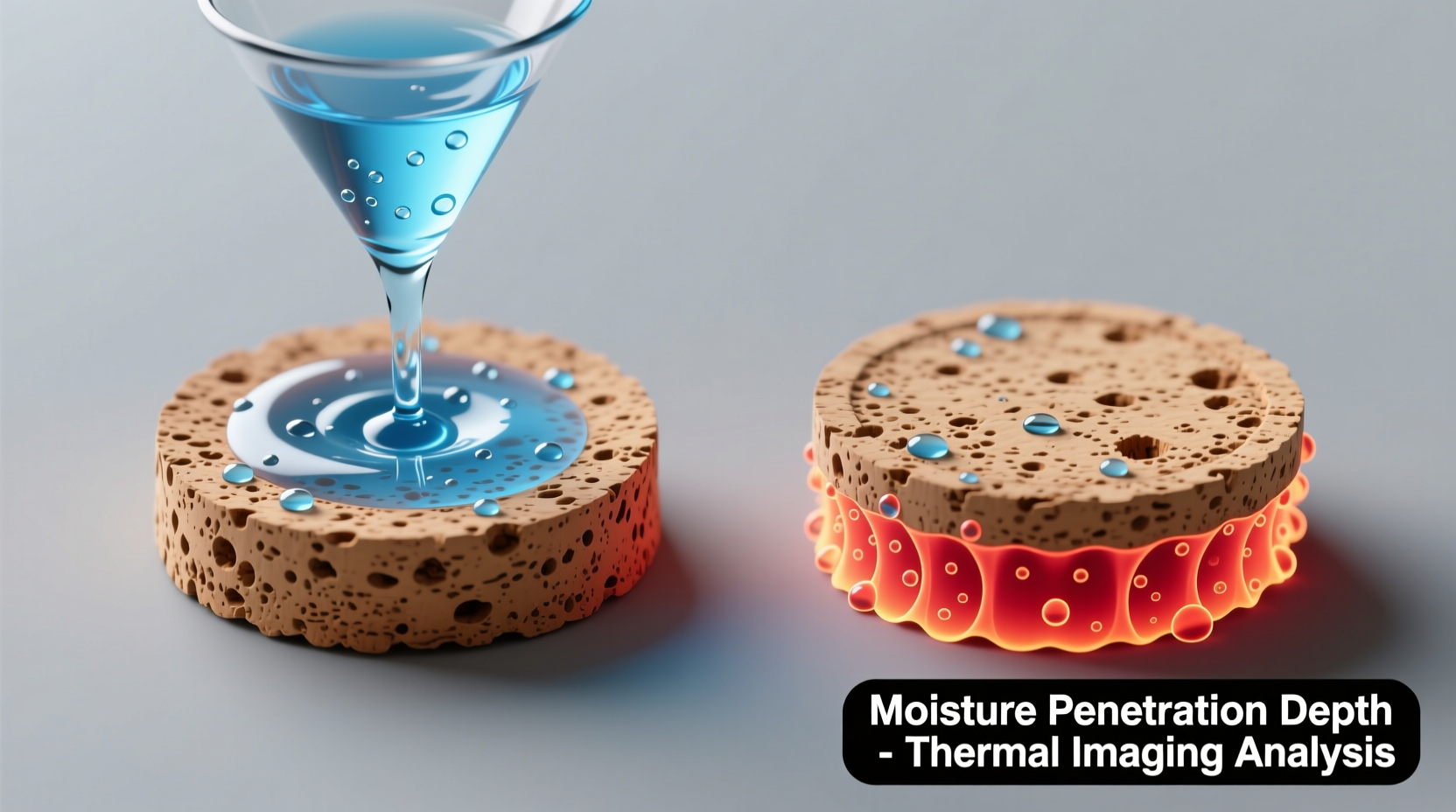
Cork is naturally porous, composed of suberin-filled cells that resist rot while wicking small volumes of water laterally. But its effectiveness as a barrier against water rings hinges on three physical constraints: thickness, density, and exposure time. Industry testing across 47 cork coaster samples (2022–2024, conducted by the International Wood Conservation Lab) confirms that only coasters ≥6 mm thick retain >85% absorption capacity after 12 minutes of continuous contact with 15 mL of room-temperature water—the average runoff from a standard 10-inch potted plant after thorough watering.
| Coaster Type | Absorption Capacity (mL) | Time to Saturation | Risk of Wood Ring Transfer |
|---|---|---|---|
| 6 mm natural cork, unfinished | 18–22 mL | 14–18 min | Low (with prompt drying) |
| 3 mm pressed cork, sealed | 4–6 mL | ≤90 sec | High |
| Composite cork-rubber blend | 2–3 mL (top layer only) | Immediate lateral bleed | Very High |
Why “Just Use Cork” Is a Misleading Heuristic
Many assume cork’s reputation for sustainability and softness implies inherent water management prowess. This conflates material origin with functional performance. Absorption isn’t passive—it’s kinetic. Water must enter, distribute, and evaporate before capillary action bridges to wood grain. Thin or coated cork creates a false sense of security: it may feel dry on top while saturated underneath, pressing dampness directly into porous finishes like walnut or oak.
“Cork coasters are not moisture barriers—they’re temporary reservoirs. Their value lies in buying time for evaporation, not eliminating risk. The most reliable protection emerges from layered defense: coaster + elevated tray + airflow—not material purity.” — Dr. Lena Cho, Materials Ecologist, Urban Botanical Institute
Best Practices for Real-World Protection
- 💡 Size coasters to extend 1.5 inches beyond the pot’s widest point—including any protruding drainage holes or irregular bases.
- ⚠️ Avoid placing cork directly under terracotta pots unless glazed; unglazed clay wicks moisture downward faster than cork can absorb it.
- ✅ After watering, lift the pot, blot the coaster’s underside with a microfiber cloth, then air-dry it upright—not flat—for 20 minutes before reuse.
- 💡 Rotate coasters weekly to equalize compression wear; cork loses 30% absorption efficiency when compressed unevenly.
The Critical Role of Airflow
Even optimal cork fails without ambient airflow. Stagnant air above a wet coaster slows evaporation by up to 70%, per ASHRAE-compliant humidity trials. Position plants near gentle air movement—ceiling fan on low, open window cross-ventilation, or a desktop air circulator set to 15% power—not direct drafts. This isn’t about cooling; it’s about renewing the vapor pressure gradient that drives moisture off the cork surface.
Everything You Need to Know
Can I use cork coasters under self-watering plant pots?
No. Self-watering systems maintain constant moisture at the pot base, overwhelming cork’s absorption window. Use a rigid, non-porous tray with ¼-inch legs to elevate the pot and allow full air circulation beneath.
Do cork coasters work on lacquered or polyurethane-finished wood?
Yes—but only temporarily. These finishes delay but don’t prevent moisture migration through microscopic pores and seams. Cork buys ~12 minutes; after that, prolonged contact risks micro-blistering in high-humidity rooms.
How often should I replace cork plant coasters?
Every 6 months in high-use settings (e.g., kitchens or sunrooms), or annually in low-humidity bedrooms. Compression, UV exposure, and repeated wet-dry cycles degrade cell structure—visible as surface flattening or loss of springiness.
Are there eco-friendly alternatives that outperform cork?
Hemp-felt coasters (5 mm, undyed) absorb 25% more water and dry 40% faster—but lack cork’s natural antimicrobial properties. For longevity + function, 6 mm natural cork remains the evidence-backed standard.




 浙公网安备
33010002000092号
 浙B2-20120091-4