
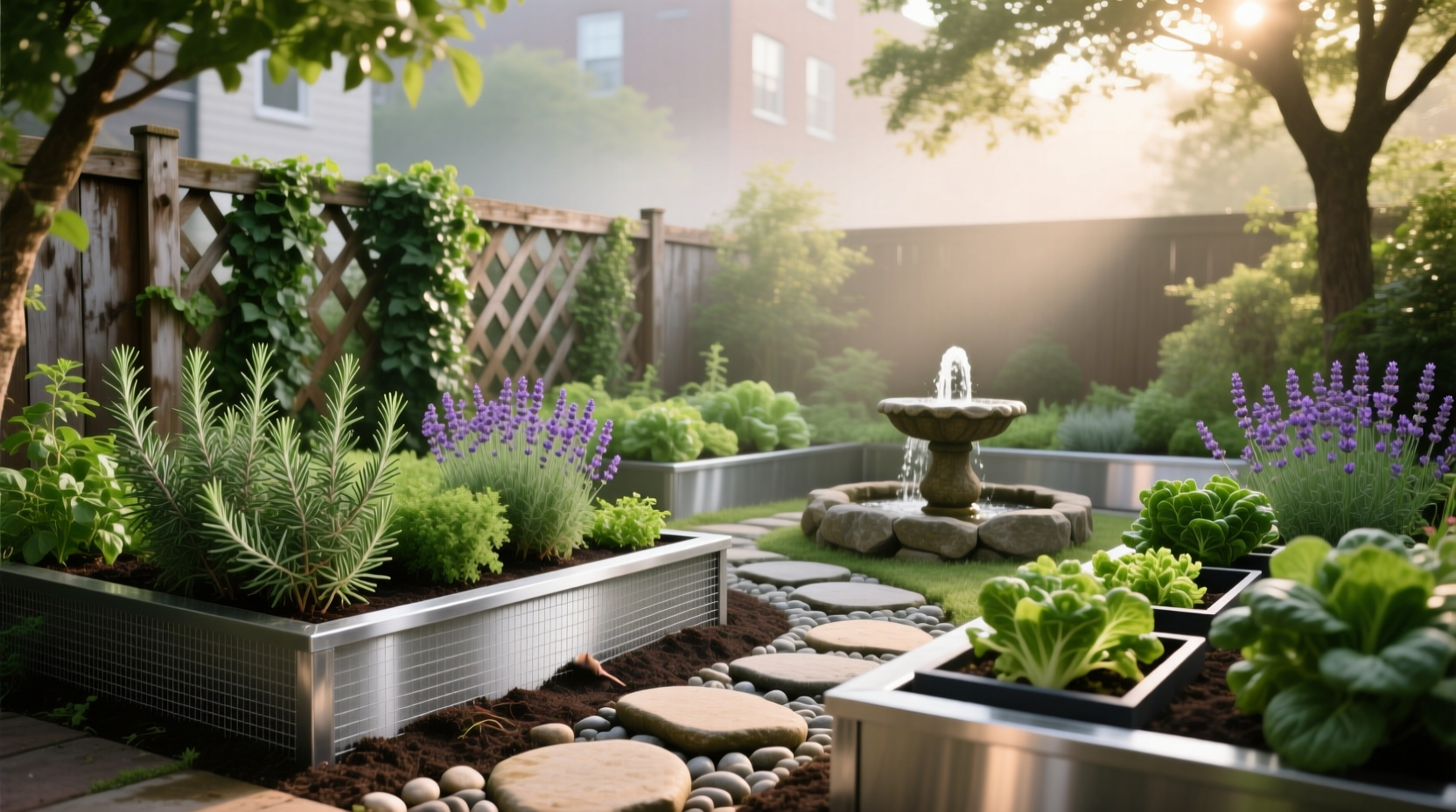
Why “Rat Proof” Is a Process, Not a Product
Many gardeners begin their search for a “rat proof garden” after noticing gnawed stems, disturbed soil, or burrow entrances near raised beds or compost bins. They then turn to ultrasonic devices, peppermint oil sprays, or “rat-repelling” plants like marigolds or mint—only to find damage continues. This frustration stems from a fundamental misconception: rats do not avoid gardens because of smell or taste alone. They inhabit spaces where three needs are reliably met: shelter, water, and food. Remove or deny access to two of these—especially shelter and food—and rat activity declines sharply. The term “rat proof” is therefore best understood as *ecological deterrence*: making your garden functionally unattractive and inaccessible through design and maintenance—not chemical warfare.
Research from the UK’s Centre for Ecology & Hydrology and USDA Wildlife Services confirms that rodent populations in urban and suburban landscapes respond most strongly to habitat modification—not repellents. In controlled trials, gardens with intact wire mesh barriers (0.25-inch galvanized hardware cloth) buried 12 inches deep and extended 6 inches above soil showed >92% reduction in rat incursions over 18 months, compared to adjacent plots using only surface-level deterrents. Repellents, by contrast, lost efficacy within days due to weathering, habituation, or insufficient coverage.
The Four Pillars of a Rat Proof Garden
A durable, long-term solution rests on four interdependent pillars. Skipping one undermines the others—even the strongest barrier fails if compost piles sit uncovered next to it.
1. Subsurface Exclusion: The Non-Negotiable Foundation
This is the single most effective intervention—and the one most often overlooked. Roof rats (Rattus rattus) and Norway rats (Rattus norvegicus) both dig, but Norway rats—the species most common in gardens, basements, and under decks—are prolific excavators. They routinely burrow 12–18 inches deep to nest, forage, and evade predators.
Actionable steps:
- Bury 0.25-inch galvanized hardware cloth (not chicken wire—rats chew through it in minutes) at least 12 inches deep around all raised beds, compost bins, and garden perimeters. Extend the top edge 6 inches above soil grade and bend it outward at a 90-degree angle (a “rat shelf”) to prevent climbing over.
- Line the bottom of raised beds with the same hardware cloth before adding soil—especially if beds sit directly on soil or gravel. Secure seams with stainless steel staples every 4 inches.
- For in-ground vegetable patches, install vertical underground barriers: trench 14 inches deep along borders and insert rigid 24-inch-high hardware cloth, backfilling firmly. Avoid plastic or wood edging—rats tunnel beneath them effortlessly.
- Seal all utility conduits, pipe entries, and gaps under sheds or patios with steel wool + caulk or expanding metal foam—not just caulk alone.
Common mistake to avoid: Using welded wire mesh with openings larger than ¼ inch. Rats squeeze through astonishingly small apertures—Norway rats can compress their ribcages to fit through holes as narrow as 0.5 inches. Always verify mesh size; “¼-inch” refers to the opening between wires, not wire thickness.
2. Above-Ground Barrier Integrity
Rats are exceptional climbers (roof rats scale brick, stucco, and vines with ease) and jumpers (up to 36 inches vertically). A subsurface barrier means little if the top edge is accessible.
Practical solutions:
- Cap all raised bed frames with smooth, non-grippable material: aluminum flashing (bent over edges), PVC trim, or smooth hardwood. Avoid rough-sawn lumber or textured stone coping.
- Install motion-activated sprinklers (e.g., Orbit Enforcer) aimed at known entry paths—not as a standalone fix, but as a secondary deterrent that interrupts foraging behavior without harming wildlife.
- Trim tree branches at least 6 feet away from roofs, fences, balconies, and garden structures. Roof rats use overhead routes to bypass ground-level barriers entirely.
- Secure lids on all compost tumblers and bins with bungee cords or sliding latches. Use only hot-composting methods (maintaining internal temps ≥131°F for 3+ days) to break down meat, dairy, and cooked food scraps safely—if you must include them.
3. Habitat Disruption: Removing Shelter & Nesting Sites
Rats seek dry, insulated, concealed spaces: dense ivy, stacked firewood, overgrown shrubbery, abandoned pots, and cluttered tool sheds. A tidy garden isn’t just aesthetic—it’s defensive.
Immediate actions:
- Cut back ivy, English holly, and other dense, low-growing evergreens within 3 feet of foundations, fences, and garden beds. Replace with open-structured perennials like lavender (Lavandula angustifolia), Russian sage (Perovskia atriplicifolia), or ornamental grasses (e.g., Panicum virgatum ‘Shenandoah’).
- Elevate firewood, lumber, and stored pots at least 12 inches off the ground on racks—never stack directly on soil or against walls.
- Remove debris piles, broken bricks, and unused containers weekly. Store tools in sealed plastic bins—not open wooden sheds with gaps.
- Mow lawns regularly and keep mulch layers ≤2 inches deep. Thick mulch (especially straw or shredded bark) provides ideal nesting cover and moisture retention for rats.
Crucially, avoid “rat condos”: stacked cinderblocks, hollow concrete pipes, or overturned wheelbarrows left idle. These offer perfect, undisturbed nesting cavities. If used for storage, seal all openings with hardware cloth and secure lids.
4. Food-Source Elimination & Smart Plant Selection
This pillar addresses what many assume is the main driver—but it’s only half the equation. While eliminating spilled birdseed, pet food, and unsecured compost is essential, plant choice matters more than folklore suggests.
Plants to limit or manage carefully:
- Sunflowers: Highly attractive due to abundant, oily seeds. Grow only in tightly secured, elevated feeders—or choose pollenless varieties (e.g., ‘Sunspot’) that produce no edible seed heads.
- Fruit-bearing shrubs & trees: Fallen apples, pears, figs, and berries draw rats. Harvest daily during fruiting season; pick up windfalls immediately; use netting to prevent drop. Consider sterile cultivars like ‘Athena’ pear or ‘Honeycrisp’ grafted on dwarf rootstock for easier cleanup.
- Root vegetables: Carrots, beets, and potatoes are frequently gnawed—not for nutrition, but because they’re easily accessed underground. Always grow them inside hardware-cloth-lined beds.
- Grains & corn: Avoid field corn, millet, and sorghum in home gardens unless grown strictly for ornamental use (e.g., ‘Black Magic’ sorghum) and harvested before seed set.
Plants that support a rat proof garden (not because they repel, but because they discourage activity):
- Lavender, rosemary, sage: Dense, aromatic foliage deters nesting—not via “repellency,” but because rats avoid areas with strong, persistent scents that mask predator cues. Plant in wide bands (3–4 ft) along perimeter beds.
- Yarrow (Achillea millefolium): Its finely dissected foliage offers little cover and dries quickly, reducing humidity preferred by rats.
- Ornamental alliums (e.g., ‘Globemaster’, ‘Purple Sensation’): Their papery, brittle foliage decomposes rapidly and provides no nesting material—unlike thick, fibrous hosta leaves.
- Creeping thyme (Thymus serpyllum): Forms tight, low mats that physically impede burrowing and expose tunneling rats to predators.
Myth busting: Mint, marigolds, and castor bean plants do not repel rats in field conditions. Studies from UC Davis Cooperative Extension found zero statistical difference in rat presence between plots planted with aggressive mint monocultures versus bare soil. Worse, mint’s dense rhizomatous growth creates ideal ground cover for concealment.
What Doesn’t Work—And Why
Wasting time and money on ineffective tactics delays real progress. Here’s what the evidence rejects:
- Ultrasonic repellents: Emit high-frequency sound beyond human hearing—but rats quickly habituate. Independent testing by Consumer Reports (2022) found no measurable reduction in rodent activity across 12 urban gardens over 10 weeks.
- Peppermint, eucalyptus, or ammonia sprays: Strong odors may briefly displace rats—but they simply move to adjacent untreated zones. Odors dissipate in rain or heat within hours, requiring daily reapplication—impractical and ecologically unsound.
- “Rat-repelling” companion planting: Interplanting basil with tomatoes or garlic with roses has no documented effect on rat behavior. Rats don’t forage by leaf volatiles—they follow scent trails of high-calorie foods (grains, fruits, nuts) and shelter cues.
- Traps alone (without exclusion): Trapping reduces local numbers temporarily but creates a vacuum—neighboring rats move in within days. Without sealing entry points, you’re managing symptoms, not cause.
- Chemical rodenticides in gardens: Extremely hazardous to owls, hawks, foxes, pets, and children. Secondary poisoning kills raptors that consume poisoned rats. Banned for outdoor residential use in the EU and increasingly restricted in U.S. states (CA, NY, MA).
Timing Matters: When to Act & What to Monitor
Prevention is always more effective than remediation—but timing amplifies impact.
Best windows for intervention:
- Early spring (March–April): Before breeding peaks. Inspect and reinforce barriers, clear winter debris, and prune shrubs before new growth conceals entry points.
- Midsummer (July–August): When juvenile rats disperse from nests. Monitor for fresh digging, droppings near foundations, or gnaw marks on irrigation hoses—early signs of establishment.
- Early fall (September): Before cooler weather drives rats indoors. Seal all exterior gaps, harvest fruit aggressively, and transition compost to hot methods.
Key indicators your strategy is working:
- No fresh burrow entrances (moist, loose soil mounds with smooth, compacted tunnels) appearing for 6+ weeks.
- No rat droppings (shaped like dark grains of rice, ¾ inch long) on paved surfaces, under decks, or near bins for 30 consecutive days.
- No gnaw marks on wooden planter edges, drip irrigation tubing, or PVC conduit.
- Increased sightings of rat predators: barn owls, red-tailed hawks, or neighborhood cats actively hunting near your property.
Special Considerations by Garden Type
Balcony & Container Gardens
Height doesn’t guarantee safety—roof rats scale drainpipes, trellises, and laundry lines. Prioritize:
- Lining all large containers (>12 inches deep) with hardware cloth before potting.
- Using smooth-sided, glazed ceramic or fiberglass pots—not porous terracotta or wooden crates.
- Storing empty pots upside-down; never stacked or leaning against railings.
- Installing a 4-inch-wide aluminum band around balcony railings and building columns to block climbing.
Indoor-Hydroponic & Sunroom Gardens
Rats enter via utility chases, dryer vents, and gaps around windows. Seal all penetrations with copper mesh + acoustical sealant. Keep hydroponic reservoirs covered and nutrient solutions changed weekly—stagnant, sugary water attracts rats seeking hydration.
Community Gardens
Success requires coordination. Advocate for shared infrastructure: centralized, rat-proof compost stations; communal tool sheds with sealed floors; and collective barrier installation along perimeter fencing. Individual efforts fail if adjacent plots remain unsecured.
Frequently Asked Questions
Can I make my compost rat proof?
Yes—if you use a sealed, rotating tumbler with tight-fitting, latch-secured lids and never add meat, dairy, cooked grains, or oily foods. Open piles, static bins, or worm farms without full metal screening will attract rats regardless of turning frequency.
Do snakes or owls help control rats in gardens?
Natural predators play a role—but only where habitat supports them. Installing owl boxes helps, but only if you also remove dense ground cover and maintain open lawn corridors. Garter snakes eat rat pups but avoid adult rats entirely. Relying solely on predators without exclusion is ineffective.
Will planting lavender or rosemary alone keep rats away?
No. These plants contribute to an inhospitable microclimate when used densely as perimeter hedges—but they cannot compensate for unsealed compost, loose mulch, or gaps under sheds. Think of them as supportive players, not lead actors.
How deep do I really need to bury hardware cloth?
Minimum 12 inches for Norway rats; 18 inches in areas with documented heavy infestation or clay soils that encourage deeper burrowing. Always extend 6 inches above grade and bend outward. Deeper is better—but consistency of coverage matters more than incremental depth beyond 18 inches.
What should I do if I already see active burrows?
First, confirm activity: sprinkle flour or dust near entrances and check for fresh tracks at dawn. If active, place a live-capture trap (e.g., Havahart) baited with peanut butter at the burrow mouth—after installing barriers on all other sides. Once captured, relocate rats >2 miles away per local wildlife regulations—and immediately seal the burrow with hardware cloth and soil. Do not flood or fumigate burrows: this stresses rats into creating new, harder-to-find tunnels.
Building a rat proof garden is neither mysterious nor unattainable. It demands attention to physics (gap size), ecology (food/shelter dynamics), and consistency (daily sanitation, seasonal inspection). There are no shortcuts—but every hardware cloth staple driven, every branch trimmed, every compost lid secured compounds into lasting resilience. Your garden won’t become a fortress. It will become something more valuable: a balanced, observable ecosystem where rats have no functional reason to stay. That’s not pest control. That’s intelligent stewardship.
Start this week—not next season. Measure your raised beds. Buy ¼-inch hardware cloth. Clear that pile of bricks by the fence. The most rat proof garden isn’t the one that looks perfect. It’s the one where intention meets implementation, day after day. And the first harvest you’ll reap isn’t tomatoes or basil—it’s peace of mind, rooted in action, not hope.
Remember: Rats don’t vanish because you wish them gone. They leave because your garden no longer serves their survival. Design for that truth—and watch resilience grow, season after season.




 浙公网安备
33010002000092号
 浙B2-20120091-4