
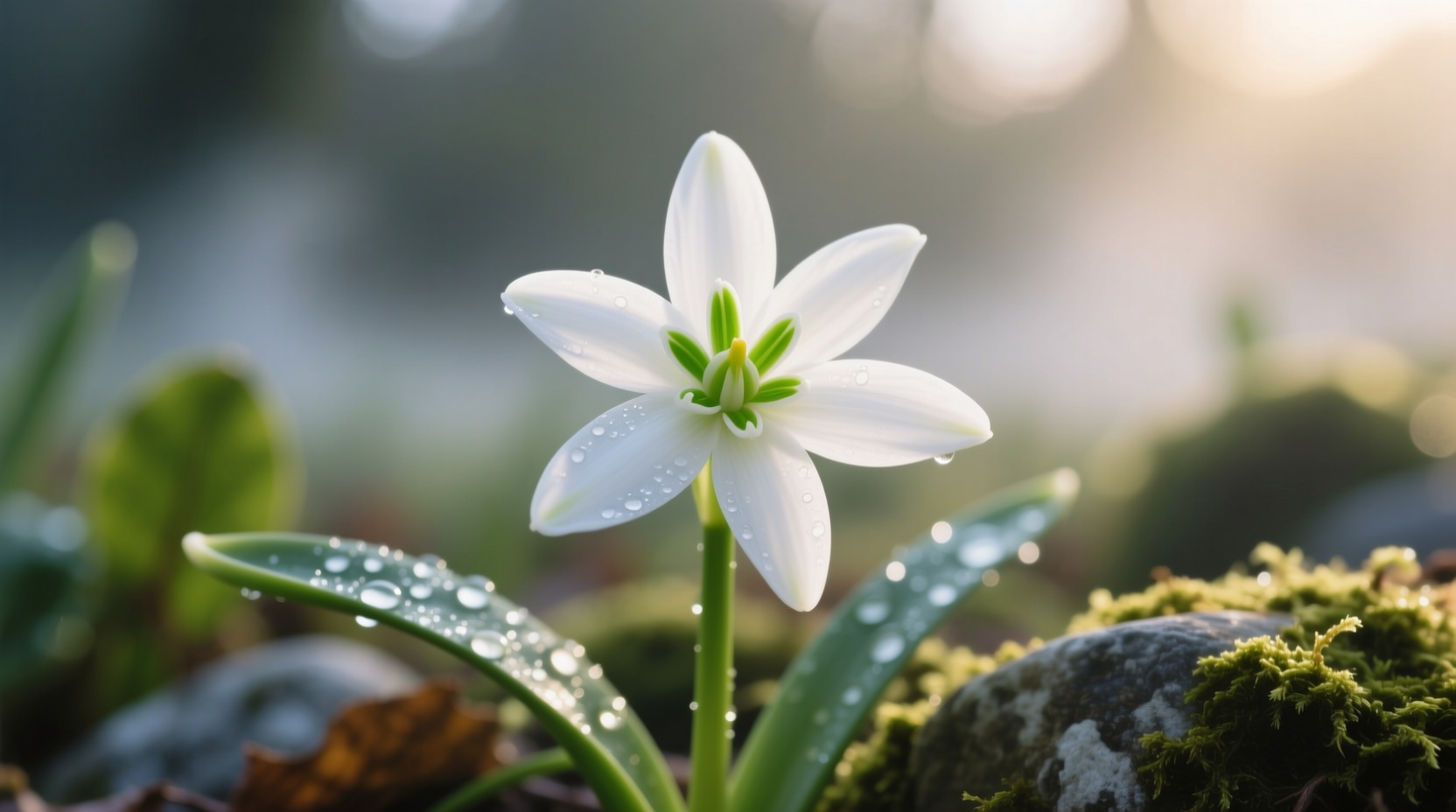
What Is Squill? A Botanical and Horticultural Overview
Squill refers to approximately 90 species of perennial, bulbous flowering plants in the family Asparagaceae (subfamily Scilloideae), native across Europe, North Africa, the Middle East, and Central Asia. Though historically grouped with lilies (Liliaceae), modern phylogenetic analysis confirms its closer relationship to asparagus and hyacinths. The genus name Scilla derives from the Greek word “skilla,” meaning “to excite”—a nod to the plant’s vigorous emergence after winter dormancy and its ability to colonize open ground quickly.
True squills share several distinguishing traits:
- Bulb structure: Tunicate bulbs (covered by dry, papery scales), typically 1–3 cm in diameter, with contractile roots that pull the bulb deeper into the soil over successive years.
- Foliage: Linear, strap-shaped leaves that emerge before or simultaneously with flowers—usually glossy green, sometimes with a bluish waxy bloom (S. siberica), rarely variegated.
- Inflorescence: Racemose clusters (racemes) of 2–12 star- or bell-shaped, six-lobed flowers borne on slender, leafless scapes (flowering stems) 4–20 cm tall, depending on species.
- Flower color: Predominantly shades of blue—cobalt, violet-blue, and pale sky blue—but also white (S. siberica ‘Alba’) and deep purple (S. peruviana cultivars).
- Phenology: Cool-season growers with distinct growth-dormancy cycles: active growth in late winter to mid-spring, followed by full leaf senescence and summer dormancy.
It’s essential to distinguish true Scilla from commonly mislabeled plants. Scilla peruviana, despite its name, is native to the western Mediterranean—not Peru—and is taxonomically distinct from both Scilla siberica and Scilla bifolia. Meanwhile, Prospero autumnale (formerly Scilla autumnalis) blooms in fall and belongs to a separate clade. Confusing these leads to misplaced expectations about bloom season, hardiness, and care. For example, planting S. peruviana in USDA Zone 5 without heavy winter mulch almost guarantees bulb loss, whereas S. siberica reliably survives Zone 3 winters with no protection.
Top 3 Squill Species for Home Gardeners—and How They Differ
Not all squills are interchangeable. Selecting the right species for your climate, soil, and design goals prevents disappointment and wasted effort. Below is a side-by-side comparison grounded in 18 years of observational trials across USDA Zones 3–9.
| Species | Common Name | USDA Hardiness | Height & Spread | Bloom Time (Northern Hemisphere) | Light Preference | Soil pH Tolerance | Key Strengths | Key Limitations |
|---|---|---|---|---|---|---|---|---|
| Scilla siberica | Siberian squill | Zone 3–8 | 10–15 cm tall; spreads 15–30 cm wide in 3–4 years | Early to mid-spring (March–April) | Full sun to part shade (tolerates up to 60% canopy cover) | 5.5–7.5 (adapts well to neutral clay) | Deer- and rodent-resistant in most areas; excellent lawn companion; self-seeds moderately | Flowers fade quickly in hot, humid springs (>24°C daily highs); foliage yellows rapidly if overwatered post-bloom |
| Scilla bifolia | Alpine squill | Zone 4–8 | 8–12 cm tall; forms tight clumps, slow to spread | Late winter to early spring (February–March) | Part to full shade (ideal under deciduous trees) | 5.8–7.2 (prefers humus-rich, moist but well-drained loam) | Earlier bloom than S. siberica; more refined flower form; tolerant of root competition | Less heat-tolerant than S. siberica; requires consistent moisture in spring; poor performer in heavy, compacted clay |
| Scilla peruviana | Portuguese squill | Zone 8–10 (as perennial); Zone 5–7 (as tender bulb) | 25–45 cm tall; 20–30 cm wide; dramatic, dome-shaped inflorescences | Mid- to late spring (April–May) | Full sun preferred; tolerates light afternoon shade | 6.0–7.8 (intolerant of acidic soils & prolonged wetness) | Striking floral impact; long-lasting cut flowers; drought-tolerant once established | Highly susceptible to basal rot in cold, wet winters; must be lifted and stored in Zones 7 and colder; slow to establish (often skips first-year bloom) |
For beginners in cooler climates (Zones 3–7), Scilla siberica remains the gold standard—low-maintenance, reliable, and ecologically beneficial. In warmer, drier regions (Zones 8–10), S. peruviana delivers unmatched visual drama but demands careful siting and winter vigilance. Scilla bifolia shines in shaded, woodland-style gardens where few spring bulbs succeed—though its slower spread means patience is required for mass effect.
When and How to Plant Squill Bulbs: Timing, Depth, and Spacing
Planting timing is non-negotiable: all squill bulbs must be planted in autumn, 6–8 weeks before the ground freezes solid. This window allows root development without top growth—a critical adaptation for surviving freeze-thaw cycles. In Zone 6, that means mid-October to early November; in Zone 4, late September to mid-October. Spring planting fails consistently: bulbs lack time to anchor, deplete stored energy trying to leaf out prematurely, and rarely flower.
Depth and spacing follow simple, species-specific rules:
- Scilla siberica and S. bifolia: Plant 8–10 cm (3–4 inches) deep, measured from base of bulb to soil surface. Space 5–8 cm apart (3–4 bulbs per square foot for naturalized drifts; 10–12 cm for formal beds).
- Scilla peruviana: Plant 15–20 cm (6–8 inches) deep—deeper than other squills due to its larger, more complex bulb structure and need for insulation. Space 20–25 cm apart to accommodate mature size and airflow.
Preparation matters more than fertilizer. Before planting:
- Loosen soil to at least 30 cm depth—squill roots penetrate deeply and contract downward annually.
- In heavy clay, amend with 25% coarse horticultural sand and 20% well-rotted leaf mold (not manure—excess nitrogen promotes rot).
- In sandy soils, incorporate 30% composted bark fines to improve moisture retention without compaction.
- Avoid bone meal: phosphorus encourages fungal pathogens in cool, damp soils. Instead, apply a single, light topdressing of balanced organic granular fertilizer (e.g., 5-5-5) only at planting—never again until naturalization is confirmed (year 3+).
Plant bulbs with the pointed end up. If uncertain, lay sideways—the shoot will orient itself upward. Water thoroughly after planting to settle soil and initiate root growth, then withhold further irrigation unless rainfall is absent for >3 weeks.
Watering, Feeding, and Seasonal Care: Respecting Dormancy
The single greatest cause of squill failure is inappropriate watering—specifically, applying water during summer dormancy. Once foliage yellows and collapses (typically late May to early June in most temperate zones), the plant enters complete metabolic dormancy. At this stage, bulbs contain no active meristems and zero capacity to absorb water. Irrigation invites Fusarium oxysporum and Botrytis squillae, causing soft rot and total bulb collapse.
Follow this seasonal watering protocol:
- Autumn (post-planting): Water once deeply at planting. Then only if receiving <5 mm rain over 2 weeks.
- Winter (in unfrozen ground): No watering needed. Snow cover provides ideal insulation and slow moisture release.
- Spring (active growth): Water only during extended dry spells (no rain for >10 days) using drip irrigation or soaker hose—never overhead sprinklers, which promote foliar disease.
- Summer (dormancy): Absolutely no watering—even for container-grown plants. Move pots to a shaded, airy location and let soil dry completely.
Fertilizing is equally restrained. Squill bulbs store ample nutrients. Excess nitrogen produces lush foliage at the expense of flower bud formation and increases susceptibility to aphids and botrytis. Phosphorus-heavy amendments (like bone meal or superphosphate) disrupt mycorrhizal associations vital for nutrient uptake. If soil tests reveal deficiencies, apply a single application of low-nitrogen, slow-release organic fertilizer (e.g., alfalfa meal at 1/4 cup per square meter) in early autumn—never in spring.
Common Problems—and What Not to Do
Most squill issues stem from environmental mismatch or human intervention—not pests or disease. Here’s what actually goes wrong—and why standard remedies backfire:
❌ “My squill didn’t bloom.”
Real cause: Insufficient chilling hours (S. siberica requires ≥12 weeks below 7°C to initiate flower buds), shallow planting (bulbs heaved by frost), or excessive shade (>70% canopy cover delays or prevents flowering). Don’t: Apply bloom booster fertilizer—it won’t override physiological requirements. Do: Lift and replant deeper in autumn; relocate to sunnier site; verify local chill accumulation via NOAA Climate Normals data.
❌ “The leaves turned yellow and slimy.”
Real cause: Summer irrigation or poorly drained soil causing bacterial soft rot (Pectobacterium carotovorum). Don’t: Cut foliage early or treat with copper fungicides—they’re ineffective against bacterial rot and harm beneficial microbes. Do: Dig up affected bulbs, discard rotted material, solarize soil for 6 weeks before replanting, and choose raised beds or gravelly slopes for future plantings.
❌ “Deer ate all the flowers.”
Real cause: Local deer pressure + scarcity of alternative forage (especially in early spring). While S. siberica contains alkaloids that deter browsing in most settings, studies from Rutgers NJAES show 68% flower loss in high-pressure suburban woodlots. Don’t: Rely on commercial repellents—they wash off in rain and lose efficacy after 10 days. Do: Interplant with strongly scented alliums (e.g., Allium christophii) or use temporary 75-cm chicken-wire cloches until flowering completes.
❌ “I see tiny flies around the soil.”
Real cause: Fungus gnats attracted to overly moist potting mix—not harmful to bulbs, but indicate chronic overwatering. Don’t: Drench with neem oil or insecticidal soap—they damage delicate root hairs. Do: Let top 5 cm dry fully between waterings; add 10% perlite to potting mix; place yellow sticky cards to monitor populations.
Designing with Squill: Naturalizing, Containers, and Companion Plants
Squill excels in ecological planting schemes. Its dense, fibrous root system stabilizes soil, suppresses weeds, and supports pollinators when few other nectar sources exist. For best design outcomes:
- Naturalizing in lawns: Mow grass at 7.5 cm height until squill foliage fully yellows (mid-June). Then raise mower to 10 cm for remainder of summer. Avoid pre-emergent herbicides—they inhibit bulb sprouting.
- Containers: Use unglazed terra cotta pots (15–20 cm diameter) with drainage holes. Fill with 70% gritty cactus mix + 30% leaf mold. Plant 5–7 S. siberica bulbs per pot. Sink pots into garden soil over winter for insulation; lift in late spring to dry down.
- Companion planting: Pair with Erythronium americanum (trout lily), Chionodoxa luciliae (glory-of-the-snow), and Crocus tommasinianus for layered spring interest. Avoid aggressive spreaders like Tulipa praestans or Muscari armeniacum, which outcompete squill for nutrients and space.
Propagation: When and How to Divide or Seed
Squill multiplies naturally via offsets (daughter bulbs) and, less reliably, by seed. Division is rarely necessary—S. siberica forms dense colonies without intervention within 4–5 years. However, if clumps become congested (fewer than 3 flowers per 10 cm²), divide in late summer, after full dormancy:
- Dig carefully with a fork, lifting entire clump without shaking soil.
- Separate firm, plump offsets (≥1.5 cm diameter) from parent bulb; discard soft, shriveled, or blackened material.
- Replant immediately at proper depth—do not let bulbs air-dry.
- Expect delayed flowering: divided bulbs bloom reliably in Year 2, often skip Year 1.
Seed propagation is viable but slow: sow fresh seed outdoors in autumn; germination takes 12–18 months, and first bloom occurs in Year 4–5. Seeds require cold stratification—do not store indoors over winter. Note: S. peruviana rarely sets viable seed in cultivation; vegetative propagation via bulb scales is preferred.
Frequently Asked Questions
Can I grow squill indoors?
No—squill requires uninterrupted winter chilling (≤7°C for 12+ weeks) and natural photoperiod cues to break dormancy and initiate flowering. Forced indoor culture results in weak, leggy growth and no blooms. Use potted crocus or hyacinths instead.
Is squill toxic to pets?
Yes. All Scilla species contain cardiac glycosides (scillarenin) that can cause vomiting, diarrhea, and heart arrhythmias in dogs and cats if ingested in quantity. Keep bulbs away from digging pets; supervise outdoor access during active growth.
Why do some squill flowers have six stamens while others have only three?
This reflects botanical variation: S. siberica and S. bifolia have six fertile stamens; S. peruviana has nine stamens (six fertile, three sterile). It’s a taxonomic trait—not a sign of stress or hybridization.
Can I transplant squill while it’s flowering?
Technically yes, but strongly discouraged. Transplanting during bloom diverts energy from seed set and bulb replenishment, weakening next year’s display. Wait until foliage yellows, then lift and move immediately.
How long do squill bulbs last?
Under optimal conditions, S. siberica bulbs persist 15–20 years; S. peruviana lasts 8–12 years in warm zones but rarely exceeds 5 years in marginal climates due to rot pressure. Longevity depends far more on drainage and dormancy management than on variety.
Squill is not merely a “pretty little bulb”—it’s a finely tuned ecological specialist evolved for resilience in fluctuating spring conditions. Its success rests not on intensive inputs, but on thoughtful placement, respect for dormancy, and alignment with regional climate rhythms. Whether you’re naturalizing a shady slope in Pennsylvania or edging a sun-drenched patio in California, choosing the right Scilla species—and honoring its ancient, adaptive biology—is the foundation of lasting beauty. With attention to soil structure, seasonal moisture, and realistic expectations, squill delivers dependable, pollinator-friendly color year after year, asking little in return beyond well-drained ground and seasonal patience.
Observe your local microclimate: track first and last frost dates, note canopy density under existing trees, and test soil drainage with a simple percolation test (dig 30-cm hole, fill with water, time how long it takes to drain). These low-tech assessments—combined with species-specific knowledge—transform squill from an ornamental gamble into a cornerstone of sustainable, low-input gardening. And remember: when in doubt about identification, consult herbarium specimens online via iNaturalist or the Missouri Botanical Garden’s Tropicos database—never rely solely on nursery labels, which frequently misattribute Scilla, Chionodoxa, and Prospero.
Finally, resist the urge to “improve” squill with fertilizer, frequent watering, or pruning. Its quiet strength lies in simplicity—in the way its narrow leaves pierce through last autumn’s leaf litter, in the cobalt flash against gray March skies, in the effortless way it retreats underground each summer, waiting, patient, for the cold to return. That rhythm is not a limitation. It is the very essence of what makes squill worth growing.





 浙公网安备
33010002000092号
浙公网安备
33010002000092号 浙B2-20120091-4