
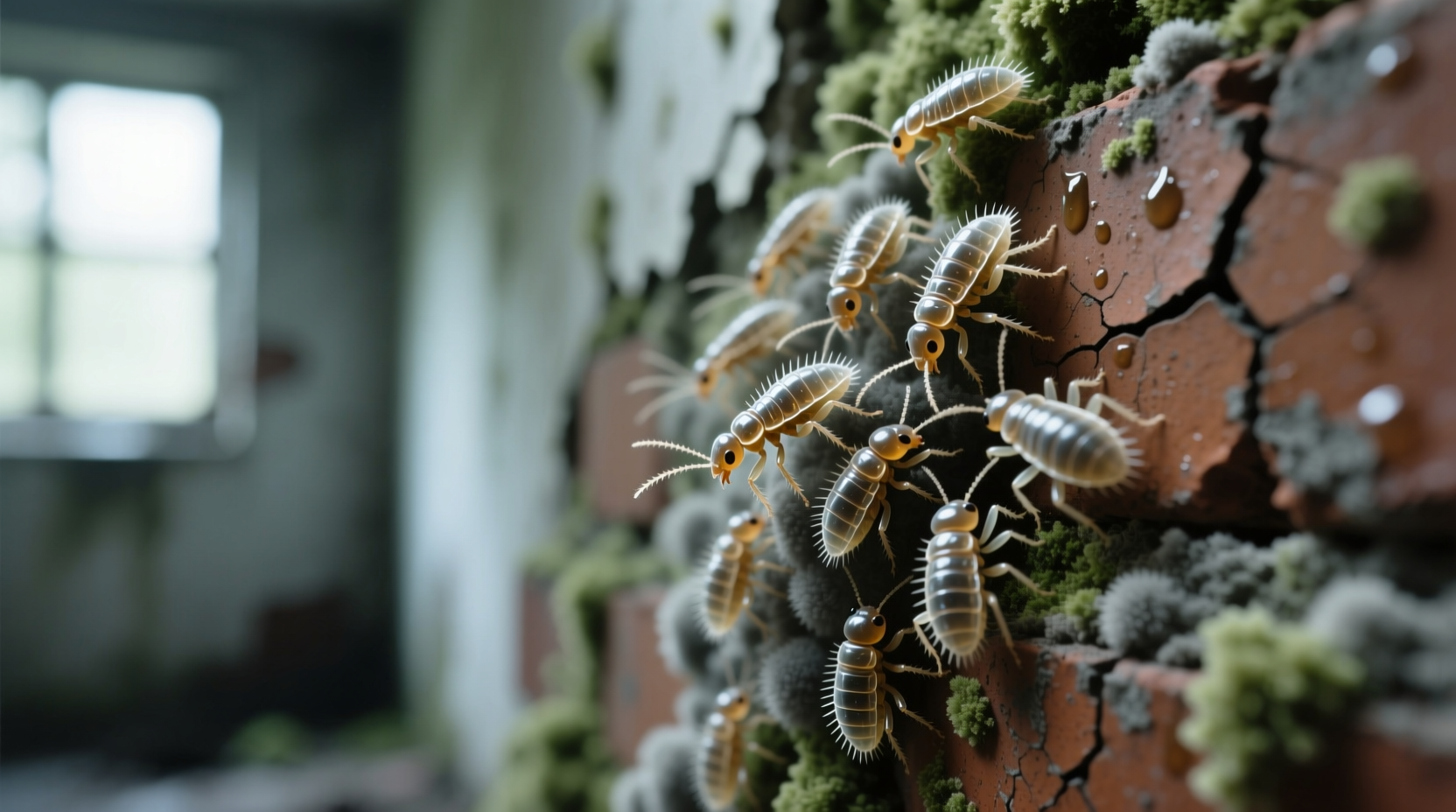
Why “Tiny Mildew Bugs” Is a Misleading Term—and Why It Matters
The phrase “tiny mildew bugs” appears frequently in online plant forums, social media posts, and even some gardening blogs—but it reflects a persistent diagnostic error rooted in visual association rather than biology. Mildew—whether powdery (Podosphaera, Erysiphe) or downy (Peronospora)—is caused by obligate parasitic fungi. These organisms lack mouths, digestive tracts, or mobility. They cannot crawl, jump, fly, or “infest” like insects. They colonize plant surfaces via airborne spores, germinate in moisture films, and siphon nutrients through specialized feeding structures called haustoria.
In contrast, the tiny, mobile creatures people mistake for “mildew bugs” belong to entirely different kingdoms—and require fundamentally different interventions:
- Whiteflies (Trialeurodes vaporariorum, Bemisia tabaci): Hemipterans that feed on phloem sap; excrete honeydew, which promotes sooty mold—not mildew—but is often mislabeled as “mildew residue.”
- Aphids (Aphis gossypii, Myzus persicae): Also phloem-feeders; cluster on new growth and leaf undersides; reproduce rapidly via parthenogenesis, enabling population explosions in under 7 days.
- Fungus gnats (Bradysia spp.): Dipterans whose larvae live in moist organic soil, feeding on fungal hyphae and root hairs; adults do not feed on plants but indicate chronically saturated substrate—a key risk factor for root rot and foliar mildew.
This confusion isn’t semantic nitpicking—it’s operationally dangerous. Spraying sulfur-based fungicides on aphids does nothing to stop feeding or reproduction. Drenching soil with insecticidal soap kills zero fungus gnat larvae (soap breaks down on contact and doesn’t penetrate soil). And misting leaves to “wash off mildew bugs” only spreads fungal spores and increases leaf wetness—fueling mildew development. Precision starts with correct naming.
How to Identify Which Pest You’re Actually Dealing With
Accurate ID requires systematic observation—not just a glance. Follow this field protocol:
Step 1: Observe Behavior and Location
- Whiteflies: When you brush a leaf, dozens of tiny white insects lift off in a cloud, then settle again within seconds. They congregate almost exclusively on the underside of mature leaves. No webbing. No visible eggs unless magnified.
- Aphids: Clumped tightly on tender new shoots, curled leaf tips, or flower buds. Often accompanied by sticky residue (honeydew) and black sooty mold. May be attended by ants. Eggs (if present) are shiny, oval, and black—overwintering on stems or bark.
- Fungus gnats: Adults hover weakly near soil surface or pot edges; they do not land on foliage. Larvae are translucent, worm-like, with shiny black heads—visible only if you gently scrape the top ½ inch of soil with a spoon and hold it against light.
Step 2: Use Magnification and Contrast
Invest in a simple 10× pocket loupe ($8–$15). Place a white index card beneath infested leaves and tap firmly. Then examine the card:
- White, triangular, fast-flying specks = whiteflies.
- Green, red, or black slow-crawling dots = aphids.
- Small, dark, slender, non-flying specks that skitter sideways = fungus gnat adults.
Step 3: Check Soil Moisture and Texture
Fungus gnat presence strongly correlates with overwatering. Stick your finger 1 inch into the soil—if it feels damp or cool, and the top layer hasn’t crusted or cracked, you’re creating ideal larval habitat. Whiteflies and aphids, however, prefer warm, dry air—even on overwatered plants—as long as foliage stays relatively dry.
Effective, Non-Toxic Control Strategies—By Pest Type
Chemical pesticides are rarely necessary—and often counterproductive—for these pests in home settings. Integrated, physical, and biological methods deliver faster, safer, longer-lasting results.
For Whiteflies
- Yellow sticky traps: Hang two 4×6-inch cards per large plant (e.g., fiddle-leaf fig, tomato vine) at leaf height. Replace weekly. Captures adults before egg-laying.
- Targeted water spray: Use a sharp, focused jet from a spray bottle (not a hose) to dislodge nymphs and eggs from leaf undersides—early morning only, so foliage dries within 90 minutes.
- Neem oil foliar spray: Apply at dusk (to avoid phototoxicity) at 0.5% concentration (1 tsp cold-pressed neem oil + ½ tsp mild liquid soap + 1 quart water). Spray undersides thoroughly. Repeat every 5 days for three applications—timing coincides with nymph molting cycles.
For Aphids
- Isopropyl alcohol swab: Dip a cotton swab in 70% isopropyl alcohol and dab individual colonies. Kills on contact, evaporates quickly, no residue. Ideal for small infestations on succulents, orchids, or bonsai.
- Soapy water immersion: For small potted plants (e.g., basil, mint, spider plant), submerge entire above-soil portion in room-temp soapy water (1 tsp Castile soap per quart) for 15 seconds. Gently shake off excess. Repeat in 4 days.
- Ladybug introduction (outdoors only): Release Hippodamia convergens at dusk near heavy infestations—but only if temperatures exceed 65°F and aphids are present. Indoor releases fail: ladybugs fly toward light and leave within hours.
For Fungus Gnats
- Allow top 2 inches of soil to dry completely between waterings. This alone eliminates >90% of larval survival. Use a moisture meter (not finger-test) for accuracy—especially in peat-based mixes that feel dry on top but stay soggy below.
- Apply Bti (Bacillus thuringiensis israelensis) as a soil drench. Sold as Mosquito Bits® or Gnatrol®. Mix 1 tsp granules per quart water; apply until soil is saturated. Bti produces toxins lethal only to dipteran larvae—safe for humans, pets, earthworms, and beneficial microbes.
- Top-dress with sand or diatomaceous earth (DE). A ¼-inch layer of horticultural-grade DE or coarse silica sand creates a physical barrier that desiccates emerging adults and discourages egg-laying. Reapply after watering.
What NOT to Do—Common Mistakes That Worsen the Problem
Well-intentioned actions often backfire. Avoid these five high-risk practices:
- Misting foliage daily: Increases humidity and leaf wetness—ideal for both powdery mildew spore germination and whitefly egg viability. Reserve misting for true humidity lovers (e.g., calathea, fittonia) and only in well-ventilated spaces with strong air movement.
- Using vinegar sprays: Acetic acid disrupts plant cuticles, causes leaf burn, and alters soil pH unpredictably. It has no proven efficacy against any of these pests—and harms beneficial microbes.
- Over-applying neem oil: More is not better. Concentrations above 1% cause phytotoxicity—especially on thin-leaved plants (e.g., impatiens, begonias). Never spray in full sun or temperatures above 85°F.
- Ignoring drainage: A pot without functional drainage holes—or one sitting in a saucer full of water—is the single strongest predictor of fungus gnat outbreaks. Elevate pots on feet or use double-potting with gravel-filled outer containers.
- Bringing infested store-bought plants directly into your collection: Quarantine all new plants for 14 days away from existing specimens. Inspect weekly with loupe and sticky cards. This prevents introducing resistant strains—especially problematic with greenhouse-raised whiteflies now showing neem tolerance.
Prevention: Building Resilience, Not Just Reacting
Long-term success lies in modifying the environment—not just killing bugs. Think in terms of thresholds, not eradication:
- Airflow is non-negotiable: Run a small oscillating fan on low setting 2–4 hours daily near indoor plant groupings. Outdoors, space container plants at least 12 inches apart. Air movement reduces leaf surface moisture, disrupts insect flight, and inhibits fungal spore settlement.
- Water deeply but infrequently: Soak soil until water runs freely from drainage holes, then wait until the top 1–2 inches are dry before watering again. Use pots with ample drainage—avoid self-watering systems for susceptible species (e.g., lavender, rosemary, cacti).
- Select resistant cultivars: Some varieties have natural defenses. ‘Powder Blue’ salvia, ‘Adagio’ zinnia, and ‘Jade’ coleus show documented resistance to powdery mildew. ‘Garden Sweet’ basil resists aphid colonization better than ‘Genovese’.
- Maintain plant vigor—not perfection: Slightly stressed plants (e.g., mildly under-fertilized tomatoes) often mount stronger biochemical defenses than overfed ones. Avoid excessive nitrogen, which promotes soft, succulent growth favored by aphids and whiteflies.
Species-Specific Nuances You Can’t Overlook
One-size-fits-all advice fails because host plant physiology dictates pest behavior and treatment tolerance:
- Succulents & Cacti: Highly vulnerable to overwatering → fungus gnats. But also sensitive to oils and soaps. Use only alcohol swabs or Bti drenches—never foliar sprays.
- Orchids (Phalaenopsis, Dendrobium): Whiteflies love their thick, waxy leaves. Avoid neem oil—it can block stomata. Prioritize yellow traps and precise water control. Never let sphagnum moss stay saturated.
- Tomatoes & Peppers (outdoor or balcony): Aphids vector viral diseases (e.g., cucumber mosaic virus). Remove infested leaves immediately—don’t just spray. Encourage lacewings and parasitic wasps with flowering herbs (dill, yarrow, alyssum) planted nearby.
- Ferns & Calatheas: Thrive in high humidity—but that same humidity invites fungus gnats and mildew. Use bottom-watering only, and place pots on pebble trays—not in standing water.
When to Seek Professional Help—or Accept Coexistence
Most infestations resolve within 2–3 weeks using the methods above. However, consult a certified arborist or extension agent if:
- You observe distorted growth, stunting, or chlorosis that persists after 4 weeks of correct treatment—indicating possible secondary infection or nutrient lockout.
- Infestation recurs monthly despite strict environmental controls—suggesting an untreated reservoir (e.g., adjacent outdoor shrubs, shared potting bench, contaminated compost).
- You identify pests outside the whitefly/aphid/gnat triad—such as scale insects (immobile, shell-like), thrips (silvery streaks + black fecal specks), or spider mites (fine webbing + stippled leaves). Each demands distinct protocols.
Also recognize ecological reality: low-level presence of fungus gnats in healthy soil is normal and even beneficial—they aid decomposition. The threshold for action is when adults exceed 5–10 per square foot of growing space, or larvae visibly damage roots (seen as brown, mushy tips during repotting).
Frequently Asked Questions
Are “tiny mildew bugs” harmful to humans or pets?
No. Whiteflies, aphids, and fungus gnats do not bite, transmit human disease, or carry pathogens harmful to mammals. They are plant-specific. However, their presence signals suboptimal growing conditions that may affect air quality (e.g., mold from overwatering) or trigger allergies in sensitive individuals.
Can I use dish soap instead of insecticidal soap?
No. Household dish detergents contain degreasers, fragrances, and sodium compounds that damage plant cuticles and salt the soil. Always use pure potassium salts of fatty acids (insecticidal soap) labeled for horticultural use—diluted to 1–2% concentration.
Why do my plants keep getting aphids every spring?
Aphids overwinter as eggs on perennial stems, weeds (e.g., milkweed, dogwood), or nearby fruit trees. Their explosive spring population growth coincides with tender new growth—and is amplified by lack of early-season predators. Begin monitoring in early March; release ladybugs only when aphids are already present and temperatures are stable above 65°F.
Does cinnamon really kill fungus gnats?
No peer-reviewed study supports cinnamon as a larvicide. While cinnamaldehyde has antifungal properties, it degrades rapidly in soil and shows no efficacy against Bradysia larvae in controlled trials. Rely on Bti, drying cycles, and physical barriers instead.
Can I eat vegetables sprayed with neem oil?
Yes—if applied correctly. Neem oil is OMRI-listed for organic food crops. Wait at least 7 days after last application before harvest, and rinse produce thoroughly under running water. Avoid spraying during bloom to protect pollinators.
Understanding that “tiny mildew bugs” don’t exist as a taxonomic group is the foundational insight that transforms reactive panic into calm, effective stewardship. It shifts focus from chasing a phantom pest to observing real organisms in real environments—and responding with precision, patience, and plant-centered science. Whether you’re nurturing a single pothos on a city balcony or managing a raised-bed vegetable garden, the principles remain constant: identify accurately, intervene intentionally, and prevent systemically. There is no shortcut—but there is profound satisfaction in watching a formerly infested monstera push out clean, unfurled leaves, knowing each one reflects not just absence of pests, but presence of balance.
That balance isn’t achieved by eliminating every insect or erasing every speck of fungal spore. It’s cultivated by respecting thresholds, honoring plant physiology, and working with—not against—the rhythms of air, water, and life in miniature ecosystems. The tiny creatures you see are messengers. Listen closely, and they’ll tell you exactly what your plants need—not what they lack.
Consistent observation remains your most powerful tool. Set aside five minutes each week—not to “check for bugs,” but to ask: Is the soil surface dry? Is air moving? Are new leaves emerging symmetrically? Are leaf undersides dust-free and cool to the touch? These quiet metrics reveal more than any magnified image ever could. And they turn uncertainty into authority—one calibrated response at a time.
Remember: Healthy plants resist pests. Resilient gardens absorb disruption. And the gardener who knows the difference between mildew and a bug? That gardener grows not just plants—but wisdom.
Now go look under a leaf. Bring the loupe. Take notes. And water only when the soil tells you to.





 浙公网安备
33010002000092号
浙公网安备
33010002000092号 浙B2-20120091-4