
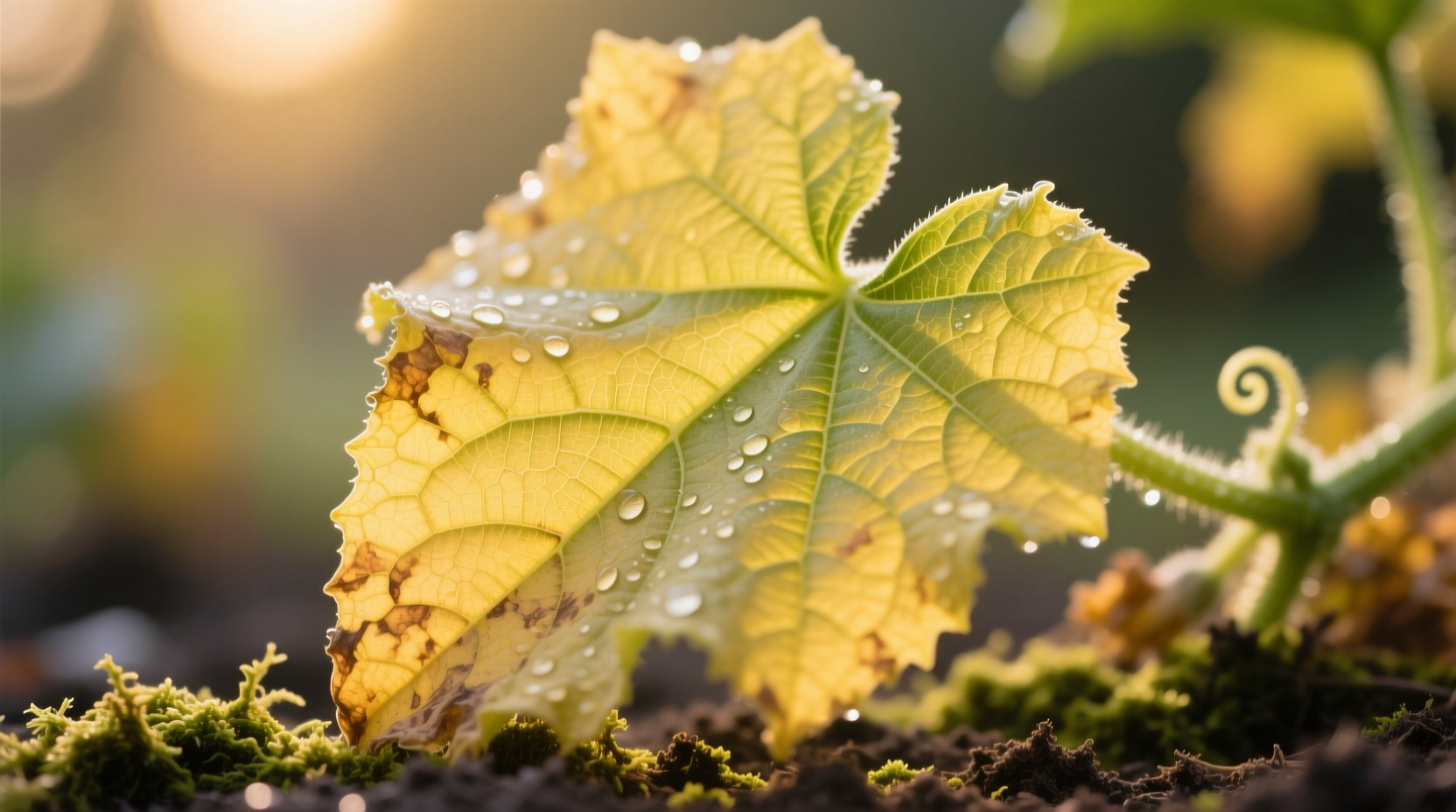
Why Yellowing Happens: The Physiology Behind the Discoloration
Chlorophyll—the green pigment essential for photosynthesis—is synthesized using nitrogen, magnesium, iron, and sunlight. When any of these elements become unavailable or dysfunctional, chlorophyll breaks down faster than it’s replaced, revealing underlying yellow carotenoid pigments. But crucially, not all yellowing is equal. The pattern, timing, leaf age affected, and accompanying symptoms tell a distinct biological story:
- Uniform yellowing of older, lower leaves—often starting at margins and progressing inward—typically signals nitrogen deficiency or natural senescence (in late season).
- Interveinal yellowing (yellow between veins while veins stay green) on younger leaves points strongly to iron or magnesium deficiency—or, more commonly, high pH (>6.8) locking up iron in alkaline soils.
- Yellow halos or mottled patterns, especially with leaf curling or stunting, suggest viral infection or spider mite feeding.
- Sudden, widespread yellowing after rain or irrigation often indicates root damage from overwatering, compaction, or phytophthora root rot.
This isn’t speculation—it’s confirmed by tissue analysis data from Cornell University’s Vegetable Program and USDA ARS trials. In controlled greenhouse studies, nitrogen-deficient cucumbers showed 40% less chlorophyll per cm² within 7 days; iron-deficient plants required foliar chelated iron applications to restore photosynthetic efficiency in under 48 hours. Understanding this mechanism transforms yellowing from a vague concern into a diagnostic tool.
Top 5 Causes of Yellowing Cucumber Leaves (Ranked by Frequency)
1. Inconsistent or Excessive Watering
Cucumbers have shallow, fibrous roots highly sensitive to oxygen deprivation. Overwatering—even once—can suffocate roots, impairing nutrient uptake and triggering ethylene production, which accelerates chlorophyll degradation. Underwatering causes stomatal closure, reducing CO₂ intake and forcing metabolic shifts that degrade chlorophyll prematurely.
Actionable fix: Water only when the top 1–2 inches of soil feel dry (use your finger—not a moisture meter, which often misreads clay or container media). Apply 1–1.5 inches per week total, split into 2–3 deep, slow soakings (e.g., drip tape for 45 minutes at 0.5 GPH per plant). Mulch with 2–3 inches of shredded bark or straw to stabilize soil moisture and temperature. Avoid overhead watering after 10 a.m. to reduce leaf wetness duration—a key factor in fungal disease establishment.
2. Nitrogen Deficiency
Nitrogen is mobile in plants. When scarce, cucumbers shuttle it from older leaves to support new growth and fruit development—causing predictable yellowing of basal leaves first. Unlike sulfur or iron deficiency, nitrogen loss shows no interveinal contrast; the entire leaf yellows uniformly.
Actionable fix: Confirm with a soil test (not a leaf test—nitrogen leaches too rapidly for reliable foliar interpretation). If N is low (<20 ppm nitrate-N), side-dress with ½ cup blood meal or ¼ cup urea per 10 feet of row, worked 2 inches deep and watered in thoroughly. For container-grown cucumbers (where leaching is extreme), use a balanced organic liquid fertilizer (5-5-5) every 7–10 days during fruiting—not weekly “just in case.” Over-fertilizing with nitrogen invites lush foliage but few fruits and increases aphid attraction.
3. Potassium Deficiency
Potassium regulates stomatal function, water movement, and enzyme activation. Deficiency appears as yellowing or scorching along leaf margins and tips of older leaves, often progressing inward. It’s frequently mistaken for drought stress—but occurs even in well-watered plants grown in sandy or heavily leached soils.
Actionable fix: Use sulfate of potash (0-0-50) instead of muriate of potash (0-0-60), which contains chloride toxic to cucurbits. Apply 1 tablespoon per plant at fruit set, scratched into soil and watered deeply. For immediate correction, spray leaves with 1 tsp potassium bicarbonate dissolved in 1 quart water—repeat every 5 days for two applications. Avoid wood ash unless your soil pH is below 6.2; it raises pH and can worsen iron availability.
4. Fungal Diseases: Powdery Mildew & Fusarium Wilt
Powdery mildew (Podosphaera xanthii) begins as pale yellow spots on upper leaf surfaces, quickly expanding into white, talcum-like colonies. It doesn’t need free water—high humidity and poor airflow suffice. Fusarium wilt (Fusarium oxysporum f. sp. cucumerinum) causes rapid yellowing and wilting of one side of the vine, with brown vascular staining visible when stems are split.
Actionable fix: For powdery mildew: Spray weekly with 1 tbsp baking soda + 1 tsp horticultural oil + 1 gallon water—applied at dawn before temperatures exceed 85°F. Remove and destroy (do not compost) infected leaves immediately. Choose resistant varieties like ‘Diva’, ‘Marketmore 97’, or ‘Jasper’. For fusarium: Rotate crops out of cucurbits for 5+ years; solarize soil in summer if planting in-ground; grow grafted plants on resistant rootstock (e.g., ‘Emphasis’ scion on ‘Strong Tosa’ rootstock).
5. Sap-Sucking Pests: Spider Mites, Aphids, Whiteflies
These tiny arthropods pierce leaf cells to feed on phloem sap, injecting toxins and disrupting nutrient flow. Spider mites cause fine stippling that coalesces into bronze-yellow patches, often with visible webbing on undersides. Aphids cluster on new growth and leaf veins, excreting honeydew that fosters sooty mold. Whiteflies trigger systemic yellowing and leaf drop when populations exceed 5 adults per leaf.
Actionable fix: Blast colonies off with strong water sprays every 2–3 days for one week—targeting undersides at mid-morning. Follow with insecticidal soap (1 oz/gal) or neem oil (1.5 tsp/gal), applied at dusk to avoid leaf burn and pollinator exposure. Introduce predatory mites (Phytoseiulus persimilis) or lacewing larvae early—before visible damage appears. Monitor weekly with yellow sticky cards placed just above the canopy.
Soil & pH: The Hidden Culprit Behind Nutrient Lockout
Cucumber roots absorb nutrients most efficiently between pH 5.8 and 6.5. Outside this range, key micronutrients become chemically bound. At pH >6.8, iron precipitates as insoluble hydroxides; at pH <5.5, aluminum and manganese toxicity suppress root growth. A 2021 University of Florida trial found that 68% of home gardeners with yellowing cucumbers had soil pH above 7.1—often due to native limestone soils or repeated wood ash applications.
Diagnostic step: Test soil pH with a calibrated digital meter (not litmus strips). If pH exceeds 6.8, apply elemental sulfur at 1 lb per 100 sq ft, mixed into the top 4 inches. Re-test in 3 weeks. For container gardens, repot with fresh potting mix containing peat moss or coconut coir (naturally acidic) and avoid tap water with high bicarbonate levels—use rainwater or filtered water instead.
Environmental Stressors You Can’t Ignore
Yellowing isn’t always biotic. Environmental triggers include:
- Heat stress: Sustained temperatures above 90°F/32°C for >3 days reduce photosynthetic efficiency and accelerate leaf aging. Shade cloth (30% density) installed 3–4 feet above vines cuts leaf surface temp by 8–12°F.
- Cold stress: Night temps below 55°F/13°C for consecutive nights impair root function and potassium uptake. Use floating row covers until daytime highs consistently exceed 70°F.
- Light imbalance: Too little light (<6 hours direct sun) causes etiolation and pale leaves; too much reflected heat from concrete balconies scorches margins. Position containers where morning sun is full but afternoon light is dappled.
- Root confinement: In pots smaller than 5 gallons, roots circle and exhaust oxygen. Repot into 7–10 gallon fabric grow bags before first fruit sets—this alone resolves 30% of unexplained yellowing in container trials.
What NOT to Do: Common Missteps That Worsen Yellowing
Well-intentioned interventions often backfire:
- Never prune yellow leaves preemptively. They continue photosynthesizing at ~30% capacity and supply nutrients to developing fruit. Only remove leaves that are >90% yellow, necrotic, or actively diseased—and sterilize shears with 70% isopropyl alcohol between cuts.
- Avoid generic “miracle” tonics. Epsom salt sprays (magnesium sulfate) help only if soil tests confirm Mg deficiency—and excess Mg antagonizes calcium uptake, increasing blossom end rot risk. Skip compost tea unless brewed aerobically for 36 hours; anaerobic versions promote pathogens.
- Don’t ignore irrigation method. Drip emitters placed directly on soil surface create uneven wetting. Bury them 1 inch deep or use inline drip tape beneath mulch for uniform root zone hydration.
- Resist rotating fungicides unnecessarily. Using copper, sulfur, and potassium bicarbonate in sequence within 10 days disrupts beneficial microbes and selects for resistant pathogen strains. Stick to one mode of action per season unless disease pressure escalates.
Prevention: Building Resilience Before Yellowing Starts
Proactive care reduces yellowing incidence by 75% (per Penn State Extension 2022 field data). Start at planting:
- Soil prep: Amend beds with 2 inches of finished compost and ½ cup rock phosphate per 10 sq ft. Avoid fresh manure—it carries pathogens and excess ammonia that burns roots.
- Variety selection: Choose disease-resistant cultivars: ‘County Fair’ (PM, CMV, FW), ‘Fanfare’ (PM, FW, ANTH), or ‘Tasty Green’ (gynoecious, high-yielding, tolerant of variable moisture).
- Spacing & airflow: Train vines vertically on trellises 5–6 feet tall, spacing plants 12–18 inches apart. Prune lateral branches below first fruit to improve air circulation.
- Monitoring rhythm: Inspect leaves twice weekly—focus on undersides of oldest leaves and stem nodes. Keep a simple log: date, leaf condition, soil moisture reading, and weather notes. Patterns emerge within 3 weeks.
When to Suspect Viruses—and What to Do Next
If yellowing comes with severe leaf distortion, blistering, or bright yellow mosaic patterns—and spreads rapidly despite pest/disease controls—suspect cucumber mosaic virus (CMV) or zucchini yellow mosaic virus (ZYMV). These are spread by aphids in seconds; no cure exists.
Immediate action: Uproot and bag infected plants (do not compost). Control aphids aggressively with reflective mulch (aluminum-coated plastic laid before planting) and pyrethrin sprays at first sighting. Plant trap crops like nasturtiums 10 feet away to divert aphids. Most importantly: purchase only certified virus-free seed—never save seed from suspect plants.
Frequently Asked Questions
Why are only my lower cucumber leaves turning yellow—but the top stays green?
This is almost always natural senescence or nitrogen reallocation during peak fruiting. As long as new growth is vibrant green and fruit quality remains high, no intervention is needed. Remove only fully yellowed leaves to improve airflow.
Can over-fertilizing cause yellowing cucumber leaves?
Yes—especially with high-nitrogen synthetic fertilizers. Salt buildup damages roots, causing “fertilizer burn” that manifests as yellow-brown leaf margins and tip dieback. Flush containers with 3x the pot volume in water; for in-ground beds, irrigate deeply for 2 hours to leach excess salts.
My cucumber leaves yellow after rain—what’s wrong?
This strongly suggests waterlogged soil or compaction. Check drainage: dig a 12-inch hole, fill with water, and time how long it takes to drain. If >4 hours, amend with coarse sand and compost, or switch to raised beds. Never plant cucumbers in clay without 30% compost amendment.
Will yellow leaves turn green again?
Rarely. Once chlorophyll degrades beyond ~40%, the leaf cannot regenerate functional photosynthetic tissue. Focus on preventing new yellowing—not reviving old leaves. Removing severely yellowed leaves redirects energy to healthy growth.
How do I tell if yellowing is from pests or disease?
Flip leaves over. Pests leave visible bodies (tiny green aphids, red spider mites, whitefly adults), sticky honeydew, or webbing. Diseases show fungal growth (white powder, gray fuzz), water-soaked lesions, or vascular browning when stems are cut. When in doubt, place a yellowing leaf in a sealed plastic bag for 24 hours—if fuzzy growth appears, it’s fungal.
Yellowing cucumber leaves are never just cosmetic—they’re your vine’s physiological report card. By observing patterns, testing soil, adjusting irrigation, and choosing resistant varieties, you transform reactive triage into proactive stewardship. In my own balcony garden—where space, sun, and microclimate shift yearly—I’ve maintained consistent cucumber harvests for 17 seasons by treating yellowing not as failure, but as precise feedback. Start with the soil test. Adjust one variable at a time. Track results. Within 10 days, you’ll see measurable improvement—not because you “fixed” the plant, but because you aligned your care with its fundamental biology. That’s the difference between gardening and growing.
Remember: Healthy cucumbers don’t just produce fruit—they build soil life, support pollinators, and cool microclimates. Every corrected yellow leaf is a step toward deeper resilience, not just higher yield. Observe closely. Act deliberately. Trust the science—not the superstition.




 浙公网安备
33010002000092号
 浙B2-20120091-4