
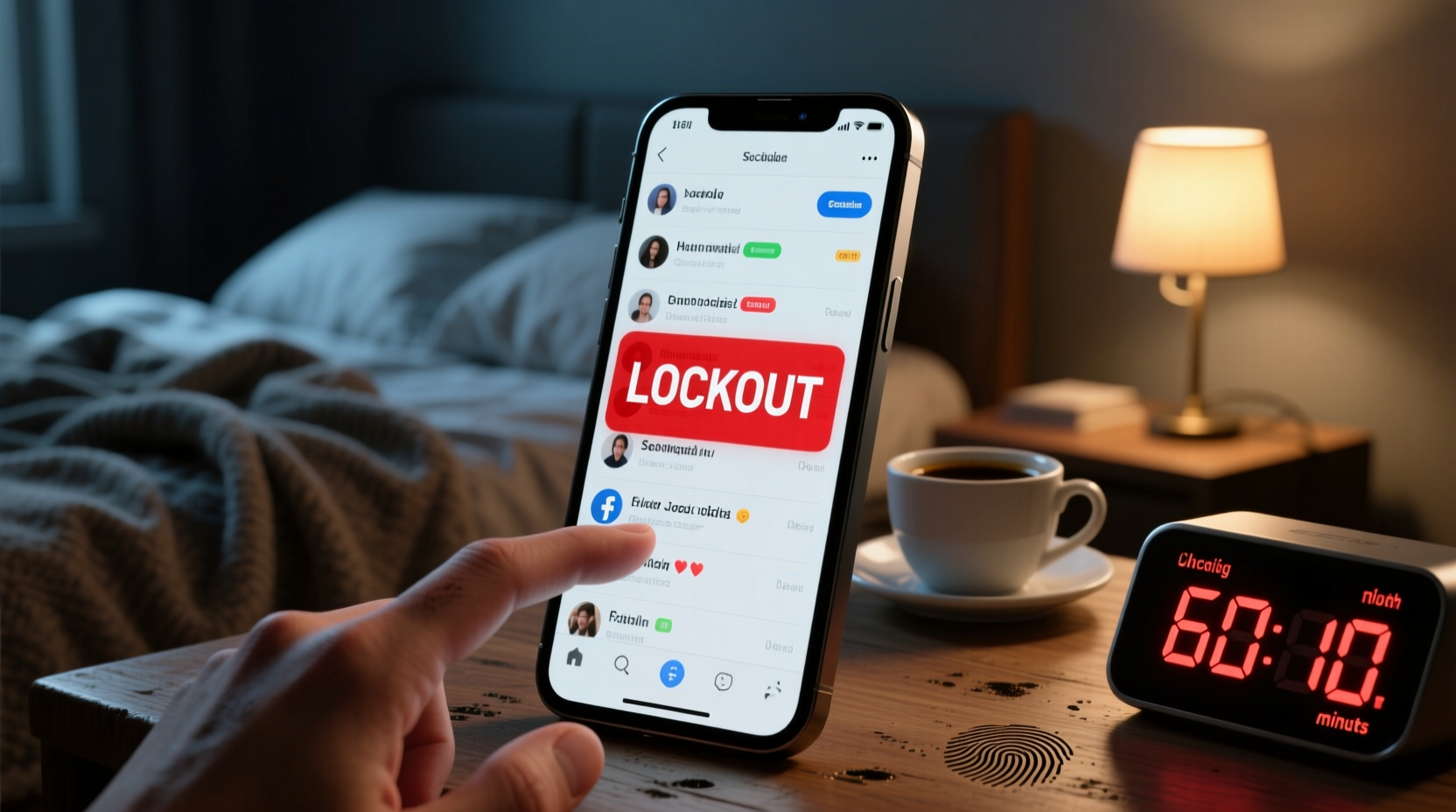
The Behavioral Reality of Chronic Scrolling
Chronic scrolling isn’t laziness—it’s a neurologically reinforced habit loop: cue (boredom, stress, notification), routine (instinctive app tap), reward (dopamine hit, even if fleeting). Willpower-based tools fail here because they assume self-regulation is intact. It isn’t—not when the brain has wired scrolling as the default response to discomfort.
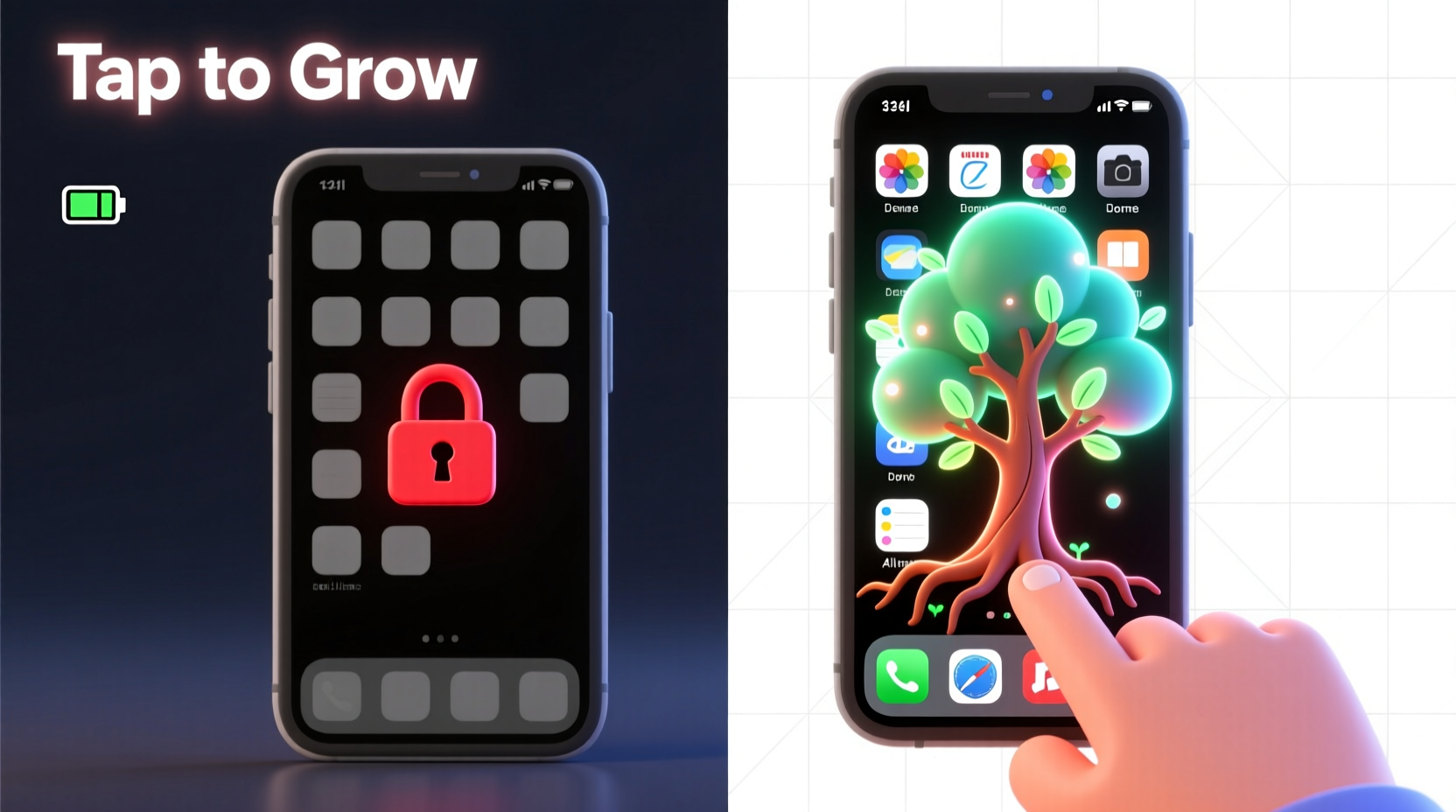
Lockout Timers vs Focus Timers: A Functional Breakdown
| Feature | Lockout Timers (e.g., Freedom, Cold Turkey) | Focus Timers (e.g., Forest, Focus To-Do) |
|---|---|---|
| Mechanism | Hard blocks: apps/sites become inaccessible during scheduled windows | Soft scaffolding: rewards attention with visual feedback or gamified points |
| Evidence Alignment | Matches stimulus control principles from CBT and habit reversal training | Relies on motivation maintenance—fragile under fatigue or emotional dysregulation |
| Relapse Risk | Low: no override without pre-set password or reboot delay | High: one tap disables timer; “just one more minute” becomes habitual |
| Best For | Users who scroll within 90 seconds of unlocking phone | Users already sustaining 45+ minute focused work blocks |
Why Lockout Timers Stick—And Why “Just Try Harder” Doesn’t
“The most effective behavior change interventions don’t ask people to resist temptation—they remove the temptation entirely. That’s stimulus control, not self-control.” — Dr. Judson Brewer, neuroscientist and author of The Craving Mind
This isn’t theoretical. A 2023 longitudinal study in Journal of Behavioral Addictions followed 217 adults with self-reported problematic social media use. Those assigned to structured lockout protocols (3x daily 45-min blocks) showed 68% greater reduction in compulsive checking at 12 weeks versus those using Pomodoro-style focus timers—even when both groups received identical psychoeducation.
⚠️ The widespread but misleading belief? That “building focus stamina” through timers trains lasting discipline. In reality, for chronic scroll addicts, focus timers often reinforce the very behavior they aim to curb: each “failure” to stay locked in becomes proof of personal inadequacy—not evidence of an under-designed environment. Friction, not fortitude, is the lever.
Actionable Integration Protocol
- 💡 Start with one anchor block: 7–8 a.m. and/or 9–10 p.m. No exceptions for “urgent” texts—set WhatsApp status to “Offline until 8am”
- 💡 Use device-level restrictions first (iOS Screen Time > App Limits with “Block at End of Time”), then add app-based lockouts as secondary reinforcement
- ✅ Replace the first post-lockout urge with a micro-substitution: keep a notepad beside your bed; write one unfiltered sentence when reaching for your phone at night
- ⚠️ Avoid “all-or-nothing” scheduling: three consistent 30-minute lockouts per day outperform one unstable 3-hour block
Everything You Need to Know
What if I need my phone for work—but keep getting derailed by Instagram?
Use app-specific lockouts, not device-wide ones. Block only dopamine-driven apps (TikTok, Reddit, YouTube Shorts) while allowing Slack, email, and calendar. Tools like Freedom let you create custom blocklists per schedule—no need to sacrifice utility for sanity.
Can I use lockout timers on my laptop too?
Yes—and you should. Cross-device enforcement is critical. Over 73% of chronic scroll addicts switch platforms mid-session (phone → laptop → tablet). Freedom and Cold Turkey offer synchronized desktop + mobile blocking with shared schedules and passwords.
Won’t I miss important messages or calls during lockout periods?
Modern OS settings allow priority exceptions: whitelist calls from starred contacts and SMS from verified numbers—even during full app lockdown. Your safety and core relationships remain intact; only ambient noise gets silenced.
How long before I stop feeling anxious when my phone is locked?
Typically 4–6 days. This aligns with neural recalibration windows for dopamine receptor sensitivity. The anxiety isn’t “you breaking down”—it’s your brain noticing the absence of its usual shortcut. Breathe. Wait 90 seconds. Then act—not react.




 浙公网安备
33010002000092号
 浙B2-20120091-4